8 Key Symptoms of a Pulled Muscle (Muscle Strain) You Should Recognize
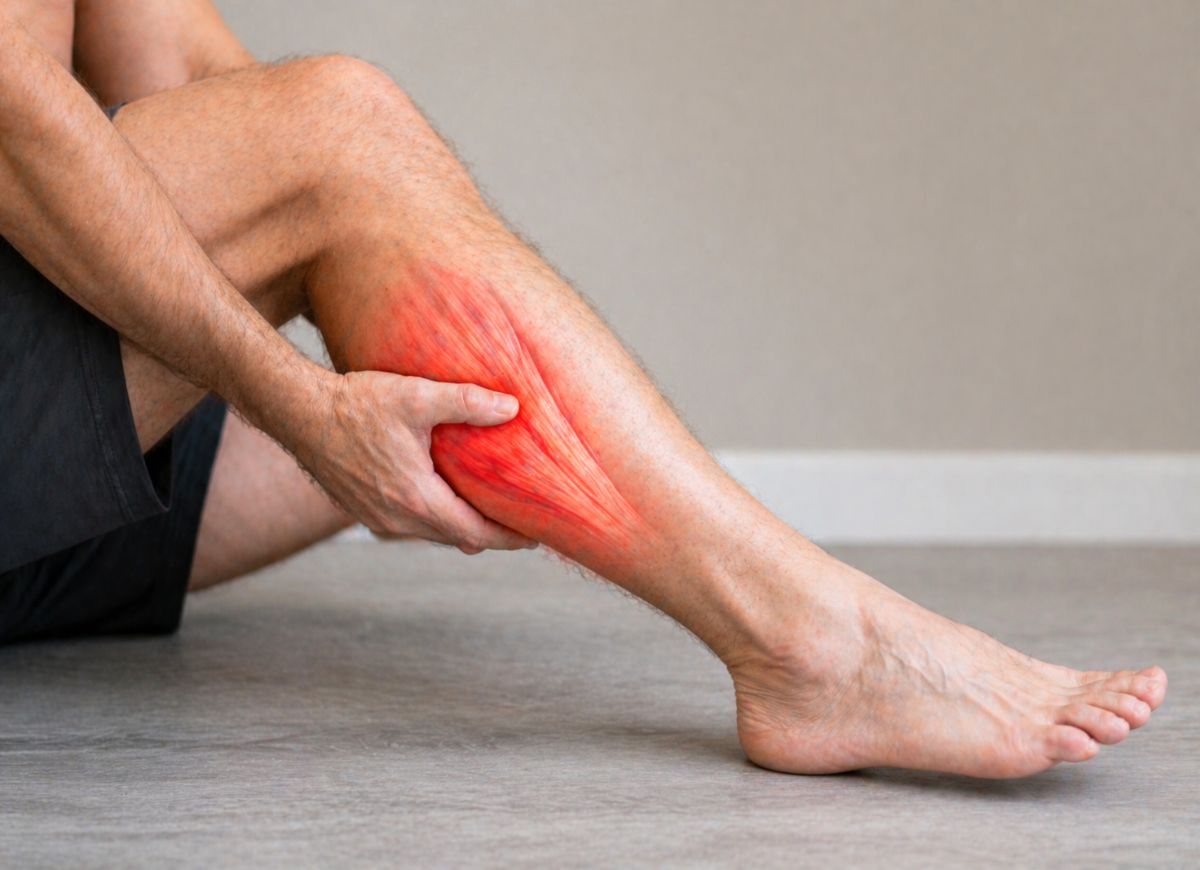
Have you ever felt a sudden, sharp pain while lifting something, stretching, exercising, or simply reaching in an awkward position? You may have strained or “pulled” a muscle.
A pulled muscle, medically called a muscle strain, occurs when muscle fibers are stretched beyond their normal limits or become torn. It can happen because of a sudden movement, repeated use, excessive force, or poor exercise technique. Although muscle strains are common, recognizing the symptoms early can help you respond appropriately and avoid making the injury worse.
Muscle strains can vary from minor irritation to a serious tear. They are often associated with sports and exercise, but everyday activities can also cause them when a muscle is placed under more stress than it can handle.
Knowing what a pulled muscle feels and looks like can help you take action sooner. Symptoms such as sudden pain, tenderness, swelling, weakness, and difficulty moving the affected area can provide important clues about the injury.
Whether you exercise regularly or only participate in physical activities from time to time, muscle strains can happen to almost anyone. Understanding the warning signs can help you protect the injured area, support recovery, and know when professional medical care may be necessary.
If you have recently developed muscle pain after an activity, here are eight important symptoms of a pulled muscle you should know.
What Is a Pulled Muscle (Muscle Strain)?
A pulled muscle, or muscle strain, is an injury involving a muscle or the tendon attached to it. It happens when muscle fibers are overstretched or torn because of excessive force, overuse, or sudden physical stress.
Muscle strains are generally divided into three grades according to how much damage has occurred. This classification can help healthcare professionals determine the seriousness of the injury and the appropriate treatment.
Grade 1 Muscle Strain
A Grade 1 strain is the mildest type. Only a small number of muscle fibers are overstretched or microscopically damaged.
People with a Grade 1 strain may notice mild pain, tenderness, or a slight pulling sensation, but muscle strength and movement are usually mostly preserved.
The discomfort may feel like a mild ache rather than severe pain. In some cases, symptoms do not appear immediately and may become more noticeable later, sometimes a day or two after the activity that caused the strain.
With appropriate care, a mild strain may recover within a few weeks.
Grade 2 Muscle Strain
A Grade 2 strain involves a partial tear of the muscle fibers and is more serious than a Grade 1 injury.
The injury may cause sudden and noticeable pain, along with tenderness, swelling, and bruising. Movement of the affected muscle can become difficult and painful, and there may be a clear reduction in strength.
For example, someone with a Grade 2 hamstring strain may find walking uncomfortable and running extremely difficult. Recovery generally takes longer and may require several weeks of rest and rehabilitation.
Grade 3 Muscle Strain
Grade 3 is the most severe type of muscle strain. It involves a complete tear or rupture of the muscle or its tendon.
This type of injury can cause immediate and intense pain. Some people may hear or feel a popping sensation when the injury occurs. Muscle function can be severely reduced or completely lost.
Significant swelling and bruising may develop, and in some cases, there may be a visible or palpable gap or indentation where the muscle has torn.
A complete rupture requires prompt medical assessment and may require surgical repair. Recovery can take several months, depending on the location and severity of the injury.
8 Primary Symptoms of a Pulled Muscle
1. Sudden Onset of Pain
One of the most recognizable signs of an acute muscle strain is sudden pain that appears during the activity that caused the injury.
The pain may occur immediately when a muscle is overstretched, overloaded, or torn. Unlike the general soreness that can develop after an intense workout, a strain usually produces pain in a specific area.
For example, a runner who strains a hamstring may suddenly feel a sharp pain in the back of the thigh and have to stop running.
The intensity of the pain can vary. A mild strain may feel like a quick sharp twinge followed by a dull ache. More serious strains can cause intense, persistent pain that makes it difficult or impossible to continue the activity.
The body’s inflammatory response can also increase discomfort after the injury. Chemical substances released around damaged tissue can make nearby nerve endings more sensitive.
If pain appears suddenly during movement and remains focused around one particular muscle, a strain may be responsible.
2. Soreness and Tenderness
Another common symptom is soreness or tenderness around the injured muscle.
The area may develop a deep, localized ache that becomes worse when you move, stretch, contract, or press on the muscle. Tenderness is particularly noticeable when touching the injured area.
For example, someone with a strained calf may feel significant discomfort when pressing on the affected muscle.
Muscle strain soreness is usually concentrated around the injured area, which makes it different from ordinary post-workout muscle soreness.
Delayed-onset muscle soreness, or DOMS, commonly affects a broader muscle group and tends to develop after exercise rather than at the exact moment of injury. A strain, on the other hand, may produce localized discomfort that becomes sharper when the injured muscle is used.
A strained lower-back muscle, for example, may cause a dull ache while sitting or resting that becomes sharper when bending, standing, or changing position.
This continuing soreness is partly related to inflammation and the body’s effort to repair the damaged tissue.
3. Swelling or Bruising
Swelling and bruising can also occur after a muscle strain, particularly when blood vessels are damaged along with the muscle fibers.
Swelling develops when fluid moves into the injured area as part of the body’s inflammatory response. The amount of swelling can vary depending on the severity of the injury.
A mild strain may cause little or no visible swelling, while a more serious tear can result in noticeable swelling.
Bruising occurs when blood leaks from damaged blood vessels into the surrounding tissue. The skin may initially appear red or purple before the bruise gradually changes color as the body breaks down and absorbs the blood.
The bruise does not always appear directly over the location of the tear. Blood can move through surrounding tissues, meaning discoloration may appear farther down the limb.
For example, a hamstring injury high on the back of the thigh may eventually produce bruising around the knee or calf.
Significant or rapidly developing swelling and bruising may indicate a more substantial injury and should not be ignored.
4. Limited Range of Motion
Difficulty moving the affected muscle or nearby joint is another common sign of a strain.
Pain, swelling, stiffness, and damaged muscle fibers can all make normal movement more difficult. Stretching or contracting the injured muscle may increase the pain, causing the body to naturally limit movement to protect the area.
For example, someone with a strained shoulder muscle may have difficulty raising an arm overhead or reaching behind the back.
Swelling can also contribute to restricted movement by creating pressure around the injured area.
In more significant Grade 2 or Grade 3 strains, damaged muscle fibers may not be able to contract normally. This can result in both reduced movement and noticeable weakness.
A person with a quadriceps strain, for example, may struggle to straighten the knee or climb stairs because the injured muscle cannot generate enough force without causing pain.
5. Muscle Spasm or Cramping
Muscle spasms can occur after a strain. A spasm is an involuntary contraction that can be sudden, painful, and difficult to control.
After muscle fibers are injured, the surrounding tissue may become irritated and inflamed. The nervous system can respond by causing the muscle to tighten or contract as a protective reaction.
A spasm may feel like a tight knot in the muscle or may appear as visible twitching beneath the skin. It can happen while resting or when attempting to move the affected muscle.
The resulting contraction can add another layer of pain to the original injury.
For example, a significant lower-back strain may lead to painful spasms that make it difficult to straighten the torso or move normally.
Muscle spasms caused by an acute injury differ from ordinary cramps associated with factors such as dehydration or electrolyte imbalance because they occur in connection with the injured area.
6. Muscle Weakness
Muscle weakness can occur when an injury damages enough muscle fibers to interfere with normal force production.
Healthy muscles rely on many individual fibers working together. When a significant number of those fibers are damaged, the muscle may no longer be able to produce the same amount of force.
This can make everyday activities unexpectedly difficult.
For example, someone with a strained biceps may struggle to lift something as light as a grocery bag or a cup.
Weakness can also result from pain. When movement causes significant discomfort, the nervous system may reduce muscle activation as a protective response. This means the weakness can come from both the physical injury and the body’s effort to prevent further damage.
With a Grade 3 rupture, muscle function can be completely lost because the muscle is no longer able to transmit force normally.
Sudden or substantial weakness after an injury is therefore an important symptom that should be taken seriously.
7. Popping Sensation
Hearing or feeling a pop when an injury occurs can be a warning sign of a significant muscle or tendon injury.
A popping sensation may occur when tissue suddenly tears under excessive force. Although a pop does not occur with every severe strain, experiencing one alongside sudden pain or loss of function warrants prompt medical evaluation.
Some people describe the sensation as similar to a rubber band snapping.
A pop can occur with serious injuries involving structures such as the hamstring or Achilles tendon. It may be followed by a feeling that the muscle has suddenly given way or that the affected limb can no longer be used normally.
If you experience a pop during physical activity, stop the activity rather than trying to push through the pain. Initial care may include rest, ice, compression, and elevation, while significant injuries should be assessed by a healthcare professional.
Additional testing, such as an MRI, may be needed when a serious muscle or tendon tear is suspected.
8. Dent or Gap in the Muscle
A visible or noticeable indentation, gap, lump, or unusual change in the shape of a muscle can indicate a severe tear.
With a complete muscle rupture, the two ends of the damaged muscle may pull away from one another. Because muscle tissue naturally contracts, the torn ends can retract and leave a gap at the injury site.
In some cases, part of the muscle may bunch up and create a noticeable lump.
A complete biceps tear, for example, can cause the muscle to retract toward the shoulder, producing the characteristic appearance sometimes called a “Popeye” muscle.
A visible deformity or gap is a serious warning sign and requires medical evaluation. A healthcare professional can examine the area and determine the extent of the injury.
Swelling and bruising may initially make the deformity difficult to see, but the change can become more noticeable as swelling decreases.
What Are the Common Causes of a Pulled Muscle?
Several factors can contribute to muscle strains. Some injuries occur suddenly, while others develop gradually from repeated stress.
Overuse or Repetitive Motion
Repeatedly using the same muscle without enough time for recovery can eventually lead to a strain.
Everyday movements and sports activities can produce small amounts of stress on muscle fibers. Normally, the body repairs this minor damage during periods of rest.
Problems can arise when the muscle is repeatedly stressed without enough recovery time. The damage can accumulate faster than the body can repair it.
For example, spending long periods typing with poor posture may contribute to discomfort and strain around the neck or shoulders. Repetitive sports movements can also place repeated stress on particular muscles.
Over time, repeated micro-injuries may cause persistent soreness, fatigue, and weakness. If the underlying activity continues without adequate recovery, the muscle may become more vulnerable to a larger injury.
Insufficient Warm-Up
Skipping a proper warm-up can increase the risk of straining a muscle during demanding physical activity.
A warm-up gradually increases blood flow and raises muscle temperature. This prepares the muscles and joints for more intense movements.
Going directly from rest into sprinting, jumping, heavy lifting, or another demanding activity places a sudden load on muscles that may not yet be prepared for it.
A useful warm-up can include several minutes of light aerobic movement followed by dynamic movements that resemble the activity you are about to perform. Examples include jogging, leg swings, arm circles, and other controlled movements.
Taking time to warm up helps prepare the body for physical stress and can reduce the risk of injury.
Poor Flexibility or Fatigue
Limited flexibility and muscle fatigue can also contribute to strains.
A muscle with restricted flexibility may have difficulty handling a sudden movement that takes it beyond its usual range. For example, tight hamstrings may be more vulnerable when someone suddenly lunges or reaches during a sport.
Regular flexibility work can help maintain a comfortable range of motion.
Fatigue is another important factor. As muscles become tired during prolonged or intense exercise, they may not contract as efficiently or absorb force as effectively. Coordination can also decline, which may affect movement technique.
This is one reason muscle strains can occur late in a workout, practice, or game. A movement that felt manageable earlier may become more difficult when the muscles are exhausted.
Combining fatigue with limited flexibility can make the body less prepared to handle sudden loads.
When Should You See a Doctor for a Pulled Muscle?
Not every muscle strain requires medical treatment, but certain symptoms should prompt professional evaluation.
You should consider seeing a healthcare professional if you experience severe pain, hear or feel a pop, develop significant swelling or deformity, cannot put weight on the affected limb, or fail to improve after several days of appropriate home care.
Are You Unable to Walk or Bear Weight?
If you cannot walk or place weight on an injured leg, ankle, or foot, seek medical attention promptly.
An inability to bear weight may indicate a more serious muscle, tendon, ligament, or bone injury rather than a minor strain.
A severe quadriceps or calf injury, for example, may make it extremely difficult to stand or walk normally.
Other injuries, including tendon ruptures, ligament tears, and fractures, can also cause an inability to bear weight. Because these conditions can require different treatments, an accurate diagnosis is important.
Trying to “walk it off” can potentially make the injury worse.
A healthcare professional may perform a physical examination and, when necessary, use imaging such as an X-ray or MRI to determine what has been injured. Treatment can vary and may involve a brace, crutches, physical therapy, or surgery depending on the diagnosis.
Do You Hear a Popping Sound at the Time of Injury?
A popping or snapping sensation at the moment of injury deserves prompt attention.
A pop can occur when a muscle or tendon tears under significant force. It may be associated with injuries involving the hamstring, chest muscles, or Achilles tendon.
If the pop is followed by severe pain, weakness, or difficulty using the affected body part, professional evaluation becomes particularly important.
A complete rupture may require specific treatment, and some tendon or muscle injuries may need surgical repair.
A doctor can examine the affected area and may recommend ultrasound or MRI imaging to determine the extent of the damage.
Is There Significant Swelling, Pain, or an Obvious Deformity?
Severe pain, substantial swelling, or an obvious change in the shape of the muscle are reasons to seek medical care.
Rapid swelling can occur when blood vessels are damaged along with muscle tissue. Severe pain that does not settle may also indicate a more serious injury or another condition.
An obvious lump, bulge, indentation, or gap can be especially concerning because it may indicate that the muscle has torn and retracted.
For example, a biceps tear can sometimes create a noticeable bulge in the upper arm.
These injuries need professional assessment to determine the extent of the damage and whether additional treatment is required.
Delaying evaluation of a serious tear can contribute to prolonged weakness, reduced function, or other complications.
Do Symptoms Not Improve After a Few Days of Home Care?
Minor strains should generally begin showing some improvement with appropriate care.
If pain, swelling, tenderness, or restricted movement remains unchanged or becomes worse after a few days, it is worth consulting a healthcare professional.
The R.I.C.E. approach—Rest, Ice, Compression, and Elevation—has traditionally been used for managing many minor muscle injuries.
For a mild strain, some improvement in pain and swelling may occur during the first several days.
If symptoms remain severe, swelling continues, or normal movement does not begin returning, the injury may be more significant than initially thought.
A healthcare professional can assess the injury and determine whether additional treatment or rehabilitation is needed.
Depending on the problem, treatment may involve physical therapy, mobility guidance, medication, or temporary use of crutches or another support.
The Different Grades of a Muscle Strain
Muscle strains are commonly grouped into three grades according to the amount of tissue damage.
Grade 1
Grade 1 is the mildest form. It involves overstretching or very small tears in a limited number of muscle fibers.
Typical symptoms include mild pain, tenderness, tightness, and discomfort with certain movements. Muscle strength and range of motion are generally preserved.
Recovery is usually relatively quick with appropriate rest and care.
Grade 2
Grade 2 strains involve a partial tear and produce more noticeable symptoms.
Pain may be sudden and stronger, while swelling and bruising can develop around the injured area. Muscle strength may decrease, and normal movement can become painful.
Recovery takes longer than with a Grade 1 injury and may require a structured rehabilitation program.
Grade 3
Grade 3 strains involve a complete tear or rupture of the muscle or tendon.
Symptoms can include severe pain, extensive swelling, bruising, major weakness, and complete loss of muscle function. A pop may occur when the injury happens, and a visible gap or lump may develop.
A Grade 3 injury requires prompt medical attention. Depending on the location and severity of the rupture, surgery may be necessary.
Recovery can take several months and usually requires comprehensive rehabilitation.
Pulled Muscle Diagnosis
Diagnosing a pulled muscle usually begins with a medical history and physical examination.
A healthcare professional may ask how the injury happened, what activity you were doing, when the pain began, and exactly where you feel it.
They may also ask whether you heard or felt a pop, which movements make the pain worse, and whether you have noticed swelling, bruising, weakness, or difficulty moving.
During the physical examination, the injured area may be gently pressed to identify tenderness and check for swelling, gaps, or other changes in the muscle.
The healthcare professional may also evaluate your range of motion and muscle strength. Comparing the injured side with the unaffected side can help identify functional differences.
If a significant tear is suspected or the diagnosis is unclear, imaging may be recommended.
A musculoskeletal ultrasound can provide real-time images of muscles and tendons and may help identify tears or fluid collections.
An MRI provides more detailed images of muscles, tendons, ligaments, and surrounding structures. It can be particularly useful for determining the extent of a serious tear and helping plan treatment.
The Difference Between a Muscle Strain and a Sprain
Although the words “strain” and “sprain” are sometimes used interchangeably, they describe different types of injuries.
A strain affects a muscle or the tendon connecting a muscle to a bone. It can occur when the tissue is overstretched or torn because of sudden force, overuse, or excessive contraction.
Common areas affected by muscle strains include the hamstrings, lower back, calves, and shoulders.
A sprain, on the other hand, affects a ligament. Ligaments are strong bands of tissue that connect one bone to another and help stabilize joints.
Sprains commonly happen when a joint twists, bends, or moves beyond its normal range. The ankle, knee, and wrist are common locations.
Both strains and sprains can cause pain, swelling, and bruising. However, muscle strains may be more closely associated with muscle weakness, spasms, or pain during contraction, while sprains may produce joint instability.
How to Prevent Future Muscle Strains
Reducing the risk of future muscle strains involves preparing your body properly, using good technique, and giving your muscles enough time to recover.
Warm Up Before Exercise
A proper warm-up should be part of your routine before demanding physical activity.
Dynamic movements such as leg swings, arm circles, torso rotations, and light aerobic activity can gradually increase blood flow and prepare your muscles for exercise.
Rather than beginning immediately with heavy lifting or high-intensity movements, give your body time to transition from rest to activity.
Maintain Flexibility and Strength
Maintaining flexibility can help your muscles move through an appropriate range of motion.
Stretching during a cool-down can help support flexibility. Strength training is also important because stronger muscles can better support joints and handle physical demands.
Try to develop balanced strength rather than focusing exclusively on one muscle group. For example, strengthening both the hamstrings and quadriceps can help support balance around the knee.
Avoid Overexertion
Pay attention to signs of fatigue and discomfort.
Continuing to exercise through significant pain or exhaustion can increase the chance of injury. Instead of making sudden increases in workout intensity, duration, or frequency, increase your workload gradually.
This approach, often called progressive overload, allows the body more time to adapt.
Other helpful habits include staying hydrated, maintaining adequate nutrition, using proper exercise technique, and using safe lifting mechanics during everyday activities.
Maintaining a healthy weight can also reduce unnecessary stress on muscles and joints.
FAQs
1. How Long Does a Pulled Muscle Need to Heal?
Recovery time depends on the severity of the strain.
A mild strain may improve within several days to a week, while a moderate injury can take a few weeks. More severe tears may require a month or longer and may involve rehabilitation.
Avoid rushing back into activity before the muscle has adequately recovered. If pain continues for several weeks or does not gradually improve, consult a healthcare professional.
2. What Does a Pulled Muscle Feel Like?
A pulled muscle can cause sudden, localized pain that may feel sharp, aching, or pulling.
The discomfort often becomes worse when you move, stretch, or contract the affected muscle. Other symptoms can include stiffness, tenderness, weakness, swelling, and bruising.
The severity of the symptoms depends on how much the muscle has been damaged.
3. What Not to Do With a Pulled Muscle?
Avoid activities that place additional stress on the injured muscle.
Do not continue strenuous exercise if it increases the pain. Aggressive massage should also be avoided during the early stage because it may further irritate the injured tissue.
The original article recommends avoiding heat during the first 48 hours because it may increase swelling.
Most importantly, do not ignore worsening pain or other warning signs. Give the muscle time to recover and seek professional advice when necessary.
4. How Can You Tell if a Muscle Is Torn or Pulled?
A mild pulled muscle generally involves overstretching or minor damage to muscle fibers and may cause pain, stiffness, and tenderness.
A more serious tear can involve partial or complete rupture of the muscle fibers.
Severe pain, substantial swelling or bruising, major weakness, inability to move the muscle, or an obvious gap or deformity may indicate a more serious tear.
Because symptoms can overlap with other injuries, a healthcare professional can provide the most accurate diagnosis.
5. Should You Massage a Pulled Muscle?
Gentle massage may sometimes help with discomfort, but deep or aggressive massage should be avoided during the early stages of an injury.
During the initial period, the focus should be on protecting the injured area and controlling swelling.
After the acute stage has passed, light massage or heat may be used to support relaxation and circulation when appropriate.
If you are uncertain whether massage is suitable for your injury, ask a healthcare professional.
6. What Drink Will Help Heal Muscles?
Staying hydrated is important during muscle recovery. Drinking enough water helps maintain normal muscle function and supports overall recovery.
The original article also discusses drinks such as tart cherry juice, electrolyte-containing sports drinks, and protein-rich beverages as possible options that may support recovery.
Protein provides nutrients needed for tissue repair, while fluids and electrolytes can help replace what is lost during exercise.
However, no single drink can instantly heal a muscle strain. Proper rest, nutrition, hydration, and appropriate rehabilitation all play a role in recovery.
7. Is It Better to Rest or Move a Pulled Muscle?
Rest is particularly important during the early stage of an injury because continuing to stress the muscle may cause additional damage.
However, complete inactivity for too long can contribute to stiffness and reduced mobility.
As the acute pain begins to settle, gentle movement within a comfortable range may help restore mobility and flexibility.
The goal is to gradually return to movement without pushing through significant pain. Increasing activity too quickly can delay recovery.
Conclusion
A pulled muscle can happen during exercise, heavy lifting, sports, or even an ordinary movement. Recognizing the symptoms early can help you protect the injured area and take appropriate steps toward recovery.
Sudden pain, localized soreness, swelling, bruising, restricted movement, spasms, weakness, popping sensations, and visible changes in the muscle can all provide clues about a possible strain.
Milder injuries may improve with rest and appropriate home care, while more serious tears may require professional assessment and rehabilitation.
Pay attention to how your symptoms develop. If pain becomes severe, swelling is significant, you cannot bear weight, you notice a deformity or hear a pop, or the injury fails to improve, seek medical advice.
Taking the injury seriously from the beginning can help reduce the risk of further damage and support a safer return to your normal activities.