
Malaria Symptoms: 6+ Early Signs You Should Know
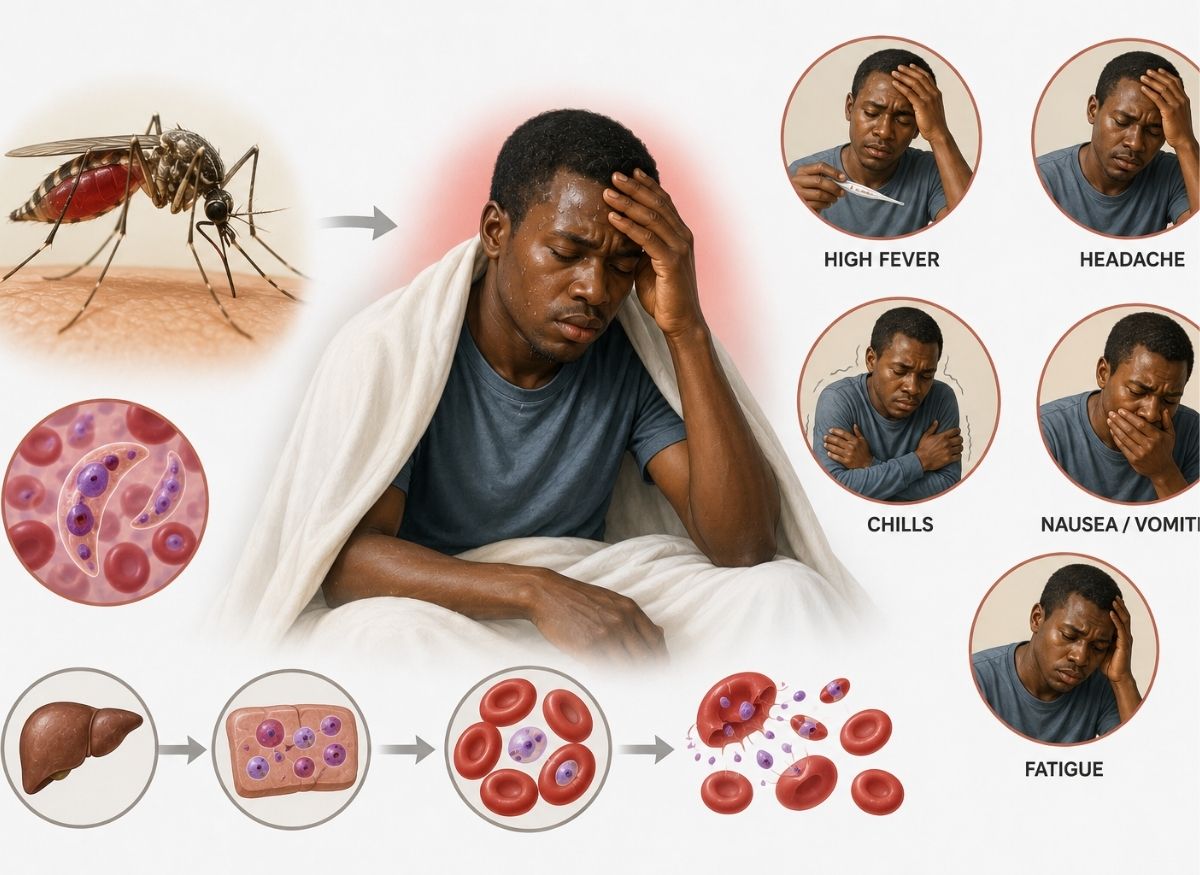
Malaria is a serious illness transmitted by mosquitoes and caused by parasites belonging to the Plasmodium group. These parasites infect red blood cells and can eventually affect several organs. The disease is especially common in tropical and subtropical areas and continues to be an important global health concern. Recognizing malaria early is extremely important because timely treatment can reduce the risk of serious complications, including severe anemia, organ failure, and cerebral malaria.
Malaria spreads mainly through the bite of an infected female Anopheles mosquito. Depending on the parasite involved, symptoms may develop anywhere from about 7 to 30 days after infection. The earliest symptoms can look similar to the flu or other common infections, which can make malaria difficult to recognize at first. Knowing the warning signs can help people seek medical attention and receive appropriate testing without unnecessary delay.
In this article, we’ll discuss six or more early symptoms of malaria, important warning signs of severe disease, how malaria is diagnosed, and what to know about symptoms returning after treatment.
What Is Malaria?
Malaria is an infectious disease caused by Plasmodium parasites that enter and multiply inside the human body. The infection is mainly spread through the bite of an infected female Anopheles mosquito. After entering the bloodstream, the parasites initially travel to the liver, where they multiply before moving into red blood cells. Their activity in the blood can produce recurring episodes of fever, chills, sweating, and other symptoms.
Several Plasmodium species can infect humans, including Plasmodium falciparum, P. vivax, P. ovale, and P. malariae. These species can produce different patterns of illness and vary in severity. If malaria is not treated, it can lead to complications such as severe anemia, organ damage, cerebral malaria, and, in serious cases, death.
Prevention is especially important in areas where malaria is common. Measures such as mosquito control, insect repellents, insecticide-treated bed nets, and recommended preventive medicines for travelers can reduce the chance of infection. Early testing and appropriate treatment are also essential for controlling the disease and preventing serious complications.
Key Malaria Symptoms Beyond Just a Fever
Fever is one of the best-known symptoms of malaria, but concentrating only on temperature can sometimes delay diagnosis. Malaria can produce a combination of flu-like symptoms and, in some cases, a distinctive cycle of chills, high fever, and heavy sweating known as a malarial paroxysm.
These symptoms are linked to the parasite’s life cycle. As Plasmodium parasites multiply and infect red blood cells, infected cells eventually rupture, releasing new parasites and other substances that trigger a strong immune response.
The Deceptive Prodromal Phase (Early Symptoms)
Before the more recognizable episodes of chills and fever develop, malaria can begin with vague symptoms that resemble many other illnesses. These early symptoms may look like influenza, a common viral infection, or even food poisoning.
- Throbbing Ocular Headaches: A severe or persistent headache can occur during the early stages of malaria. Some people may experience pressure or pain around the eyes along with the headache.
- Profound, Heavy Fatigue: Malaria can cause sudden and overwhelming tiredness that feels much more intense than ordinary fatigue. The body is using substantial energy to respond to the infection.
- Deep Myalgia and Arthralgia: Muscle soreness and joint pain may make the body feel bruised or extremely exhausted.
- Gastrointestinal Disturbances: Nausea, reduced appetite, vomiting, and sometimes diarrhea can occur, particularly in children. These symptoms may initially be mistaken for a stomach infection.
Anatomy of a Classic Malaria Attack (The Paroxysm)
As malaria parasites mature, their life cycles can become synchronized. When large numbers of infected red blood cells rupture, the immune system responds with a powerful reaction called a malarial paroxysm.
A classic malaria attack can develop through three main stages and may last several hours.
Stage 1: The Cold Stage (Intense Shivering)
The episode may begin suddenly with an intense sensation of cold. A person may experience uncontrollable shaking, chattering teeth, and goosebumps even when the surrounding environment is warm.
The skin can become pale as blood vessels constrict. Although the person feels extremely cold, the body’s internal temperature may already be increasing. This stage can last from roughly 15 to 60 minutes.
Stage 2: The Hot Stage (The Spike)
After the shaking subsides, body temperature may rise rapidly. The skin can become flushed, very hot, and dry. A person may experience a severe headache, a rapid heartbeat, intense thirst, and confusion.
High temperatures can be particularly dangerous in young children because rapid fever spikes may contribute to febrile seizures. This hot stage can last for several hours.
Stage 3: The Sweating Stage (The Break)
The fever eventually begins to break, leading to heavy sweating. A person may sweat enough to soak their clothing or bedding as the body temperature falls.
Although the reduction in fever can provide significant relief, the physical strain of the attack can leave someone extremely weak and exhausted. Many people may fall into a deep sleep afterward.
The Species Clock: The timing of these episodes can vary according to the Plasmodium species involved. P. vivax and P. ovale can produce attacks approximately every 48 hours, while P. malariae may produce episodes around every 72 hours. P. falciparum can cause a less predictable and more persistent fever pattern because parasite cycles may overlap.
Can You Have Malaria Without a Fever?
Yes. Although fever is a common feature of malaria, it is possible for certain people or situations to produce an illness without an obvious high fever. Recognizing these exceptions can help prevent a missed diagnosis.
Partial Population Immunity: In regions where malaria is widespread, people may develop partial immunity after repeated exposure. Their immune systems may keep parasite levels lower, which can result in less obvious symptoms. Some individuals may experience persistent tiredness, headaches, or mild body aches rather than a dramatic fever.
The Incipient Window (Early Infection): Early in the blood stage of infection, the number of parasites may still be relatively low. The immune system may not yet produce the classic fever cycle. A person may therefore feel unwell with headache or body aches before a noticeable fever develops.
Symptom Masking via Medications: Fever-reducing medicines such as acetaminophen/paracetamol or ibuprofen can lower body temperature and make a fever less obvious. In addition, incomplete or inappropriate use of antimalarial medicines may temporarily reduce symptoms without completely eliminating the infection.
The Golden Rule of Tropical Travel
Because malaria can sometimes begin with vague symptoms rather than an obvious fever, recent travel history is extremely important.
Anyone who develops unexplained flu-like symptoms, persistent headaches, gastrointestinal problems, or other concerning symptoms after visiting a malaria-endemic area should inform a healthcare professional about the travel history and receive appropriate malaria testing. Malaria can remain relevant even when a high fever is not present.
Severe Malaria Symptoms That Signal a Medical Emergency
Malaria can sometimes progress from an uncomplicated infection to severe disease involving multiple organs. Plasmodium falciparum is particularly associated with severe malaria and can cause rapid deterioration.
Severe malaria requires urgent medical treatment. Without prompt hospital care and appropriate antimalarial therapy, serious complications can develop quickly and may become life-threatening.
The Critical Emergency Signs of Severe Malaria
The World Health Organization (WHO) recognizes several clinical features that can indicate severe malaria. These warning signs reflect serious problems affecting the brain, blood, lungs, kidneys, and circulation.
Neurological Complications (Cerebral Malaria)
Cerebral malaria is one of the most dangerous forms of malaria and involves serious effects on the brain. Warning signs include:
- Impaired Consciousness: A person may become severely confused, unusually sleepy, disoriented, or eventually unresponsive.
- Repetitive Seizures: Multiple or prolonged seizures can occur and require emergency medical attention.
- Physical Prostration: Severe weakness may make the person unable to sit, stand, or walk without assistance.
Hematological and Hepatic Breakdown
Malaria can cause extensive destruction of red blood cells, potentially leading to severe complications.
- Severe Hemolytic Anemia: Large-scale destruction of red blood cells can reduce the body’s ability to carry oxygen. Severe paleness may be noticeable in the skin, gums, nail beds, and inside the eyelids.
- Clinical Jaundice: Breakdown of red blood cells can increase bilirubin levels, producing yellow discoloration of the skin and whites of the eyes.
Pulmonary and Renal Failure
Acute Respiratory Distress Syndrome (ARDS): Severe malaria can affect the lungs and lead to fluid accumulation and significant breathing difficulties. Affected individuals may breathe rapidly or struggle to get enough air.
- Acute Kidney Injury (“Blackwater Fever”): Severe destruction of red blood cells can release hemoglobin into the bloodstream, placing significant stress on the kidneys. Urine may become very dark, reddish, or cola-colored, and urine production may decrease.
- Circulatory Collapse (Algid Malaria): Severe illness can cause shock, characterized by low blood pressure, a rapid weak pulse, and cold, clammy skin.
Pathophysiology: Why Does Malaria Turn Deadly?
The progression from uncomplicated malaria to severe disease is closely related to the behavior of Plasmodium falciparum inside red blood cells.
Unlike some other malaria species, P. falciparum can infect red blood cells of different ages. This allows parasite numbers to increase rapidly.
As infected red blood cells mature, they develop surface proteins that cause them to stick to the lining of small blood vessels and sometimes to other infected cells. This process is known as cytoadherence, while the trapping of infected cells within small blood vessels is called sequestration.
When these infected cells accumulate in tiny blood vessels, blood flow to important organs can become disrupted. This can interfere with oxygen delivery to organs such as the brain, kidneys, and lungs and contribute to severe malaria complications.
Risk Factors: Delay and Host Vulnerability
The severity of P. falciparum infection can be influenced by how quickly treatment begins and how much previous immunity a person has developed.
The Peril of Treatment Delay
In people without previous immunity, falciparum malaria can progress rapidly if diagnosis and treatment are delayed.
Failing to obtain timely testing or delaying effective antimalarial treatment can allow parasite levels to increase. Incorrect medicines, counterfeit drugs, expired treatments, or failure to complete a prescribed course can also allow surviving parasites to continue multiplying.
High-Vulnerability Populations
Severe malaria can affect anyone, but certain groups face a greater risk of serious complications.
Children Under Age Five: Young children living in areas with high malaria transmission may not yet have developed sufficient partial immunity. They are particularly vulnerable to severe anemia and cerebral malaria.
Pregnant Women: Pregnancy changes the immune system and can increase susceptibility to malaria complications. Malaria during pregnancy can contribute to maternal anemia and placental infection, with possible consequences for pregnancy and fetal growth.
Non-Immune Travelers and Migrants: People traveling from areas where malaria is uncommon may have little or no previous immunity. As a result, infection with P. falciparum can potentially progress rapidly and become severe.
Key Distinctions and Diagnostic Considerations for Malaria
When someone develops an acute illness after living in or traveling through a tropical or subtropical region, malaria must be considered alongside other possible infections. Early malaria symptoms can resemble several other tropical diseases, making laboratory testing especially important.
Healthcare professionals consider travel history, symptoms, risk factors, and laboratory results to distinguish malaria from other infections and identify people who may be developing severe disease.
Demographic Divergence: Symptoms in Vulnerable Populations
The classic pattern of chills, fever, and sweating does not occur in exactly the same way in everyone. Young children and pregnant women may develop less typical symptoms and can become seriously ill more quickly.
Pediatric Presentations (Children and Infants)
Infants and young children may not show the classic pattern of malaria symptoms. Instead, the illness may resemble other serious childhood infections.
- Systemic Irritability and Lethargy: A child may become unusually sleepy, weak, difficult to wake, or extremely irritable.
- Gastrointestinal Distress: Vomiting, refusing food, and diarrhea can occur and may contribute to rapid dehydration.
- Respiratory Distress: Severe malaria can produce rapid or difficult breathing, sometimes related to metabolic changes associated with severe infection.
- Febrile Convulsions: Rapidly increasing body temperature can trigger seizures in some children and may be an important warning sign requiring urgent evaluation.
Maternal Complications (Pregnancy and Placental Malaria)
Pregnancy changes immune function and can make malaria more dangerous for both the mother and developing fetus.
Severe Maternal Anemia: Malaria can destroy red blood cells, and pregnant individuals may be particularly vulnerable to significant anemia.
Profound Hypoglycemia: Severe malaria can sometimes cause dangerously low blood sugar, particularly in pregnancy and in people receiving certain antimalarial treatments.
Placental Sequestration: P. falciparum can accumulate in the placenta, interfering with the normal exchange of oxygen and nutrients. Placental malaria can contribute to poor fetal growth, premature birth, miscarriage, or stillbirth.
Confirming the Infection: The Diagnostic Pathway
When malaria is suspected, healthcare professionals generally rely on laboratory testing to confirm the infection.
                      [THE CLINICAL DIAGNOSTIC TRIAGE]
                                     │
         ┌───────────────────────────┼───────────────────────────┐
         ▼                           ▼                           ▼
 [MICROSCOPIC BLOOD SMEARS]     [RAPID DIAGNOSTIC TESTS]     [MOLECULAR PCR TESTING]
 • Detects malaria parasites.   • Provides rapid results.     • Detects parasite DNA.
 • Thick smear: detects         • Uses parasite proteins.     • Highly sensitive.
   parasites.                   • Useful where microscopy    • Helpful for complex or
 • Thin smear: helps identify     is unavailable.              low-level infections.
   species and density.
Blood Smear Microscopy (The Gold Standard)
Microscopic examination of a blood sample is a traditional and important method for confirming malaria. A small blood sample is placed on slides, stained, and examined under a microscope.
The Thick Smear: This preparation concentrates a larger amount of blood, making it useful for detecting whether malaria parasites are present.
The Thin Smear: This spreads blood cells into a thin layer, allowing the laboratory specialist to examine parasite appearance, identify the Plasmodium species, and estimate parasite density.
Determining the species can be important because treatment differs depending on the parasite involved. For example, P. vivax and P. ovale can require additional treatment to address dormant liver stages.
Rapid Diagnostic Tests (RDTs)
Rapid diagnostic tests are particularly useful in locations where trained microscopy staff or laboratory equipment may not be readily available. These tests use a small blood sample and detect specific proteins associated with malaria parasites.
The Mechanism: A blood sample is placed on the test device along with a buffer. As the sample moves across the test strip, antibodies detect parasite proteins such as Histidine-Rich Protein 2 (HRP2) or parasite Lactate Dehydrogenase (pLDH).
The Limitations: RDTs can provide results quickly and are useful for identifying malaria when microscopy is unavailable. However, they generally do not provide the same detailed information about parasite density as microscopy. Some antigens may also remain detectable after treatment, which can affect interpretation in certain situations.
Polymerase Chain Reaction (PCR)
PCR is a molecular method that detects and amplifies parasite DNA. It is highly sensitive and can be useful when parasite levels are low or when a detailed laboratory investigation is required.
Although PCR is not generally the first-line method for rapid diagnosis in remote clinical settings because of its cost and availability, it can be valuable for research, complicated cases, and identifying specific parasite characteristics.
Differential Diagnosis: Malaria vs. Dengue Fever
Malaria and dengue fever can occur in the same tropical and subtropical regions and may initially produce similar symptoms, including fever, headache, and body aches. Because treatment differs, distinguishing between them is important.
| Clinical Feature | Malaria Infection | Dengue Fever |
|---|---|---|
| Primary Vector | Anopheles mosquito, generally active from dusk to dawn | Aedes mosquito, which can bite during the daytime |
| Fever Architecture | May occur in recurring episodes of chills, fever, and sweating, depending on the species | Often produces a continuous high fever lasting several days and may sometimes follow a biphasic pattern |
| Pain Profile | Generalized body aches and headaches | Often causes pronounced muscle and joint pain and pain behind the eyes |
| Cutaneous Signs | Rash is less typical | A widespread rash can occur |
| Hematological Clues | May cause destruction of red blood cells and anemia | Can cause a substantial reduction in platelets |
| Physical Exam Markers | An enlarged spleen may occur | Bleeding manifestations such as petechiae, nosebleeds, or bleeding gums may occur |
Navigating a Suspected Case
Anyone who develops an unexplained illness after returning from a tropical or malaria-endemic location should tell their healthcare provider about their travel history. Malaria and dengue may need to be considered at the same time.
Until the cause of the illness is established, healthcare professionals may advise avoiding aspirin or ibuprofen when dengue is a possibility because these medicines can increase bleeding risk.
Acetaminophen (paracetamol) is commonly used for fever and pain when appropriate, but individuals should follow professional medical guidance and seek testing rather than relying only on symptom relief.
Can malaria symptoms return after treatment?
Malaria symptoms can sometimes return after treatment. A recurrence may happen weeks, months, or even longer after the original infection, depending on the parasite species and whether the original infection was fully eliminated.
A second episode does not necessarily mean that a person was bitten by another infected mosquito. Two different mechanisms can explain recurring malaria: relapse and recrudescence.
True Relapse: The Dormant Liver Stage
True relapse is associated particularly with Plasmodium vivax and Plasmodium ovale.
The Hypnozoite Stronghold: After these parasites enter the body, some travel to the liver and develop into dormant forms called hypnozoites. These forms can remain inactive inside liver cells while the blood-stage infection is treated.
The Reactivation Wave: At a later point, dormant parasites can become active again. They multiply in the liver and release new parasites into the bloodstream, potentially causing another episode of malaria symptoms.
Achieving a “Radical Cure”
Because standard treatment may eliminate active blood-stage parasites without clearing dormant liver forms, P. vivax and P. ovale infections may require a two-part treatment approach known as a radical cure:
- Blood Cleansing: A suitable antimalarial medication is used to eliminate the active parasites in the bloodstream.
- Liver Eradication: An additional medicine may be prescribed to eliminate dormant parasites from the liver when appropriate.
Recrudescence: The Surviving Blood Parasites
Recrudescence is different from relapse because it involves malaria parasites that remain in the bloodstream after treatment rather than dormant parasites in the liver. It can occur with different malaria species, including Plasmodium falciparum.
                         [CAUSES OF RECRUDESCENCE]
                                     │
         ┌───────────────────────────┴───────────────────────────┐
         ▼                                                       ▼
 [INCOMPLETE COMPLIANCE]                                 [ANTIMALARIAL DRUG RESISTANCE]
 • Missing doses or stopping early.                      • Parasites may survive treatment.
 • Medication levels become insufficient.                • Some medicines may become less effective.
 • A small number of parasites remain.                   • Surviving parasites can multiply again.
If some parasites survive treatment, they may gradually multiply until their numbers are high enough to cause symptoms again. Fever, chills, fatigue, and other malaria symptoms can then return.
Conclusion
Recognizing the early symptoms of malaria is important because timely diagnosis and treatment can help prevent the infection from progressing to severe disease. Fever, chills, headaches, fatigue, nausea, vomiting, sweating, and muscle aches should be taken seriously, particularly in people who live in or have recently traveled to areas where malaria occurs.
Preventive measures can significantly reduce exposure to infected mosquitoes. These include using insect repellent, wearing protective clothing, sleeping under insecticide-treated bed nets, taking recommended preventive medicines when traveling, and reducing mosquito breeding areas where possible.
Awareness of symptoms, prompt testing, appropriate treatment, and effective mosquito protection all play important roles in reducing the health impact of malaria and protecting people living in or traveling to high-risk areas.
FAQ
What is malaria and how is it transmitted?
Malaria is an infectious disease caused by Plasmodium parasites. It is mainly transmitted when an infected female Anopheles mosquito bites a person and introduces the parasite into the bloodstream.
The parasites eventually infect red blood cells and multiply, producing symptoms such as fever, chills, headaches, and fatigue. In uncommon situations, malaria can also be transmitted through contaminated blood, organ transplantation, or from mother to baby during pregnancy.
What are the early signs of malaria?
Early malaria symptoms can resemble the flu or other infections. Common signs include fever, chills, headaches, fatigue, muscle aches, nausea, vomiting, and sweating.
Some people may also experience abdominal discomfort, diarrhea, or reduced appetite. Symptoms can appear within days or several weeks after infection depending on the Plasmodium species. Anyone with compatible symptoms and recent exposure in a malaria-risk area should seek appropriate medical evaluation.
How is malaria diagnosed?
Malaria is diagnosed using blood tests that look for Plasmodium parasites or parasite-related proteins. Common methods include microscopic blood smears and rapid diagnostic tests. PCR may also be used in selected circumstances.
Healthcare providers also consider symptoms, travel history, residence, mosquito exposure, and other risk factors. Prompt testing is important because malaria can progress quickly in some people.
How is malaria treated?
Treatment depends on the Plasmodium species, the severity of the infection, the location where the infection was acquired, and local drug-resistance patterns.
Antimalarial medicines are used to eliminate the parasites. Supportive care may also include fluids, fever management, and monitoring for complications. Severe malaria can require hospitalization and intravenous antimalarial treatment.
Can malaria be prevented?
Yes. Several measures can reduce the risk of malaria. These include using insect repellent, wearing long sleeves and long trousers, sleeping under insecticide-treated bed nets, and limiting exposure to mosquitoes when they are most active.
People traveling to malaria-endemic regions may also be advised to take preventive antimalarial medication. Public health measures and vaccination programs in some regions can provide additional protection.
Who is most at risk for malaria?
People living in or traveling to tropical and subtropical areas where malaria is transmitted have the greatest exposure risk. Regions of sub-Saharan Africa, South Asia, and parts of South America are among the areas where malaria occurs.
Young children, pregnant women, people without previous malaria immunity, and individuals with weakened immune systems can be particularly vulnerable to severe illness. Knowing the risk factors and using appropriate prevention methods can help reduce the chance of infection and serious complications.