
10 Key RSV Symptoms to Watch For in Adults
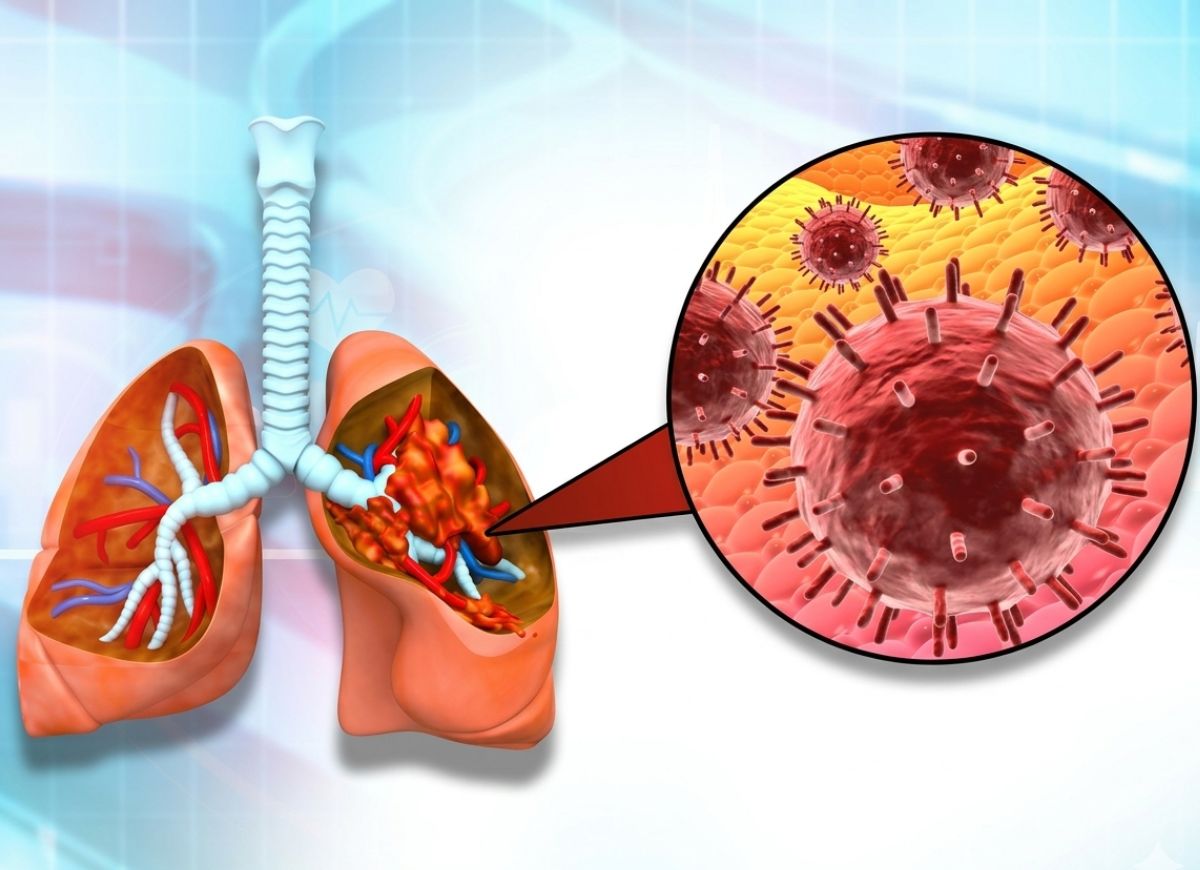
RSV is often thought of as an illness that mainly affects babies and young children, but that assumption can be misleading. Respiratory Syncytial Virus (RSV) can also be a serious concern for adults, particularly people over 60 and those with weakened immune systems. In the United States, RSV is estimated to cause tens of thousands of hospitalizations among older adults every year, highlighting that this virus deserves attention across all age groups.
One reason RSV can be difficult to recognize is that its early symptoms often resemble an ordinary cold. You might notice a mild cough, some tiredness, or a runny nose and assume the illness will quickly pass. However, RSV does not always remain mild. In some people, especially those at higher risk, the infection can move into the lower respiratory tract and contribute to bronchitis or pneumonia.
The surrounding environment can also play a role in respiratory illness. Seasonal changes and spending time in crowded indoor spaces can increase exposure to respiratory viruses. Adults who already have asthma, heart disease, or chronic lung conditions may experience symptoms that are more intense, last longer, or are more difficult to manage.
Early recognition is important because RSV symptoms can begin gradually and become more noticeable over several days. Understanding the warning signs can help you recognize when an illness may be more than an ordinary cold.
In this article, we’ll look at 10 key RSV symptoms in adults that should not be ignored. Some are similar to symptoms of other respiratory illnesses, while others may indicate that the infection is affecting the lower airways.
10 Key RSV Symptoms
Runny Nose and Congestion
RSV often starts with a runny nose and clear nasal drainage. As the immune system responds to the infection, the mucus may become thicker and sometimes appear yellow or green. This change does not automatically mean that a bacterial infection has developed.
Nasal congestion can also create pressure around the sinuses and cause a sensation of fullness or discomfort in the face.
Sore Throat
A sore, scratchy, or irritated throat is another common early symptom of RSV. The discomfort occurs because the viral infection can cause inflammation in the throat and surrounding tissues.
The soreness is usually mild to moderate but may make swallowing uncomfortable.
Mild Cough and Sneezing
During the early stages of RSV, the cough may be dry and occasional. It is generally caused by irritation in the upper airways.
Sneezing can also occur as the body attempts to clear irritation and infectious particles from the nasal passages. At this point, these symptoms are usually manageable and may not interfere significantly with normal activities.
Persistent, Hacking Cough
As RSV progresses, the cough can become deeper, stronger, and more frequent than the mild cough experienced at the beginning of the infection.
Mucus or phlegm may develop as inflammation increases in the respiratory tract and the lungs produce additional secretions.
This persistent cough can become exhausting and interfere with sleep. In some people, it may continue for several weeks even after other symptoms have improved. A prolonged cough can reflect ongoing irritation and inflammation in the bronchi and smaller airways.
Wheezing
Wheezing is a high-pitched or whistling sound that can occur while breathing, particularly during exhalation. It develops when inflammation and narrowing of the smaller airways restrict normal airflow.
Wheezing can indicate that RSV has affected the lower respiratory tract. It may also occur when RSV triggers conditions such as bronchiolitis or worsens existing asthma or COPD.
Shortness of Breath
Shortness of breath can range from a mild sensation of not being able to take a full breath to severe difficulty breathing.
Inflammation and mucus within the lungs can interfere with normal oxygen exchange. Someone may become unusually winded after simple activities, such as walking across a room. In more severe cases, breathing difficulty may also occur while resting.
Fever
Some healthy adults with RSV develop only a mild fever or no fever at all. However, a moderate or high fever may occur with a more significant infection.
Fever is part of the body’s natural immune response to infection. A persistent or high fever can contribute to dehydration, weakness, and discomfort and should be monitored carefully.
Headache and Body Aches
Headaches and muscle aches can occur with RSV, as they can with many other viral infections. These symptoms are partly associated with the body’s inflammatory response to the virus.
With a more significant RSV infection, headaches may persist while muscle aches can add to the overall feeling of sickness and discomfort.
Significant Fatigue and Malaise
RSV-related fatigue can be much more intense than ordinary tiredness. A person may feel extremely drained and have difficulty completing normal daily activities.
Malaise refers to a general sense of feeling unwell, uncomfortable, or sick without one specific cause. This profound exhaustion can occur because the body is using substantial energy to mount an immune response against the infection.
Decreased Appetite
A reduced appetite is common during a significant infection. Several factors can contribute to this, including general weakness, feeling unwell, and throat pain that makes eating or swallowing uncomfortable.
The body’s immune response can also affect normal digestion and appetite while it focuses energy on fighting the infection.
RSV vs. Common Cold
The Severity and Duration of Symptoms
RSV symptoms can be more intense and longer-lasting than those of an ordinary common cold. Adults with RSV may experience a stronger cough, considerable fatigue, and sometimes wheezing that continues for weeks. A common cold, which is frequently caused by rhinoviruses, generally reaches its worst point within a few days and improves within about a week to 10 days.
RSV may follow a longer course. The initial cold-like symptoms can improve while respiratory symptoms, particularly coughing, continue or become more noticeable.
The cough associated with RSV may sound deeper and more forceful than the cough typically caused by a common cold. It can also become productive, meaning mucus may be brought up from the respiratory tract.
Wheezing is another important difference. Although it can occasionally occur with other respiratory infections, it is more concerning when the smaller airways become inflamed during RSV. The fatigue associated with RSV may also feel considerably stronger than the mild tiredness that often accompanies a common cold.
A typical cold usually improves within approximately a week, while RSV can take two weeks or longer to fully resolve. In some adults, coughing can remain for several weeks after the other symptoms have disappeared. This longer recovery can occur because inflammation in the respiratory tract takes time to settle.
Another important distinction is where the infection affects the respiratory system. A common cold generally remains in the upper respiratory tract and produces symptoms such as sneezing, congestion, and sore throat. RSV can extend into the lower respiratory tract, potentially causing bronchitis, bronchiolitis, or pneumonia.
Potential Complications
The possible complications of RSV and the common cold can be quite different. In healthy adults, a common cold rarely causes serious problems, while RSV can sometimes result in significant lower respiratory infections such as bronchitis and pneumonia.
This difference is especially important for older adults and people who already have chronic medical conditions.
A common cold generally resolves on its own with rest and symptom management. RSV, however, can become much more serious in high-risk individuals and may result in hospitalization or other serious complications.
One of the major concerns with RSV is inflammation deeper in the lungs. The infection can contribute to pneumonia, in which the air sacs (alveoli) become inflamed and may fill with fluid or pus. RSV can also cause bronchiolitis, which involves inflammation of the smaller airways.
In addition, RSV can trigger severe flare-ups of existing health conditions. People with asthma or Chronic Obstructive Pulmonary Disease (COPD) may experience significant worsening of their breathing symptoms, sometimes requiring intensive treatment or hospitalization. People with congestive heart failure may also experience additional strain on the cardiovascular system.
Common Cold Complications: Complications from a common cold are generally uncommon and mild. They can include secondary bacterial infections such as middle ear infections (otitis media) or sinus infections (sinusitis).
These infections may develop when congestion creates conditions that allow bacteria to multiply. However, serious complications such as pneumonia are extremely uncommon from a typical common cold in an otherwise healthy adult.
When to Seek Medical Help?
An adult with suspected RSV should seek medical attention when severe symptoms develop. These can include significant difficulty breathing, a high or persistent fever, chest pain, or signs of low oxygen levels such as bluish skin or lips (cyanosis).
These warning signs may indicate that the infection has progressed beyond a mild respiratory illness and could require medical treatment, supplemental oxygen, or hospitalization.
Significant difficulty breathing is more serious than ordinary nasal congestion. It may feel as though you cannot get enough air, require extra muscles in your chest or neck to breathe, or make it difficult to speak complete sentences without stopping for breath.
A faster-than-normal breathing rate can also indicate respiratory distress. The body may increase breathing speed when the lungs are not exchanging oxygen efficiently.
A bluish appearance around the lips, fingernails, or skin can be a serious sign of hypoxemia, which means the blood is carrying dangerously low levels of oxygen. This requires immediate medical attention.
A very high fever, such as a temperature above 103°F (39.4°C), or a fever that does not improve with fever-reducing medication may indicate a stronger inflammatory response or a secondary bacterial infection such as pneumonia.
For people with COPD, asthma, or congestive heart failure, another important warning sign is a sudden and severe worsening of their existing symptoms that does not improve with their usual rescue treatments.
Who Are At a Higher Risk for Severe RSV?
Three major adult groups are particularly vulnerable to severe RSV: older adults, especially those aged 60 and above; people with chronic heart or lung conditions; and individuals with weakened immune systems.
These groups face greater risks because their bodies may have a reduced ability to fight the virus or cope with the physical stress caused by the infection.
The Centers for Disease Control and Prevention (CDC) estimates that RSV results in approximately 60,000–160,000 hospitalizations and 6,000–10,000 deaths each year among adults aged 65 and older in the United States.
For older adults, one important factor is immunosenescence, the natural decline in immune function that occurs with aging. This can make it harder for the body to control and clear the virus, allowing the infection to move deeper into the respiratory tract. Older adults are also more likely to have other medical conditions that may further increase their risk.
People with asthma, Chronic Obstructive Pulmonary Disease (COPD), emphysema, or congestive heart failure (CHF) are also more vulnerable. Existing lung damage in people with COPD can make it harder to clear mucus and control inflammation.
For people with asthma, RSV can trigger severe or prolonged bronchospasm. In people with CHF, the additional respiratory stress and increased demands placed on the body during a lung infection can put extra pressure on the heart.
The third high-risk group includes individuals with weakened immune systems. This may include people receiving chemotherapy for cancer, organ transplant recipients who take immunosuppressive medications, and individuals with advanced HIV.
A weakened immune system may have difficulty controlling the virus, potentially resulting in a higher viral load, greater lung damage, and an increased risk of severe pneumonia and other complications.
RSV Diagnosis
A healthcare provider may suspect RSV based on symptoms and the season in which the illness occurs. However, laboratory testing may be needed because RSV symptoms can closely resemble influenza, the common cold, and COVID-19.
One commonly used diagnostic method is the polymerase chain reaction (PCR) test. This molecular test detects the genetic material (RNA) of RSV from a respiratory sample and is highly sensitive.
A sample is generally collected using a nasal or nasopharyngeal swab. A thin swab is inserted into the nostril to collect secretions from the back of the nose and throat. PCR testing can detect an active infection with a high degree of accuracy.
Another diagnostic option is the rapid antigen detection test (RADT). This test looks for specific proteins, known as antigens, produced by the virus.
Rapid antigen tests can provide results much faster than PCR tests, often within 15 to 30 minutes. However, they are generally less sensitive and may be more likely to miss an infection, particularly in adults who may have lower viral levels than children.
For healthy adults with mild symptoms, a doctor may not always order a specific RSV test. The illness may instead be diagnosed clinically as a viral upper respiratory infection, with treatment focused on relieving symptoms. Specific testing may be considered for people at higher risk or during outbreaks.
Complications of RSV in Adults
Although RSV is mild and cold-like for many healthy adults, it can cause serious complications in older adults, people with weakened immune systems, and individuals with chronic medical conditions. One major concern is that RSV can worsen an existing health condition.
For example, people with chronic obstructive pulmonary disease (COPD) or asthma may experience severe flare-ups that cause increased shortness of breath and wheezing. Some may require more intensive treatment or hospitalization.
Likewise, people with congestive heart failure (CHF) can experience worsening symptoms because the respiratory infection places additional stress on the heart and lungs.
RSV can also directly cause serious lower respiratory illnesses. These include bronchiolitis, which causes inflammation of the small airways, and pneumonia, which inflames the air sacs (alveoli) in the lungs. The air sacs may fill with fluid or pus, making it significantly harder to breathe.
An RSV infection can weaken the respiratory system’s defenses and increase the risk of developing a secondary bacterial infection. Bacterial pneumonia is one possible complication and can become serious without appropriate treatment.
Severe RSV can sometimes progress to respiratory failure. In such cases, hospitalization may be necessary for supportive care, including supplemental oxygen, intravenous fluids, and, in the most severe situations, mechanical ventilation in an intensive care unit (ICU).
Recovery can take longer for older adults and people with chronic health conditions. After a severe infection, some individuals may experience a lasting reduction in lung function or overall physical health, which can affect their independence and quality of life.
How to Prevent an RSV Infection
Preventing RSV involves several layers of protection, including good hygiene habits and medical prevention measures such as vaccination. Many of these practices are also useful for reducing the spread of other respiratory viruses.
Wash your hands frequently with soap and water for at least 20 seconds. If soap and water are not available, use an alcohol-based hand sanitizer containing at least 60% alcohol. Avoid touching your eyes, nose, and mouth with unwashed hands because these areas can provide an entry point for viruses.
It is also important to keep some distance from people who are sick, clean frequently touched surfaces such as phones and doorknobs, and stay home when you are unwell.
RSV vaccines are another important prevention option, particularly for adults aged 60 and older who have a greater risk of severe disease. Clinical studies have shown that RSV vaccination can help reduce the risk of RSV-related lower respiratory tract disease.
Adults over 60 should discuss RSV vaccination with their healthcare provider and consider their personal health conditions and risk factors when deciding whether it is appropriate. An RSV vaccine is also available for pregnant individuals between 32 and 36 weeks of pregnancy to help protect newborns from RSV.
Wearing a high-quality, well-fitting mask in crowded indoor environments or during periods of increased respiratory virus activity can provide another layer of protection from infectious respiratory droplets.
Although healthy lifestyle habits cannot directly prevent RSV, eating a balanced diet, exercising regularly, getting enough sleep, and managing stress can support overall health and immune function.
RSV Treatment
Treatment for RSV in adults differs from treatment for influenza and COVID-19 because there are no specific antiviral medications routinely approved for general RSV treatment.
Influenza may be treated with antiviral medications such as oseltamivir (Tamiflu), while COVID-19 may be treated with medications such as nirmatrelvir/ritonavir (Paxlovid). RSV treatment mainly relies on supportive care, which focuses on reducing symptoms and helping the body recover while the immune system fights the virus.
For a mild RSV infection in a healthy adult, supportive care usually includes plenty of rest, adequate fluids to prevent dehydration and help loosen mucus, and over-the-counter medications for symptom relief. Acetaminophen or ibuprofen may help manage fever and pain, while saline nasal sprays and humidifiers can help relieve congestion and throat irritation.
This differs from targeted antiviral treatment for influenza and COVID-19, which works directly against viral replication and may reduce the duration or severity of illness when used appropriately.
When RSV becomes severe enough to require hospitalization, supportive treatment becomes more intensive. It may include intravenous (IV) fluids, supplemental oxygen to maintain adequate blood oxygen levels, and mechanical ventilation when respiratory failure occurs.
It is also important to understand that antibiotics do not work against RSV because RSV is a virus rather than a bacterium. Antibiotics should only be used when a healthcare provider identifies a secondary bacterial infection, such as bacterial pneumonia.
Although there is no standard antiviral treatment for adult RSV, an older antiviral medication called ribavirin may sometimes be considered in rare, life-threatening cases, particularly for severely immunocompromised individuals such as transplant recipients. Its use is highly specialized because of possible toxicity and inconsistent effectiveness.
FAQs
1. How contagious is RSV?
RSV (Respiratory Syncytial Virus) is highly contagious and can spread easily in crowded places such as schools, hospitals, and daycare centers. It primarily spreads through respiratory droplets released when an infected person coughs or sneezes.
The virus can also remain on surfaces for several hours. Touching a contaminated surface and then touching your mouth, nose, or eyes can contribute to transmission.
RSV is especially contagious during the first several days of illness and can sometimes spread before symptoms become noticeable. This makes it an important concern during peak respiratory virus seasons, particularly for infants, older adults, and people with weakened immune systems.
2. What is the fastest way to get rid of RSV?
There is no specific cure that immediately eliminates RSV. Treatment is focused on managing symptoms and providing supportive care. Getting enough rest, drinking plenty of fluids, and using appropriate over-the-counter medications for fever and discomfort can help support recovery.
People with severe symptoms or those in high-risk groups, such as infants and older adults, may require medical treatment such as oxygen therapy or IV fluids to prevent dehydration and breathing complications.
Symptoms should be monitored closely. If they become more severe, prompt medical attention is important to reduce the risk of complications such as pneumonia or bronchiolitis.
3. How do you tell if you have RSV?
Common signs of RSV can include persistent coughing, wheezing, and nasal congestion. Early symptoms may resemble a typical cold, but fever, chest tightness, or difficulty breathing can indicate a more significant respiratory infection.
RSV may progress more quickly in infants, older adults, and people with existing respiratory conditions. A healthcare provider can evaluate symptoms and may use a nasal swab or another appropriate test to confirm the infection.
4. How long do RSV symptoms last?
RSV symptoms in adults commonly last around 7 to 10 days, although coughing may continue for two weeks or longer. Infants and older adults may take longer to recover and can develop more severe symptoms.
Symptoms such as fever and coughing are often most noticeable during the first 3 to 5 days. Afterward, congestion and a mild cough may remain for some time. If symptoms persist, worsen, or become severe, medical attention is recommended.
5. What kills the RSV virus?
RSV can be inactivated by certain disinfectants, including alcohol-based cleaning products and appropriate bleach solutions. Soap and water can also effectively remove the virus from hands and surfaces.
Because RSV may remain on hard surfaces for several hours, regularly disinfecting commonly touched objects such as phones, light switches, and doorknobs can help reduce transmission.
Good hand hygiene is especially important. Washing your hands with soap and water for at least 20 seconds after coughing, sneezing, or touching shared surfaces can help reduce the spread of RSV.
6. Which one is worse, COVID or RSV?
Both COVID-19 and RSV can cause significant illness, but the populations most vulnerable to severe disease can differ.
COVID-19 can cause serious illness and complications in adults, including hospitalization and longer-term health effects. RSV is particularly concerning for infants, older adults, and people with underlying respiratory conditions such as asthma or COPD.
In vulnerable individuals, RSV can cause bronchiolitis, pneumonia, and respiratory failure. Both infections should therefore be taken seriously, particularly when symptoms become severe or occur in someone at higher risk.
7. What does an RSV cough sound like?
An RSV cough is often dry and persistent at first. As the infection progresses, it may become more congested or be accompanied by wheezing.
The cough may sound tight and can sometimes include whistling or gasping noises, especially when breathing becomes difficult.
It may also become worse at night and occur alongside shortness of breath or chest tightness. In severe cases, the cough may sound strained or labored because of increased breathing difficulty.
8. What is RSV in babies?
RSV can be particularly serious in babies because it may lead to bronchiolitis or pneumonia. Infants younger than 6 months are at increased risk for severe RSV infection.
Possible symptoms include rapid breathing, wheezing, nasal flaring, and grunting while breathing. Babies may also become irritable, have difficulty feeding, or experience poor weight gain.
Prompt medical care may be necessary to prevent complications and provide treatments such as oxygen therapy or IV fluids when required.
Conclusion
RSV may initially resemble a common cold, but it can become much more serious in certain people, particularly babies, older adults, and individuals with weakened immune systems. Recognizing symptoms early and getting appropriate medical care can help support recovery and reduce the risk of complications such as pneumonia and bronchitis.
Understanding how RSV spreads and following good hygiene practices can also help reduce transmission, especially among people at higher risk. If you or someone you know develops symptoms of RSV, monitoring the illness closely and seeking medical advice when necessary can help ensure appropriate care.