
Dwarfism: Symptoms, Causes, Types, and Diagnosis Explained
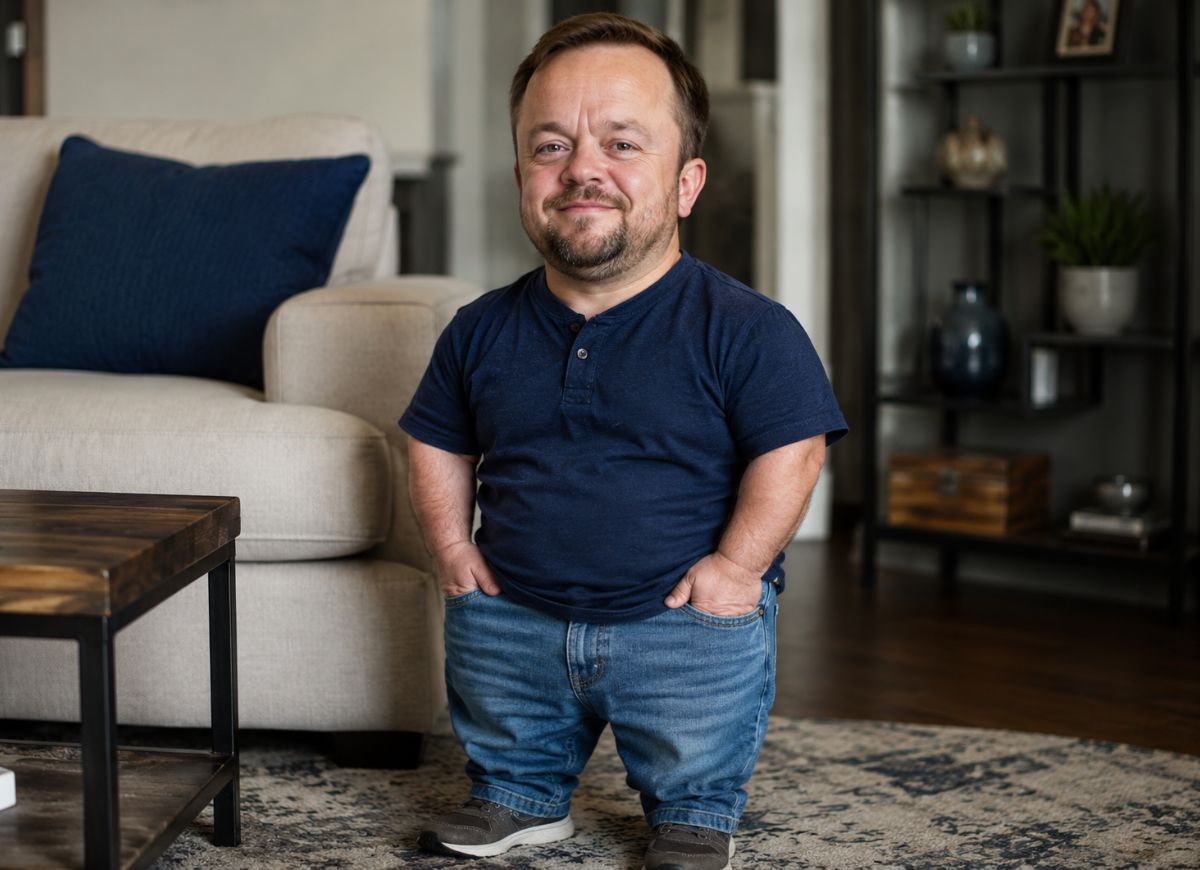
Dwarfism is not simply a difference in height. It is a medical condition that may involve specific genetic, physical, and health-related characteristics. Although dwarfism is often associated with short stature, it includes many different conditions, and the symptoms and experiences can vary from one person to another. Learning about its signs, causes, types, and diagnosis can make this condition easier to understand.
Dwarfism is generally defined as an adult height of 4 feet 10 inches (147 cm) or less when the short stature is caused by a medical or genetic condition. It occurs worldwide, with estimates ranging from about 1 in 15,000 to 40,000 births depending on the particular type. Achondroplasia is one of the most common forms and results from a genetic change that affects normal bone growth.
Most forms of dwarfism are linked to genetic changes that influence the development of bones and cartilage. Some conditions can be inherited from parents, while others develop from new genetic changes that were not previously present in the family. Although short stature is the most obvious characteristic, certain types can also affect bone shape, joints, the spine, or other aspects of health.
Identifying dwarfism early can help families understand a child’s growth pattern and provide appropriate medical care. Doctors may use growth measurements, physical examinations, imaging studies, and genetic testing to determine the underlying cause.
People with dwarfism may experience certain medical or accessibility-related challenges, but many lead active and fulfilling lives. Proper healthcare, supportive environments, accessibility, and accurate information can all make a meaningful difference. In this article, we will look at dwarfism symptoms, causes, types, diagnosis, and related health concerns.
Key Symptoms of Dwarfism
The main physical signs of restricted growth can generally be divided into two broad patterns: disproportionate dwarfism and proportionate dwarfism. In disproportionate dwarfism, certain parts of the body, such as the limbs, are smaller in relation to the trunk. In proportionate dwarfism, the head, trunk, and limbs are all smaller while maintaining relatively normal proportions.
The symptoms depend largely on the underlying condition and can influence the physical characteristics seen in each individual.
Signs of Disproportionate Dwarfism
Disproportionate dwarfism involves noticeable differences between the sizes of different parts of the body. A common pattern is a relatively average-sized trunk with considerably shorter arms and legs. Achondroplasia is the best-known and most common cause of this type.
Many of the physical characteristics can be recognized at birth or become apparent during early infancy. The differences may involve the limbs, hands, head, spine, and facial structure rather than being limited to height alone.
Skeletal Proportions
One of the most noticeable characteristics is shortened limbs, especially the upper portions of the arms (humerus) and thighs (femur). This pattern is called rhizomelic shortening. The trunk is generally closer to the expected size for the person’s age, creating the characteristic difference in body proportions.
Cranial and Facial Features
People with certain forms of disproportionate dwarfism may have a larger head, known as macrocephaly, along with a prominent forehead or frontal bossing. The bridge of the nose may appear flattened, while the middle portion of the face can be less developed, making the lower jaw appear more prominent.
Spinal and Postural Characteristics
An increased inward curve of the lower spine, known as lordosis, may occur. Some individuals can also develop a forward curve of the upper back called kyphosis. With age, there may be a greater risk of spinal stenosis, which occurs when the spinal canal becomes narrower and can put pressure on the spinal cord. This may cause pain, numbness, or weakness in the legs.
Bowed legs, medically called genu varum, are another possible feature. In some cases, this can affect walking and may require treatment or surgical correction.
Limb and Hand Features
Some individuals have a limited range of motion, particularly at the elbows, which may not fully straighten. The hands are often shorter and broader, and the fingers may have a three-pronged or “trident” appearance because of increased spacing between the middle and ring fingers.
Signs of Proportionate Dwarfism
Proportionate dwarfism occurs when the entire body is smaller than average while maintaining relatively normal proportions. The head, trunk, arms, and legs are all reduced in size compared with average growth, but there is no major imbalance between body parts.
Unlike disproportionate dwarfism, there is no obvious skeletal mismatch. Instead, the person generally appears like a smaller version of someone with average body proportions. Proportionate short stature can result from medical conditions affecting overall growth, including growth hormone deficiency (GHD).
These signs may not be obvious at birth. Instead, they often become noticeable when a child’s growth rate slows during early childhood.
Delayed Growth Rate
A child with proportionate dwarfism may have an average birth weight and length but gradually grow more slowly than expected. Over time, the child may move down the growth chart and remain significantly below the typical growth range.
This slowing of growth is often the most important early sign and may prompt parents or healthcare providers to investigate the underlying cause.
Overall Appearance
Because of their smaller size, individuals may appear younger than their actual age. Puberty can also occur later than expected or may require medical treatment in some cases. Certain children with growth hormone deficiency may have facial features described as youthful or cherubic, and some may retain a higher-pitched voice into adulthood.
Body Composition
Although body proportions remain relatively normal, some people with growth hormone deficiency may carry a greater amount of body fat. Increased fat around the abdomen can occur because growth hormone also plays a role in metabolism and body composition.
Absence of Skeletal Malformations
A major difference from disproportionate dwarfism is that obvious skeletal abnormalities are generally absent. There is usually no unusually large head, prominent forehead, or characteristic bowed legs associated with skeletal dysplasia.
Intellectual development is generally normal. Since the signs of proportionate growth problems may develop gradually, diagnosis can sometimes be delayed until a parent or pediatrician notices that the child is growing much more slowly than expected.
Primary Reasons for Dwarfism
The causes of restricted growth can broadly be divided into genetic conditions and hormonal or metabolic problems. Genetic causes include inherited disorders and new gene mutations, while hormonal causes can include insufficient growth hormone.
More than 400 different medical conditions can contribute to forms of dwarfism or restricted growth. The exact cause determines the pattern of growth, associated health concerns, and available treatment options.
Genetic Causes
Genetic forms of restricted growth occur when changes in genes involved in bone or cartilage development affect normal skeletal growth. One of the best-known examples is a change in the FGFR3 gene, which causes achondroplasia.
These genetic changes interfere with normal skeletal development and can lead to various skeletal dysplasias. Some conditions are inherited, while others result from spontaneous mutations that occur for the first time in an individual.
Achondroplasia and the FGFR3 Gene represent the most common example. The Fibroblast Growth Factor Receptor 3 (FGFR3) gene provides instructions for producing a protein involved in regulating bone development. In achondroplasia, a specific mutation causes this pathway to become overactive, limiting the conversion of cartilage into bone, particularly in the long bones of the arms and legs.
Around 80% of people with achondroplasia are born to parents of average height. In these cases, the condition usually results from a new, or de novo, genetic mutation. The remaining cases can occur when the altered gene is inherited from one or both parents through an autosomal dominant pattern.
Turner syndrome occurs in females and results from the complete or partial absence of one X chromosome. It can affect several aspects of development and health, with short stature being one of its common characteristics. Unlike achondroplasia, the short stature associated with Turner syndrome is generally proportionate.
Other skeletal dysplasias include hundreds of different genetic conditions. Examples include hypochondroplasia, which can resemble a milder form of achondroplasia, and diastrophic dysplasia. Each condition involves different genetic changes that influence how the skeleton develops and can produce different patterns of short stature.
Hormonal and Metabolic Causes
Growth Hormone Deficiency (GHD) is one of the major hormonal causes of restricted growth. It occurs when the pituitary gland does not produce enough growth hormone to support normal childhood growth, generally resulting in proportionate short stature.
Hormones act as chemical messengers that help regulate many processes throughout the body, including physical growth. When the endocrine system does not provide enough of these signals during childhood, growth can slow significantly.
More specifically, Growth Hormone Deficiency (GHD) involves the pituitary gland, which is located at the base of the brain and produces growth hormone, also known as somatotropin. GHD may be congenital, meaning it is present from birth, or it can develop later because of a brain injury, tumor, infection, or radiation treatment. In some children, no specific cause is identified and the condition is considered idiopathic.
When the body does not receive enough growth hormone, normal growth can slow, resulting in a uniformly smaller body.
The thyroid gland also produces hormones that are important for metabolism and normal growth. Childhood hypothyroidism, or an underactive thyroid, can interfere with growth and lead to short stature when it remains untreated. Because thyroid hormones influence many body processes, insufficient levels can slow physical development.
Severe or prolonged malnutrition can also restrict growth because the body does not receive enough calories, protein, vitamins, and minerals needed to build healthy tissues and bones.
Chronic illnesses involving the kidneys, heart, lungs, or digestive system can also affect growth. Conditions such as celiac disease or Crohn’s disease may interfere with nutrient absorption or place significant stress on the body. Severe emotional deprivation or neglect can, in rare circumstances, contribute to psychosocial dwarfism, in which significant stress is associated with impaired growth.
Types of Dwarfism
Dwarfism is commonly divided into two broad categories: disproportionate dwarfism and proportionate dwarfism. Disproportionate dwarfism means that some parts of the body are significantly smaller than others, while proportionate dwarfism means that the entire body is smaller while retaining relatively normal proportions.
This distinction is useful because the two patterns often have different underlying causes. Disproportionate forms are frequently related to genetic skeletal disorders, whereas proportionate forms can result from hormonal or metabolic conditions.
Understanding the body proportions and underlying cause helps healthcare professionals identify possible complications and determine appropriate care.
The Definition of Disproportionate Dwarfism
Disproportionate dwarfism refers to restricted growth in which different areas of the body have noticeably different sizes. A typical pattern includes a relatively average-sized trunk together with significantly shortened arms and legs.
This category is commonly associated with genetic conditions called skeletal dysplasias. These disorders affect the development and growth of cartilage and bone, leading to characteristic changes in the skeleton.
Achondroplasia is the most familiar example of disproportionate dwarfism. The word “disproportionate” describes the difference in size between various body parts rather than simply describing a person’s overall height.
For example, imbalance in body proportions is a central feature. The trunk may be close to the expected size for age, while the arms and legs are considerably shorter. The shortening may be particularly noticeable in the upper arms and thighs.
Associated physical traits can also contribute to the characteristic appearance. These may include a larger head, prominent forehead, flattened nasal bridge, spinal curvature, and bowed legs.
Hundreds of skeletal dysplasias can cause disproportionate dwarfism. Because these conditions directly affect skeletal development, their physical characteristics may be visible at birth or become apparent during early infancy.
The Definition of Proportionate Dwarfism
Proportionate dwarfism describes a pattern in which the entire body is smaller than average while the head, trunk, arms, and legs remain relatively balanced in size. In other words, there is no major skeletal disproportion.
The condition is often related to systemic problems that interfere with overall growth, including hormonal deficiencies and certain metabolic disorders. Unlike many skeletal dysplasias, the signs may not be obvious at birth and can become noticeable as the child’s growth rate slows.
Symmetrical small stature means that all major body parts are reduced to a similar degree. If the person’s proportions were enlarged, they would generally resemble those of someone with average stature. There are no markedly shortened limbs relative to the trunk or unusually enlarged head as seen in some disproportionate conditions.
Many children with proportionate dwarfism are born at an average size. The difference becomes clearer over time when they fail to maintain expected growth milestones. They may appear younger than their chronological age, and puberty may occur later than expected.
Growth hormone deficiency (GHD), which involves insufficient production of growth hormone by the pituitary gland, is an important cause. Other possible causes include hypothyroidism and chronic systemic illnesses that interfere with normal growth or nutrient use. Intellectual development is generally unaffected when these conditions are not associated with another neurological disorder.
Achondroplasia vs. Growth Hormone Deficiency
Achondroplasia is a genetic skeletal dysplasia that causes disproportionate short stature and characteristic skeletal features. Growth hormone deficiency, on the other hand, is an endocrine disorder that generally causes proportionate short stature and may respond to growth hormone replacement therapy.
Although both conditions can result in restricted growth, their causes, physical characteristics, timing, and treatment are quite different. Comparing them helps explain the distinction between the two major patterns of dwarfism.
Achondroplasia results from a specific mutation involving the FGFR3 gene, which changes the way cartilage develops into bone. Growth Hormone Deficiency (GHD) occurs when the pituitary gland does not produce enough growth hormone. Therefore, achondroplasia primarily involves abnormal skeletal signaling, while GHD involves an insufficient hormonal signal for growth.
Achondroplasia produces disproportionate short stature. Common features include a relatively average-sized trunk, shortened limbs, especially the upper arms and thighs, a larger head with a prominent forehead, and sometimes bowed legs. GHD generally produces proportionate short stature, with the entire body remaining relatively symmetrical and without the characteristic skeletal abnormalities of achondroplasia.
The physical characteristics of achondroplasia can generally be recognized at birth. GHD is more often identified later because many children are born at an average size and begin to grow more slowly during childhood.
There is no treatment that completely reverses the underlying skeletal changes of achondroplasia. Medical care focuses on monitoring and managing complications such as spinal stenosis and sleep apnea. Targeted medicines may influence growth velocity in some children, but they do not eliminate the underlying skeletal dysplasia.
GHD is different because it can be treated directly with synthetic growth hormone. Children who have confirmed growth hormone deficiency may receive regular hormone therapy, which can significantly improve growth and may allow them to reach a height closer to the normal range.
Dwarfism Diagnosis
Diagnosing dwarfism involves more than simply measuring height. Doctors generally begin with a physical examination and a detailed review of the child’s growth history before using additional tests to determine the underlying cause.
Height, weight, and head circumference may be measured regularly and compared with standardized growth charts. Measurements taken over time can show whether growth is following an expected pattern or slowing significantly.
Physical characteristics such as a larger head, shortened limbs, prominent forehead, or differences in body proportions can provide important clues. Doctors may then recommend imaging studies for a closer look at the bones.
X-rays can provide useful information about bone structure and skeletal maturity. Bone age, which reflects the maturity of the skeleton, may differ from chronological age in certain growth disorders. Specific bone shapes and patterns can also help doctors identify particular skeletal dysplasias such as achondroplasia.
Additional testing may be needed to confirm the diagnosis and determine the exact condition. When Growth Hormone Deficiency (GHD) is suspected, blood tests can evaluate growth-related hormones and other endocrine markers. A growth hormone stimulation test may also be performed, using specific substances to encourage the pituitary gland to release growth hormone before measuring the response.
For many skeletal dysplasias, genetic testing can provide a definitive diagnosis. A blood sample may be analyzed for mutations in genes associated with conditions such as achondroplasia and hypochondroplasia.
A detailed family medical history is also important. It can help determine whether a condition may have been inherited and can provide useful information for genetic counseling and future family planning.
Health Complications Associated with Restricted Growth
Although short stature is the most recognizable characteristic, some forms of dwarfism can involve additional medical complications. The specific risks depend greatly on the underlying condition.
In achondroplasia, orthopedic problems are relatively common. Bowed legs, or genu varum, can develop because of differences in bone growth and may contribute to pain or early joint problems. Spinal stenosis is another important concern. Narrowing of the spinal canal can place pressure on the spinal cord and potentially cause pain, numbness, or weakness in the legs.
Narrowing around the opening at the base of the skull, known as foramen magnum stenosis, can put pressure on the brainstem and may contribute to serious breathing problems, including central sleep apnea. People with achondroplasia and some other skeletal dysplasias can also experience recurring middle ear infections, or otitis media, which may contribute to hearing difficulties.
Sleep apnea can occur in some forms of dwarfism as well. Obstructive sleep apnea involves repeated interruptions in breathing during sleep and may be influenced by airway size, facial structure, and body weight. Poor-quality sleep can affect daily functioning and may place additional strain on the cardiovascular system.
Certain types of dwarfism can also increase the risk of hydrocephalus, a condition involving excess cerebrospinal fluid and increased pressure within the skull. In some cases, treatment may require a shunt to help drain the excess fluid.
Dental problems can also occur when normal-sized teeth develop in a smaller jaw. Crowding, misalignment, and bite abnormalities may result and can require orthodontic treatment. Regular dental care with a provider familiar with skeletal dysplasias can be helpful.
Medical Treatments for Dwarfism
There is no single treatment that applies to every form of dwarfism. Most genetic skeletal conditions cannot be reversed, but medical care can help manage symptoms, prevent or treat complications, and in some cases influence growth.
The appropriate treatment depends on the specific diagnosis and the individual’s health needs.
For people with Growth Hormone Deficiency (GHD), synthetic growth hormone therapy is a standard treatment. Regular injections can support growth and may help affected children achieve a significantly greater adult height.
Growth hormone treatment does not generally correct skeletal dysplasias such as achondroplasia because the problem is not simply a lack of growth hormone. Instead, the underlying condition affects how the bones respond to growth signals.
Targeted medications have also been developed for some skeletal dysplasias. Vosoritide, for example, has been approved for certain children with achondroplasia and works on a biological pathway involved in regulating bone growth.
The Difference Between Dwarfism and Constitutional Growth Delay
Understanding the difference between dwarfism and constitutional growth delay (CGD) is important when evaluating a child who is shorter than their peers. The main distinction is that dwarfism results from an underlying medical or genetic condition, while constitutional growth delay is generally a normal variation in the timing of growth and puberty.
Dwarfism can result from genetic skeletal conditions such as achondroplasia or hormonal disorders such as Growth Hormone Deficiency. These conditions can lead to significantly reduced adult height and may involve either proportionate or disproportionate body features, depending on the cause.
Diagnosis involves identifying the underlying reason for restricted growth. Doctors may use genetic testing, hormone evaluations, growth measurements, and skeletal imaging to determine the cause.
Constitutional growth delay is often referred to as being a “late bloomer.” It is not usually considered a disease. Children with CGD are commonly born at an average size but begin growing more slowly during childhood and may move to a lower position on the growth chart.
A major characteristic of CGD is delayed puberty. Bone-age testing typically shows that skeletal development is behind the child’s chronological age. This means the child may have additional time for growth.
Because puberty and the associated growth spurt happen later, these children often continue growing after many of their peers have stopped. They may eventually reach an adult height within the expected family range. Constitutional growth delay can also occur in families.
FAQs
1. At what age is dwarfism detected?
Dwarfism may be noticed during infancy or childhood when a child’s height, growth rate, body proportions, or bone development differs from expected patterns. Some conditions can be recognized early through routine growth measurements, while others become more apparent as the child grows. Doctors may use imaging or genetic testing to confirm the specific diagnosis.
2. Can you have slight dwarfism?
Yes. Dwarfism includes many different medical conditions, and the degree of short stature and physical differences can vary considerably. Some forms may produce less noticeable features than others. Diagnosis is based on the underlying condition, growth pattern, and physical characteristics rather than height alone.
3. Can you be short and not have dwarfism?
Yes. Being shorter than average does not automatically mean a person has dwarfism. Height can naturally vary because of genetics, family height patterns, and normal differences in growth. Dwarfism generally refers to a medical or genetic condition that affects growth and development.
4. How old do people with dwarfism live in real life?
Life expectancy varies depending on the particular type of dwarfism and whether serious medical complications are present. Many people with common forms, including achondroplasia, can have long and healthy lives with appropriate medical care. Some rare forms may involve more severe complications that can affect lifespan.
5. In what country is dwarfism most common?
Dwarfism occurs in populations around the world, and the frequency of individual types can differ between populations because of genetic factors. Achondroplasia occurs across many countries and ethnic groups. Certain rare genetic forms may be more frequent in particular populations where the responsible genetic changes are more common.
6. Does dwarfism affect intelligence?
In most forms of dwarfism, intellectual development is normal. Having dwarfism does not generally affect a person’s intelligence. However, some rare genetic disorders associated with short stature can also involve neurological or learning difficulties, depending on the specific condition.
7. What is the rarest form of dwarfism?
There is no single condition that can easily be identified as the one “rarest” form because numerous extremely uncommon skeletal dysplasias exist. Many are caused by different genetic changes affecting bone or cartilage development. Because some of these disorders are exceptionally rare, diagnosis may require evaluation by specialists and genetic testing.
8. Who is the most famous person with dwarfism in history?
Several people with dwarfism have become well known through entertainment, sports, and history. General Tom Thumb is one of the most recognized historical figures and was a famous performer associated with P. T. Barnum’s circus. Today, numerous public figures with dwarfism have also helped increase awareness and understanding of the condition.
Conclusion
Dwarfism describes a diverse group of medical conditions that affect growth and development. It is not defined by height alone. The causes, physical characteristics, and possible health complications differ depending on the specific type, which makes an accurate diagnosis important.
Although some forms of dwarfism can involve physical differences and medical challenges, many people with dwarfism live active, successful, and fulfilling lives. Early diagnosis, appropriate healthcare, accessibility, and ongoing medical support can help manage complications and improve quality of life.
Greater understanding can also help replace misconceptions with accurate information. Learning about the symptoms, causes, types, diagnosis, and treatment of dwarfism encourages awareness, respect, and better support for people living with these conditions.