

5 Common Signs of Lead Toxicity You Need to Recognize
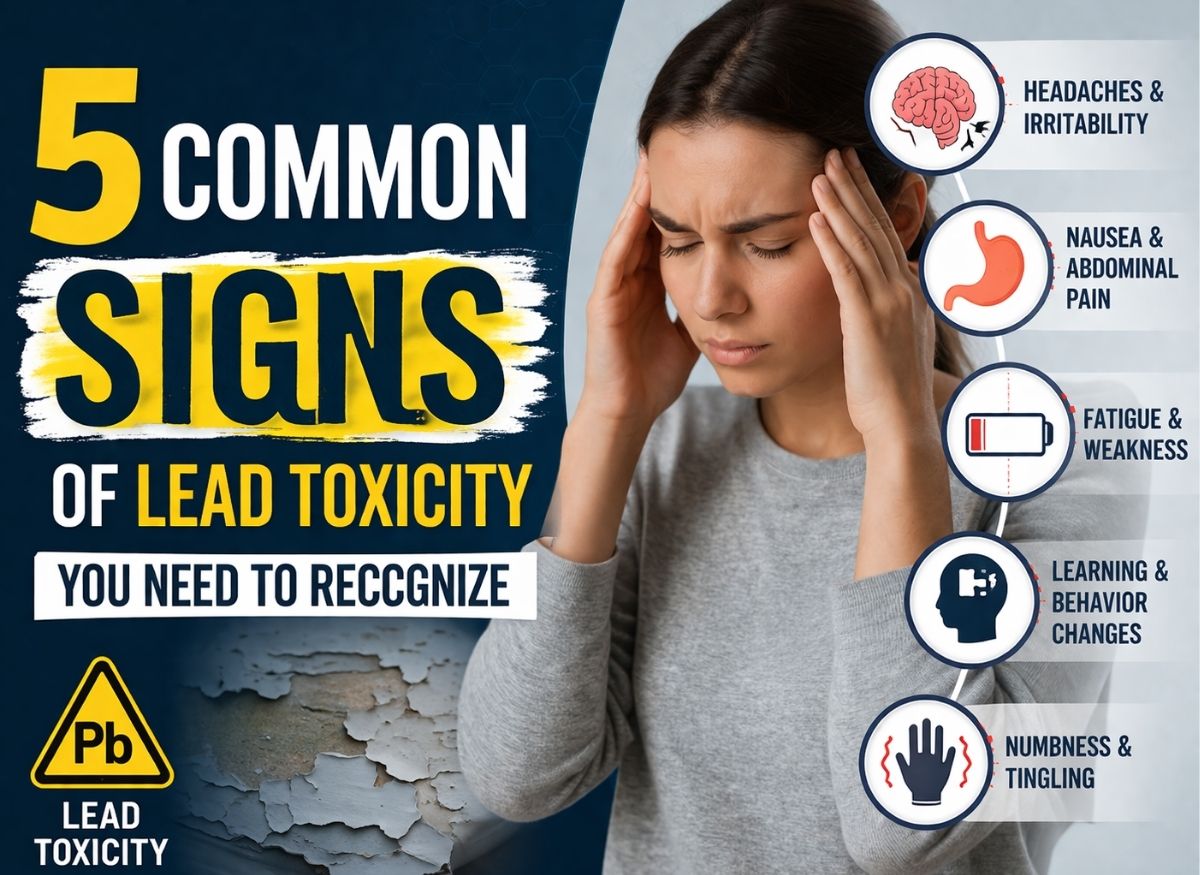
Lead toxicity is a hidden health concern that can seriously affect the body before a person realizes they have been exposed. Lead can enter the body through sources such as old lead-based paint, contaminated drinking water, certain household products, and workplace environments. If exposure continues, it can affect several organs and body systems.
One reason lead toxicity can be difficult to recognize is that its symptoms may develop gradually. Many of the warning signs can also look like symptoms of other health conditions. People living in older homes, working around lead-containing materials, or concerned about possible exposure in children should understand the common signs.
In this article, we’ll look at the 5 common signs of lead toxicity that you should know. Recognizing these symptoms can encourage timely medical evaluation, help identify possible exposure, and reduce the risk of further health problems.
5 Telltale Signs of Lead Toxicity
There are five major groups of symptoms associated with lead toxicity: developmental and learning problems, behavioral changes, neurological symptoms, digestive problems, and fatigue or physical weakness. The effects can vary depending on the amount and duration of exposure, with children being especially vulnerable to lead’s harmful effects.
Developmental Delays and Learning Difficulties in Children
Developmental delays and learning difficulties can be important signs of lead toxicity in children. Lead can interfere with the developing nervous system and affect normal brain development. Young children are particularly vulnerable because their brains are still developing rapidly.
Lower IQ and Cognitive Impairment: One well-established effect of lead exposure is impaired cognitive development. Lead can interfere with memory, attention, and problem-solving abilities, making it harder for children to process and retain information.
Learning Disabilities: Children exposed to elevated levels of lead may have greater difficulty with academic skills such as reading and mathematics. In some cases, these difficulties may become noticeable in the classroom and require additional educational support.
Delayed Speech Skills: Lead exposure can also interfere with language development. Some children may develop speech and vocabulary skills more slowly than expected for their age.
Common Behavioral Problems and Irritability
Lead toxicity can also contribute to noticeable behavioral changes and increased irritability. Because lead can affect the nervous system and brain chemistry, children may become more restless, impulsive, or easily frustrated. These behaviors can sometimes be confused with other developmental or behavioral conditions.
Hyperactivity and Inattentiveness: Children with elevated blood lead levels may have difficulty sitting still, staying focused, or controlling impulses. These changes can interfere with learning and everyday activities.
Aggression and Antisocial Behavior: Lead exposure has also been associated with increased irritability, aggression, and difficulty managing frustration. Behavioral changes may become more noticeable as exposure continues.
Mood Swings in Adults: Adults exposed to lead may experience irritability, anxiety, low mood, or other changes in emotional well-being. These symptoms can affect relationships and daily life and may sometimes be overlooked as unrelated problems.
Neurological Symptoms: From Headaches to Seizures
The nervous system is one of the major systems affected by lead exposure. Because lead is a neurotoxin, prolonged or significant exposure can interfere with normal nerve and brain function. Possible neurological signs include:
- Headaches and Cognitive Decline: Adults with ongoing lead exposure may experience headaches, difficulty concentrating, forgetfulness, or a feeling of mental fog. These symptoms can sometimes be mistaken for stress, lack of sleep, or normal aging.
- Peripheral Neuropathy: Lead can affect nerves outside the brain and spinal cord. This may cause tingling, numbness, or weakness in the hands and feet. Severe nerve damage can contribute to wrist weakness or difficulty lifting the hand.
- Seizures and Encephalopathy: Very high levels of lead exposure can cause severe neurological complications, including encephalopathy. Symptoms may include seizures, changes in consciousness, and other serious brain-related problems that require emergency medical attention.
Gastrointestinal Issues: “Lead Colic” and Constipation
Digestive symptoms can occur with moderate to severe lead toxicity. Lead can interfere with the normal movement of the intestines, resulting in several uncomfortable gastrointestinal problems. Historically, severe abdominal symptoms associated with occupational lead exposure were sometimes called “painter’s colic.”
Lead Colic (Abdominal Pain): This may cause severe abdominal pain or cramping that can come in waves. The discomfort may be intense and can sometimes resemble other abdominal emergencies.
Chronic Constipation: Lead can slow the normal movement of food through the intestines. As a result, constipation may develop in both children and adults, with stools becoming harder and more difficult to pass.
Nausea and Loss of Appetite: Ongoing nausea, reduced appetite, and sometimes an unusual metallic taste may occur. In children, a sudden decrease in interest in food can be an important symptom to discuss with a healthcare professional.
Fatigue, Muscle Weakness, and Anemia
Some physical symptoms of lead toxicity are related to its effect on blood production. Lead can interfere with the body’s ability to produce heme, which is necessary for making hemoglobin. When hemoglobin levels are reduced, the blood has less ability to transport oxygen throughout the body.
- Anemia-Related Fatigue: Reduced oxygen delivery can contribute to persistent tiredness and weakness. A person may also appear unusually pale, particularly in the face or around the eyelids.
- Muscle Weakness (Myalgia): Lead exposure can affect muscle and nerve function, resulting in generalized weakness. Everyday physical activities may become more tiring or difficult.
- Joint Pain (Arthralgia): Lead can accumulate in bones and may contribute to deep aches or discomfort in the joints and muscles.
If you notice several of these signs of lead toxicity, it is important to seek medical advice and investigate the possibility of exposure. Whether the source is old lead-based paint, contaminated water, or workplace exposure, identifying and removing the source is an important part of preventing further harm. In more serious cases, medical treatment such as chelation may be considered by healthcare professionals.
The Primary Causes of Signs of Lead Toxicity
Understanding where lead exposure comes from is an important part of preventing lead toxicity. Although lead has been removed from many modern products, it can still be present in older buildings, plumbing systems, soil, consumer products, and certain workplaces.
Recognizing these sources is especially important for protecting children, who are more vulnerable to the harmful effects of lead exposure.
Lead-Based Paint in Older Homes
Old lead-based paint remains an important source of lead exposure, particularly in homes constructed before 1978 in the United States. Although lead-based residential paint was banned decades ago, older buildings may still contain layers of lead-containing paint on walls, doors, windows, and other surfaces.
The greatest danger often occurs when old paint begins to peel, chip, or deteriorate and produces contaminated dust. Young children may accidentally swallow paint chips or inhale dust while playing on floors and around windows.
Opening and closing older windows can also create lead dust through friction. Renovation activities such as sanding, scraping, or disturbing painted surfaces without proper precautions can release significant amounts of lead-containing dust into the home.
Contaminated Drinking Water and Plumbing
Older plumbing systems can also contribute to lead exposure. Lead may enter drinking water when water comes into contact with lead service lines, lead-containing pipes, or plumbing fixtures that contain lead solder.
The risk can be greater when water chemistry encourages lead to leach from plumbing materials. Because lead does not change the color, smell, or taste of water in a reliable way, contamination cannot be identified simply by looking at or drinking the water.
Infants may face particular concern when formula is prepared with contaminated tap water. Using appropriately certified water filters and following local water-safety guidance can help reduce potential exposure.
Soil, Dust, and Industrial Sources
Soil can retain lead from historical pollution and industrial activity. In some areas, lead from older gasoline emissions accumulated in soil near roads, while deteriorating exterior paint from older buildings can also contaminate surrounding ground.
Industrial facilities, including smelting operations and battery recycling sites, may contribute to lead contamination in nearby soil. Children playing in contaminated areas can accidentally swallow soil or bring contaminated dirt indoors on their shoes.
Keeping outdoor play areas covered with grass or suitable ground covering and removing shoes before entering the home can help reduce the amount of contaminated soil and dust brought indoors.
Consumer Products, Hobbies, and Occupations
Lead exposure can also come from certain imported or older consumer products. Some jewelry, antique items, traditional cosmetics, toys, and pottery with lead-containing glazes may contain unsafe amounts of lead.
Certain hobbies and occupations can create additional exposure. People working in battery manufacturing, construction, auto repair, or other industries involving lead may come into contact with lead dust or fumes.
Hobbies such as stained-glass work and making fishing weights can also involve lead. Workers may unintentionally carry lead dust home on their clothing, shoes, or skin, exposing other household members.
How are Signs of Lead Toxicity Diagnosed and Treated?
Diagnosing lead toxicity requires medical testing because symptoms alone cannot reliably confirm lead exposure. A blood lead level (BLL) test is the primary test used to determine whether lead is present in the bloodstream and to assess the level of exposure.
The Definitive Medical Test for Diagnosis
The main diagnostic test for lead poisoning is the blood lead level test. Results are generally reported in micrograms of lead per deciliter of blood (μg/dL).
A blood sample may be collected through a capillary test, such as a finger prick, or through a venous blood draw from the arm. Capillary testing is often convenient for screening, but contamination from lead dust on the skin can sometimes affect the result. An elevated screening result may therefore need confirmation with a venous blood test.
There is no identified safe level of lead exposure, particularly for children. The CDC currently uses a blood lead reference value of 3.5 μg/dL to identify children whose blood lead levels are higher than most children’s levels. An elevated result can lead to additional evaluation, including efforts to identify and eliminate the source of exposure.
Who Should Prioritize Testing if Having Signs of Lead Toxicity?
Testing may be particularly important for children who live in or regularly spend time in older homes or childcare facilities built before 1978, where lead-based paint may still be present.
Children who have recently arrived from countries where lead exposure may be more common can also require attention to possible exposure. Adults working in industries such as construction, battery production, or auto repair may also need testing because of their occupational risk.
Anyone who develops symptoms after a known or suspected exposure should discuss testing with a healthcare professional.
Strategies for Treatment and Intervention
Treatment for lead toxicity generally begins by identifying and stopping the source of exposure. Medical management then depends on the person’s blood lead level, age, symptoms, and overall health.
Source Elimination and Environmental Remediation
Removing the source of exposure is one of the most important parts of treatment. If deteriorating lead-based paint is responsible, qualified professionals may be needed to safely manage or remove the hazard.
Cleaning contaminated areas properly and reducing lead dust can also help prevent continued exposure. Unsafe do-it-yourself sanding or scraping of old lead-based paint should be avoided because these activities can spread contaminated dust throughout the home.
Nutritional Support and Chelation Therapy
Adequate nutrition is an important part of managing lead exposure. A balanced diet containing sufficient calcium, iron, and vitamin C can support overall health and may help reduce the amount of lead the body absorbs.
For significantly elevated blood lead levels, healthcare professionals may recommend chelation therapy. Chelating medicines bind to lead so that it can be removed from the body, primarily through urine.
Chelation can lower blood lead levels, but it does not necessarily reverse damage that has already occurred. This is why identifying and stopping exposure as early as possible remains essential.
The Differentiating Factors and Long-Term Risks of Signs of Lead Toxicity
The effects of lead exposure can differ depending on a person’s age, level of exposure, and length of time exposed. Children are especially vulnerable because their nervous systems are still developing, while adults may experience effects involving several established body systems.
Divergent Symptoms: Children vs. Adults
Lead exposure can affect children and adults in different ways. In children, the developing nervous system is particularly vulnerable. Exposure may be associated with learning difficulties, behavioral changes, developmental delays, and problems with attention and cognitive development.
Adults may experience more systemic effects, including high blood pressure, abdominal discomfort, muscle or joint pain, and problems with concentration or memory. Lead exposure can also affect reproductive health in adults.
The symptoms and severity can vary significantly, which is why suspected exposure should be evaluated rather than relying on symptoms alone.
Permanent Health Complications of Chronic Exposure
Long-term lead exposure can result in serious health complications. Lead can accumulate in the body, including in bones, where it may remain for long periods.
Some of the potential long-term consequences include:
- Permanent Neurotoxicity: Lead exposure during childhood can interfere with brain development and may contribute to lasting learning, behavioral, and cognitive difficulties.
- Chronic Kidney Disease: Prolonged exposure can damage the kidneys and, in severe cases, contribute to declining kidney function.
- Cardiovascular Degradation: Long-term lead exposure has been associated with high blood pressure and other cardiovascular problems, increasing the risk of serious health complications.
Lead vs. Mercury: Differentiating Heavy Metal Toxicities
Lead and mercury are both toxic heavy metals, but their common sources and effects on the body differ.
Mercury exposure can occur through contaminated seafood, certain industrial processes, or exposure to mercury vapor. Neurological symptoms may include tremors and changes in mood or coordination.
Lead exposure, on the other hand, is commonly associated with old lead-based paint, contaminated plumbing, soil, and certain occupational environments. Lead can accumulate in bones and interfere with processes involved in blood production, contributing to symptoms such as abdominal pain and anemia.
High-Risk Occupations and “Take-Home” Lead
People working in certain industries have a greater risk of occupational lead exposure. These include battery manufacturing, lead smelting, construction, demolition, and auto repair.
Workers may inhale lead-containing dust or fumes or accidentally swallow particles through hand-to-mouth contact. Another concern is “take-home” exposure, which happens when contaminated dust is carried from the workplace into the home on clothing, shoes, or skin.
Following workplace safety procedures, changing clothes, washing thoroughly, and monitoring blood lead levels when appropriate can help reduce exposure for workers and their families.
Specific High-Risk Occupations for Lead Exposure
Occupational exposure remains an important source of lead toxicity for adults who work directly with lead-containing materials or in environments where lead dust and fumes may be present.
Workers may be exposed by breathing contaminated air or accidentally ingesting lead particles. In addition, lead dust can be carried home, creating an exposure risk for family members.
Construction and Renovation
People involved in construction, remodeling, demolition, and painting of older buildings may encounter lead-based paint. Disturbing old painted surfaces can release lead-containing dust into the air.
Painters, carpenters, plumbers, electricians, and other renovation workers may be exposed when working on older structures. Appropriate protective equipment, containment procedures, and workplace safety practices can reduce this risk.
Smelting and Mining
Lead smelting and mining can involve substantial exposure to lead dust and fumes. Workers may encounter lead during the extraction, melting, and refining processes.
Because airborne concentrations can become dangerous without proper controls, effective ventilation, protective equipment, workplace monitoring, and appropriate medical screening are particularly important in these environments.
Battery Manufacturing and Recycling
Lead-acid battery production and recycling involve direct contact with lead-containing materials. Workers may be exposed during manufacturing, assembly, processing, or recycling operations.
Regular use of appropriate personal protective equipment and workplace safety procedures can help limit exposure. Medical monitoring may also be important for workers who regularly handle lead-containing materials.
Firing Range Operations
Firing ranges can be another source of occupational lead exposure. Lead may be released into the air from ammunition during firing, creating exposure concerns for range instructors, maintenance employees, and frequent shooters.
Proper ventilation, cleaning procedures, hygiene practices, and protective measures can help reduce exposure to airborne lead particles.
Safe Work Practices to Prevent Lead Toxicity
Preventing lead exposure requires consistent safety practices, particularly for workers in high-risk industries. Employees should follow workplace procedures for protective equipment, ventilation, cleaning, and personal hygiene.
Changing clothes and shoes before returning home and showering after work can help reduce the chance of bringing lead dust into the household. Employers should also provide appropriate training, exposure monitoring, and medical follow-up when required.
Recognizing the early signs of lead poisoning and reducing exposure as soon as possible can help protect workers and their families from the long-term effects of lead toxicity.
Conclusion
Recognizing the signs of lead toxicity early is important because prolonged exposure can affect multiple parts of the body and may result in serious health complications. Lead can affect the nervous system, blood, kidneys, and other organs, with children being especially vulnerable.
Symptoms such as ongoing fatigue, abdominal discomfort, neurological changes, or developmental difficulties in children should not be ignored when lead exposure is possible.
A blood lead level test can help determine whether exposure has occurred. Identifying and removing the source of lead is also essential for preventing continued exposure. Staying aware of possible sources, particularly in older homes and certain workplaces, can help reduce the risk.
If you suspect that you or someone in your family has been exposed to lead, speak with a healthcare professional about appropriate testing and next steps.
FAQs for Signs of Lead Toxicity
What are the most common sources of lead toxicity?
Common sources of lead exposure include lead-based paint in older homes, contaminated drinking water from older plumbing, certain workplace environments, contaminated soil, and some consumer products such as jewelry and pottery. Homes and buildings constructed before 1978 may have a greater risk of containing lead-based paint.
How is lead toxicity diagnosed?
Lead toxicity is primarily diagnosed with a blood lead level (BLL) test. The test measures the amount of lead present in the bloodstream. If the result is elevated, a healthcare professional may recommend additional testing and an environmental assessment to determine where the exposure is coming from.
Can lead toxicity affect adults as well as children?
Yes. Although children are particularly vulnerable to the effects of lead, adults can also develop health problems following significant or prolonged exposure. Adults may experience high blood pressure, muscle weakness, joint discomfort, abdominal symptoms, or difficulties with memory and concentration. People working in high-risk industries may have greater occupational exposure.
How can I protect my family from lead toxicity?
To reduce your family’s risk, identify and safely address possible lead sources, especially in older homes. Avoid disturbing old paint without proper precautions, use appropriately certified water filters when needed, keep household surfaces free from dust, and consider professional testing if you suspect lead contamination.
Workers who may be exposed to lead should also change clothing and shoes and wash thoroughly before coming into contact with family members.
What treatments are available for lead toxicity?
Treatment depends on the amount of lead exposure and the person’s individual circumstances. The first step is to identify and stop the source of exposure. Maintaining adequate nutrition, including sufficient calcium, iron, and vitamin C, can support overall health. For significantly elevated blood lead levels, a healthcare professional may recommend chelation therapy to help remove lead from the body.
Is there a safe level of lead exposure?
There is no known safe level of lead exposure, particularly for children. The CDC uses a blood lead reference value of 3.5 μg/dL to identify children whose blood lead levels are higher than most children’s levels. An elevated result can indicate the need for further evaluation and steps to reduce additional exposure.