
7 Common Causes of a Shin Sprain and How to Prevent It
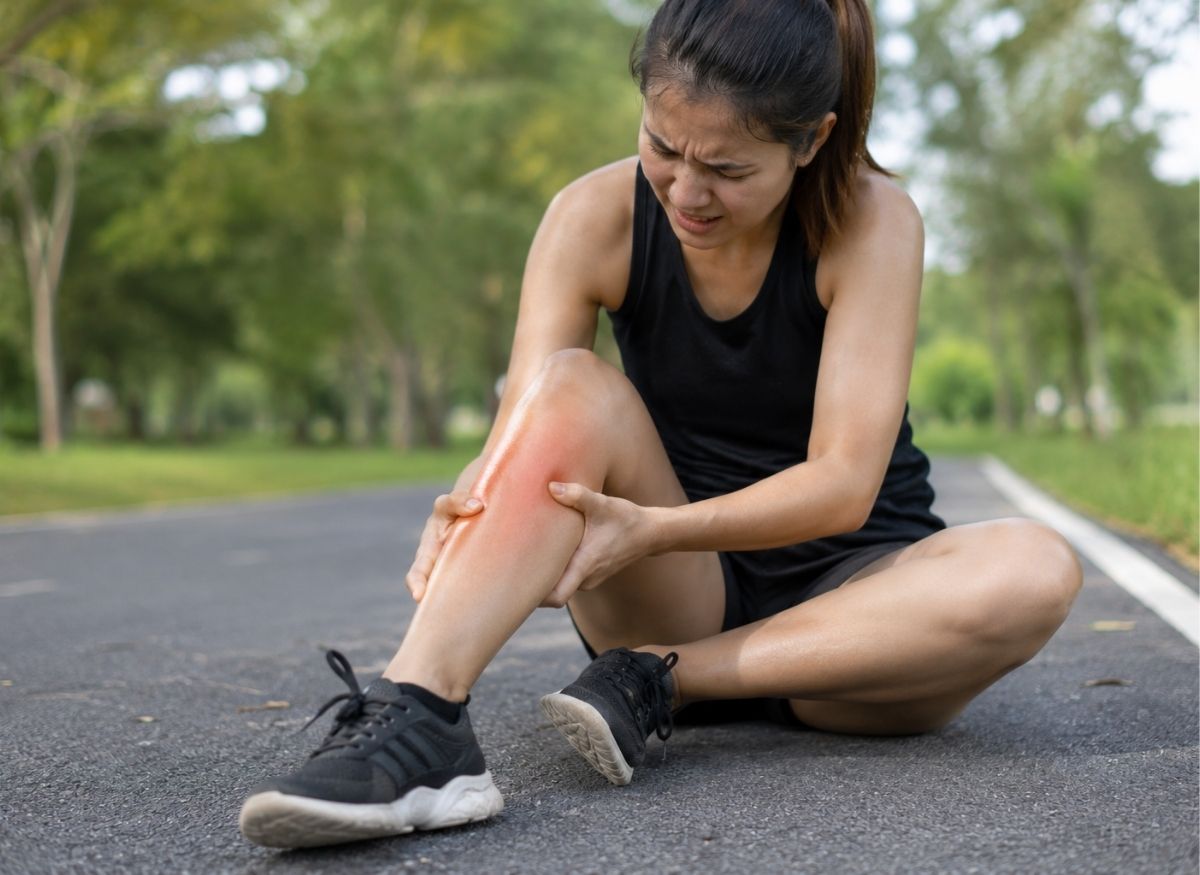
A shin sprain can cause pain and discomfort in the lower leg, especially after running, jumping, twisting, or other demanding activities. Although the term “shin sprain” is often used broadly, many cases of ongoing shin pain are actually related to Medial Tibial Stress Syndrome (MTSS), commonly known as shin splints.
Pain, tenderness, swelling, and difficulty walking can make everyday activities uncomfortable. Athletes, runners, dancers, and other active people may be especially vulnerable because of repetitive impact and sudden changes in activity levels.
Understanding what causes shin pain and how to reduce stress on the lower legs can help prevent recurring problems. In this guide, we’ll look at seven common causes of shin splints and related lower-leg injuries, along with practical ways to support recovery and prevention.
What Exactly Are Shin Splints/Shin Sprain (Medial Tibial Stress Syndrome)?
The term “shin sprain” is sometimes used to describe almost any pain in the lower leg. However, persistent pain along the shin is often caused by Medial Tibial Stress Syndrome, or MTSS, which is commonly called shin splints.
MTSS is an overuse injury that develops when repeated stress is placed on the lower leg. The muscles, tendons, and tissues surrounding the tibia, or shinbone, can become irritated when the body does not have enough time to recover between activities.
A true ligament sprain is different. It usually involves a sudden injury that stretches or tears a ligament. Understanding this distinction can help you recognize whether your pain is more consistent with an overuse problem or an acute injury.
The Progression of MTSS Symptoms
Unlike an injury caused by one sudden twist or impact, shin splints generally develop gradually. The pain is often spread across a relatively broad area along the inner edge of the shin rather than being limited to one small point.
Symptoms may become more noticeable as the condition progresses.
- The Early Stage: Pain may appear when you first begin running or exercising and sometimes becomes less noticeable as you warm up. An ache may return later in the day or after your workout.
- The Intermediate Stage: Pain may continue throughout your workout and become more noticeable during activity. The inside of the shin can also become tender, and mild swelling may occur.
- The Advanced Stage: Severe cases can cause persistent pain even when you are resting or walking. Pain that continues outside of exercise should be taken seriously because it may indicate a more significant bone stress injury.
High-Risk Groups: Who Overloads the Tibia?
People who repeatedly place high levels of stress on their lower legs are more likely to develop shin problems.
Distance Runners: Running involves repeated impact with every stride. New runners and people who increase mileage too quickly may be especially vulnerable because their muscles and bones need time to adapt.
Dancers and Performing Artists: Ballet, gymnastics, and other activities that involve repeated jumping and landing can place considerable stress on the lower legs.
Military Recruits: Military training can involve a sudden increase in running, marching, carrying heavy equipment, and other demanding activities. This rapid change in workload can increase the risk of shin pain and other overuse injuries.
Stop-and-Start Athletes: Basketball, soccer, tennis, and rugby require frequent acceleration, stopping, jumping, and changes in direction. These movements can place repeated stress on the lower leg.
Differentiating Your Leg Pain: Sprain vs. Strain vs. MTSS
Knowing how an injury happened can provide useful clues about what may be causing the pain.
A true sprain involves a ligament that has been stretched or torn. In the lower leg, ligament injuries can occur after a significant twisting movement or other traumatic event.
A muscle strain, sometimes incorrectly called a muscle sprain, affects muscle fibers or tendons. A calf strain, for example, may happen during a sudden push-off or explosive movement.
Shin splints are different from both. MTSS is generally an overuse condition that develops from repeated loading rather than one sudden accident.
Trauma Trajectories Across the Skeletal System
Lower-leg problems can occur alongside other sports and activity-related injuries. Different types of injuries affect different tissues and require different approaches to care.
- Somatic Back Trauma: Lifting with poor technique can strain the muscles of the back and cause pain that requires rest and gradual rehabilitation.
- Upper Extremity Traumas: Falling on an outstretched hand can cause a sprained wrist, while an impact to a finger or thumb can result in a jammed joint.
- Lower Body Sports Injuries: Hyperextending the big toe during sports can cause turf toe, another type of acute injury that may require rest and protection.
7 Root Causes of Shin Splints/Shin Sprain
Although people often describe persistent lower-leg pain as a shin sprain, many cases are more consistent with MTSS or shin splints.
Shin splints typically develop when repetitive stress exceeds the body’s ability to recover. Several factors can contribute to this process, including training habits, footwear, foot structure, surfaces, muscle strength, and running mechanics.
Overuse from Repetitive Activity
One of the most common causes of shin splints is repetitive, high-impact activity.
Running, jumping, and dancing repeatedly expose the lower legs to ground forces. The muscles around the shin work continuously to absorb and control these forces.
When training volume becomes greater than the body’s ability to recover, irritation can develop in the tissues surrounding the tibia. The problem is usually related to cumulative stress rather than one individual workout.
Improper or Worn-Out Footwear
Shoes help absorb and distribute some of the forces created when your feet hit the ground. Footwear that is worn out or poorly suited to your activity may increase stress on the lower legs.
- Loss of Cushioning: Running shoes gradually lose some of their cushioning and structural support with use. Continuing to train in heavily worn shoes may increase discomfort and impact-related stress.
- Poor Support: Footwear should be appropriate for your individual needs and activity. Shoes that do not provide adequate support or comfort may contribute to fatigue and altered movement patterns.
Problematic Foot Anatomy
Natural differences in foot structure can affect how forces travel through the legs.
Flat Feet (Pes Planus) and Overpronation
People with flatter arches may be more likely to overpronate, meaning the foot rolls inward excessively while walking or running. This can change the alignment of the lower leg and increase stress on muscles and tissues around the shin.
High Arches (Pes Cavus) and Underpronation
High, rigid arches may provide less natural shock absorption. This can cause more impact to travel through the lower extremity and may contribute to discomfort during repetitive activities.
Training on Hard or Uneven Surfaces
The surface you exercise on can influence how much stress your lower legs experience.
- Unforgiving Terrain: Concrete and asphalt are firm surfaces that provide little cushioning. Repeated running on these surfaces can increase the impact placed on the legs.
- Cambered and Uneven Surfaces: Sloped roads and uneven trails can change the way your feet land. The muscles responsible for balance and stability may have to work harder, particularly when you train on uneven terrain for long periods.
Sudden Spikes in Training Volume (“Too Much, Too Soon”)
Your muscles and bones need time to adapt to increased physical activity. Increasing mileage, workout duration, speed, or intensity too quickly can overwhelm that adaptation process.
For example, suddenly doubling your weekly running distance or adding several intense workouts without building a suitable base can increase the stress placed on the tibia and surrounding tissues.
Gradual progression and adequate recovery give the body more time to adapt and repair itself.
Muscle Imbalances in the Core and Lower Leg
The muscles throughout your body work together during movement. Weakness or tightness in one area can affect how another part of the body handles physical stress.
- The Lower Leg Tug-of-War: Tight calf muscles combined with weakness in the muscles around the shin can affect how the lower leg absorbs and controls impact.
- Proximal Weakness (Hips and Core): Weak hip and core muscles can affect pelvic and knee control during running. Poor movement patterns may then increase stress throughout the lower leg.
Poor Running Form and Inefficient Biomechanics
Running technique can also influence the forces traveling through the lower legs.
- The Perils of Overstriding: Overstriding occurs when the foot lands too far ahead of the body. This can increase braking forces and place additional stress on the lower leg.
- Low Running Cadence: A very low cadence can sometimes be associated with longer strides and greater braking forces. Taking slightly shorter, quicker steps may help some runners reduce excessive impact and improve movement efficiency.
Differentiating Your Injury from Acute Lower Leg Traumas
Understanding the differences between these conditions can help you respond appropriately.
- Shin Splints (MTSS): A gradual overuse condition that usually causes a diffuse ache along the inner edge of the shin.
- True Shin Sprain: An acute ligament injury caused by a sudden traumatic movement or twist.
- Calf Muscle Sprain (Strain): An injury involving the muscles or tendons of the calf, often producing sudden, localized pain during explosive movement.
Comprehensive At-Home Shin Sprain Recovery and First Aid Protocols
Care depends on the type and severity of the injury.
Managing MTSS and Lower Leg Issues
- Enforce Active Rest: If shin pain continues during exercise, stop high-impact activities and switch temporarily to lower-impact options such as swimming or cycling.
- Incorporate Targeted Strengthening: Once everyday and resting pain has improved, gradual strengthening of the lower-leg and calf muscles can help restore function. People with persistent problems may benefit from a professional assessment of their footwear and movement patterns.
First Aid for Other Structural Traumas
If you have another musculoskeletal injury, treatment should be based on the affected area.
- Spinal and Core Care: Back strains generally require a temporary reduction in aggravating activities followed by gradual movement and strengthening as symptoms improve.
- Upper Extremity Joint Care: Wrist, finger, and thumb injuries may require protection, temporary immobilization, or evaluation if pain or swelling is significant.
- Lower Body Sports Injuries: Turf toe may require rest, footwear modifications, and temporary restrictions on activities that place stress on the big toe.
How Can You Fix Active Shin Splints/Shin Sprain?
Treating active shin pain starts with reducing the activity that caused the problem. Once symptoms settle, gradual stretching and strengthening can help restore lower-leg function.
Because persistent shin pain can sometimes be related to a stress injury, it is important not to push through severe or worsening symptoms.
Phase 1: Immediate Inflammation Control (The R.I.C.E. Protocol)
For an acute injury involving swelling, the traditional R.I.C.E. approach can provide short-term support.
Rest: Reduce or stop activities that make the pain worse. High-impact exercise should be avoided while symptoms are active.
Ice: A wrapped cold pack can be applied for short periods to help temporarily reduce pain and swelling. Avoid placing ice directly against the skin.
Compression: A comfortable compression sleeve or bandage may help with swelling. It should not be tight enough to cause numbness, tingling, discoloration, or increased pain.
Elevation: When swelling is present, raising the affected leg while resting may help reduce fluid buildup.
For suspected shin splints, however, prolonged reliance on R.I.C.E. alone is not enough. The underlying training or biomechanical factors also need to be addressed.
Phase 2: Restoring Flexibility (Targeted Lower Leg Stretches)
Once acute pain has settled, gentle stretching can help maintain flexibility in the lower-leg muscles.
Gastrocnemius (Upper Calf) Stretch: Stand facing a wall and place your hands against it. Step one foot backward while keeping that heel on the floor and the back leg straight. Gently bend the front knee and lean forward until you feel a comfortable stretch in the upper calf. Hold for about 30 seconds and repeat two to three times on each side.
Soleus (Lower Calf) Stretch: Use the same wall position, but slightly bend the back knee while keeping the heel on the ground. This changes the stretch and places more emphasis on the soleus. Hold for about 30 seconds and repeat two to three times per side.
Anterior Tibialis (Shin) Stretch: Kneel on a soft surface with the tops of your feet resting on the floor. Slowly sit back toward your heels until you feel a gentle stretch along the front of the lower legs. Stop if you experience sharp or increasing pain.
Phase 3: Building Resilience (Low-Impact Strength Training)
Strengthening the lower legs can help improve their ability to handle physical demands.
Heel Walks and Toe Walks: Walk across a room on your heels with your toes lifted for 30 to 60 seconds. Then rise onto the balls of your feet and walk for another 30 to 60 seconds. Begin with shorter periods if these movements cause discomfort.
Wall Toe Raises: Stand with your back against a wall and keep your heels on the floor. Lift the front of your feet toward your shins, pause briefly, and slowly lower them. Perform two to three sets of 15 to 20 repetitions as tolerated.
Resisted Ankle Dorsiflexion: Sit with your legs extended and place a resistance band around the top of your foot. Pull your foot toward your shin against the resistance, then slowly return to the starting position. Perform controlled repetitions without forcing the movement.
Differentiating Overuse from Traumatic Leg Injuries
During recovery, pay attention to how the injury started and how the pain behaves.
Shin splints generally develop gradually after repeated activity. A true ligament sprain, by comparison, is usually linked to a sudden twisting or traumatic event.
A sudden snap or sharp pain in the calf may suggest a muscle strain rather than MTSS. These conditions have different causes and may require different treatment approaches.
Cross-System Injury Care and Rehabilitation
If you are dealing with other sports-related injuries at the same time, each problem should be managed according to the tissue involved.
- Spinal and Lower Back Care: Reduce heavy lifting and movements that aggravate a back strain. Gradually restore mobility and strength as symptoms improve.
- Upper Body Extremity Splinting: Wrist, finger, and thumb injuries may benefit from temporary protection or immobilization. Persistent pain or significant swelling should be evaluated.
- Lower Extremity Ligament Care: Turf toe and other toe injuries may require rest, supportive footwear, and a gradual return to activity.
Best Ways to Prevent Future Shin Splints/Shin Sprain
Preventing recurring shin pain involves managing training load, choosing appropriate footwear, strengthening the body, and allowing enough recovery time.
Instead of relying on one prevention method, use several strategies together to reduce repeated stress on the lower legs.
Footwear Optimization and Biomechanical Support
Comfortable, well-fitting footwear can help support the feet and reduce unnecessary stress during exercise.
Secure a Professional Gait Analysis
If shin pain continues to return, a running or sports professional can assess your walking or running mechanics. A gait assessment may help identify movement patterns that could be contributing to symptoms.
- Overpronation Support: Some people with excessive inward foot rolling may benefit from footwear designed to provide additional stability.
- High-Arch Cushioning: People with rigid, high arches may prefer footwear with additional cushioning and flexibility.
There is no single shoe that works for everyone, so comfort, activity type, fit, and individual biomechanics should all be considered.
Strictly Enforce the Mileage Rule
Running shoes gradually wear down with use. Rather than relying on a specific mileage number for every pair, monitor the condition of your shoes and replace them when the cushioning, structure, or comfort has noticeably deteriorated.
Training Progression and the 10 Percent Rule
The body needs time to adapt when physical demands increase.
Apply the 10 Percent Rule: The commonly used 10 percent guideline suggests increasing weekly training volume gradually rather than making large jumps. However, it is a general guideline rather than a strict medical rule. Your appropriate training progression depends on your fitness level, activity, recovery, and injury history.
For example, someone running 20 miles per week might increase gradually rather than suddenly adding another 10 or 20 miles.
Schedule Deload and Recovery Weeks: Recovery is an important part of training. Include rest days and periodically reduce training volume when fatigue builds up. This gives muscles, tendons, and bones time to recover.
Integrating Cross-Training and Kinetic Strength
Cross-training allows you to maintain fitness while reducing repeated impact on the shins.
Low-Impact Aerobic Alternatives: Swimming, water running, cycling, and elliptical training can provide cardiovascular exercise with less impact than running.
Strengthen the Proximal Kinetic Chain: Strengthening the hips, glutes, and core can improve stability and movement control. Exercises that target these areas may help create more efficient movement patterns during running and other activities.
Differentiating Overuse from Traumatic Leg Injuries
Chronic shin splints and acute injuries should not be treated as the same condition.
Shin splints generally develop gradually from repeated loading. A ligament sprain usually occurs suddenly after a traumatic movement. A calf strain can also happen suddenly and may cause sharp, localized pain.
If the cause or type of injury is unclear, especially when pain is severe or persistent, professional evaluation can help determine the appropriate treatment.
Comprehensive Structural Care Across the Body
A balanced fitness routine should protect more than just the shins.
Spinal and Core Care: Use proper lifting technique and avoid increasing resistance too quickly. If back pain develops, reduce aggravating activities and gradually return to strengthening as symptoms improve.
Upper Body Joint Management: Sports-related wrist, finger, and thumb injuries may require temporary protection and reduced activity until the affected joint improves.
Lower Extremity Functional Support: Proper footwear and gradual progression can also help reduce the risk of injuries such as turf toe and other lower-extremity problems.
When Should You Be Concerned About Lower Leg Pain or Shin Sprain?
Not every case of lower-leg pain is a simple case of shin splints. Persistent, severe, or unusual symptoms can sometimes indicate a more serious problem.
Seek medical evaluation if pain is severe, occurs at rest, becomes increasingly focused in one small area, causes difficulty bearing weight, or is accompanied by numbness, tingling, weakness, or significant swelling.
Shin Splints vs. Tibial Stress Fracture: Diffuse vs. Pinpoint
One important distinction is between MTSS and a tibial stress fracture.
The Pain Profile Differentiator
Shin Splints: Pain is usually spread across a broader area along the inner edge of the shin. It often develops during or after repetitive activity.
Stress Fracture: Pain is more likely to be localized to a specific point on the bone and may progressively worsen. In more advanced cases, pain can occur even during rest.
The “Hop Test” and Imaging
A hop test may sometimes reproduce pain associated with a bone stress injury, but it should not be used as a reliable way to diagnose or rule out a stress fracture at home. If a stress fracture is suspected, a healthcare professional can determine whether imaging is needed.
Early stress injuries may not always be visible on standard X-rays. Depending on the situation, additional imaging such as an MRI may be recommended.
Chronic Exertional Compartment Syndrome (CECS): A Pressure Problem
Chronic Exertional Compartment Syndrome is another condition that can sometimes resemble other causes of exercise-related lower-leg pain.
The lower leg contains muscle compartments surrounded by connective tissue. During exercise, muscles naturally swell. In people with CECS, pressure within a compartment can become abnormally high and affect nearby nerves and blood vessels.
Differentiating Patterns of CECS
- The Sensation: Pain may feel tight, burning, cramping, or intense within the affected muscle compartment.
- The Timeline: Symptoms often begin at a predictable point during exercise and become worse until the activity stops. They may improve relatively quickly after resting.
- Neurological Red Flags: Numbness, tingling, weakness, or difficulty moving the foot can occur and should not be ignored.
A sports medicine specialist can evaluate recurring exercise-related symptoms and determine whether further testing, including compartment pressure testing, is appropriate.
Navigating the Broader Leg Injury Spectrum
Several lower-leg conditions can cause similar symptoms but have different causes.
- Tibial Stress Fracture: A bone stress injury that usually produces more localized pain and may worsen with continued activity.
- Chronic Exertional Compartment Syndrome (CECS): A condition associated with increased pressure within a muscle compartment during exercise, often causing predictable pain and possible neurological symptoms.
- True Shin Sprain: An acute ligament injury caused by a traumatic event.
- Calf Muscle Sprain (Strain): An acute injury involving the calf muscles or tendons, often causing sudden localized pain.
Conclusion
Shin pain can interfere with running, sports, exercise, and everyday movement, but many risk factors can be managed. Paying attention to training volume, footwear, exercise surfaces, running technique, flexibility, and muscle strength can help reduce unnecessary stress on the lower legs.
If shin pain develops, reducing high-impact activity and allowing time for recovery can help. Gentle rehabilitation and gradual strengthening may support a safe return to activity once symptoms improve.
Persistent, severe, or worsening pain should not simply be pushed through. A healthcare professional can help determine whether the problem is shin splints, a stress injury, a muscle strain, or another condition.
With sensible training progression, appropriate footwear, regular recovery, and attention to warning signs, active individuals can reduce their risk of recurring shin problems and maintain healthy, functional lower legs.
FAQ
What exactly is a shin sprain?
“Shin sprain” is a general term sometimes used for pain or injury in the lower leg. A true sprain involves a ligament, while persistent shin pain from repetitive activity is often related to shin splints or another overuse condition. Symptoms may include pain, tenderness, swelling, and difficulty with movement.
What are the most common causes of shin sprains?
Common contributors to shin pain include repetitive activity, sudden increases in training, worn or unsuitable footwear, running on hard or uneven surfaces, muscle weakness or tightness, poor movement mechanics, and sudden twisting injuries.
How can I prevent shin sprains?
Wear comfortable and appropriate footwear, warm up before demanding activities, increase training gradually, strengthen the lower legs and hips, vary your workout surfaces when possible, and allow enough recovery between intense sessions.
How is a shin sprain treated?
Treatment depends on the underlying injury. Reducing painful activities, using short periods of ice for comfort, managing swelling, and gradually returning to activity may help mild problems. Persistent or severe pain may require evaluation by a healthcare professional and a structured rehabilitation plan.
When should I see a doctor for a shin sprain?
Seek medical attention if you have severe or worsening pain, significant swelling, difficulty bearing weight, pain at rest, a highly localized tender spot on the bone, numbness, tingling, weakness, or symptoms that do not improve with rest. These signs can indicate a stress fracture, nerve problem, compartment syndrome, or another injury that needs professional assessment.