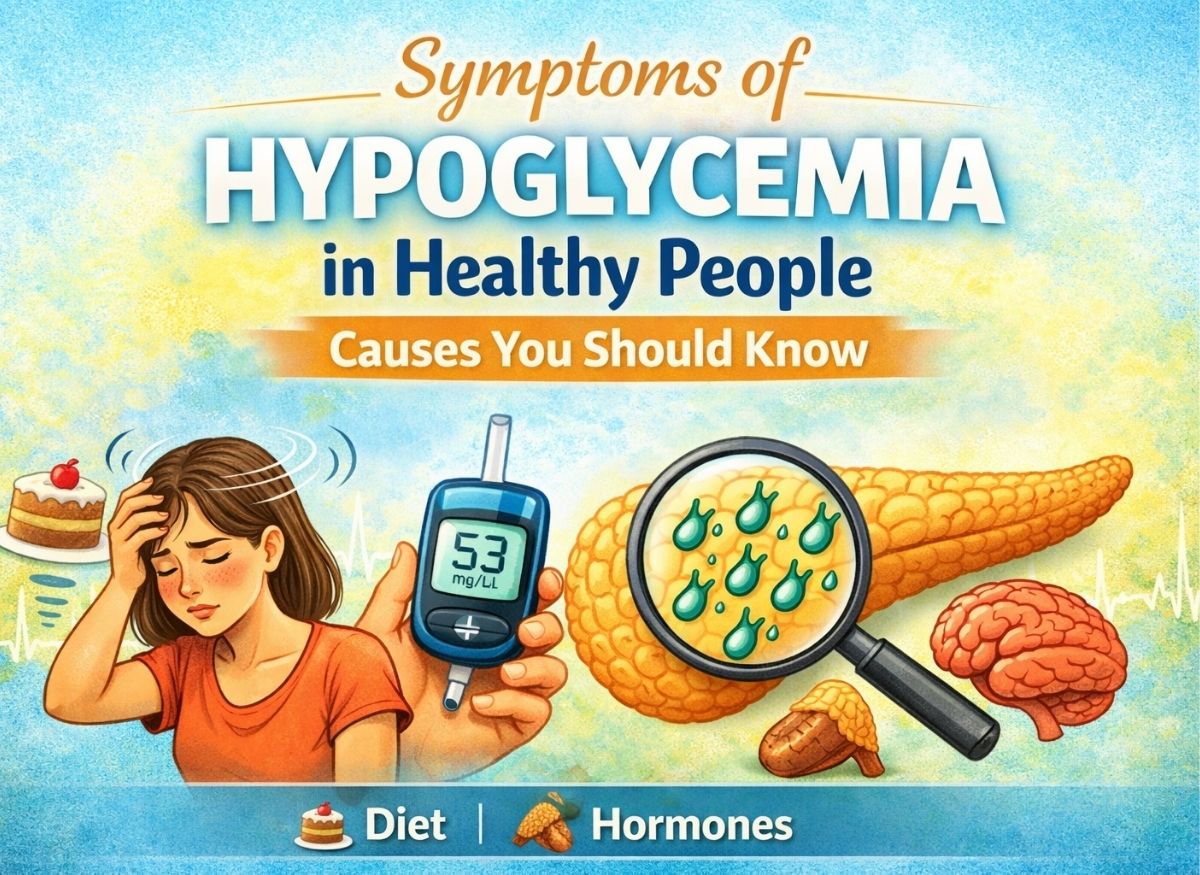
Symptoms of Hypoglycemia in Healthy People: Causes You Should Know
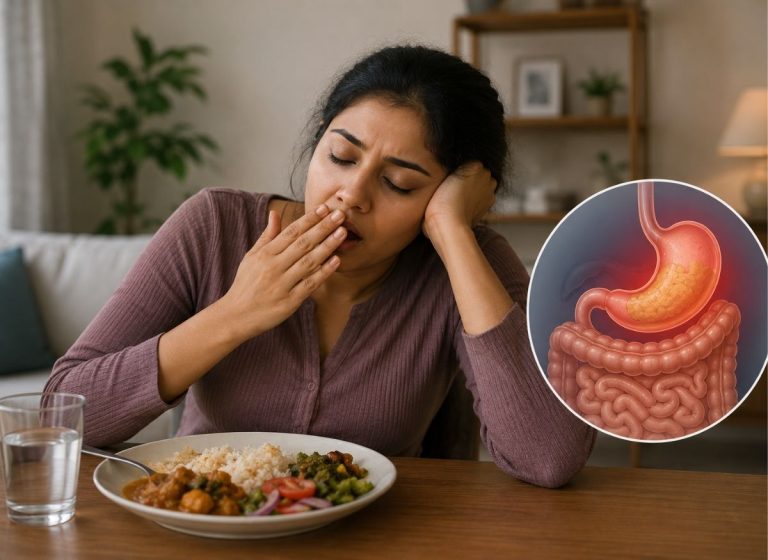
Low blood sugar can strike without warning, even in people who think of themselves as perfectly healthy. A sudden spell of dizziness, trembling hands, abrupt tiredness, or a strong craving for something sweet can be bewildering, especially when no medical condition is known. Many people shrug these moments off as stress or hunger, never realizing they could be early signs of a deeper imbalance.
The symptoms of hypoglycemia appear when blood glucose falls below what the body needs to run properly. The condition is often associated with diabetes, but it can affect people who don’t have it. Erratic eating, diets heavy in sugar, strenuous exercise, alcohol, and hormonal shifts can all cause blood sugar to drop unexpectedly.
The difficulty is that these symptoms are often faint at first and easy to overlook. Left unchecked, they can worsen fast, interfering with focus, mood, and coordination. Knowing why they happen, even in otherwise healthy people, is key to preventing more serious episodes.
This article covers what triggers the symptoms of hypoglycemia in healthy people, how to spot them early, and which steps help keep your energy steady and prevent sudden drops.
What Causes Symptoms of Hypoglycemia in Healthy People?
The main cause is an overcorrection in the body’s blood sugar regulation, usually set off by eating patterns that produce a rapid spike in glucose followed by a steep fall. Often called non-diabetic hypoglycemia, this happens when the body releases more insulin than necessary after high-glycemic foods, so blood sugar drops too fast. That is why symptoms can show up in people without diabetes.
To see why this happens, it helps to define the condition, understand how the body responds to food, and identify the triggers that upset normal glucose balance.
Understanding Non-Diabetic Hypoglycemia
Non-diabetic hypoglycemia means blood glucose drops low enough to cause symptoms in someone who does not have diabetes. It is not considered a disease but a functional imbalance in how the body handles glucose. Its defining feature is symptoms such as shakiness, sweating, anxiety, or dizziness that ease after eating carbohydrates.
Often, the organs that regulate glucose, including the pancreas and liver, are structurally normal. Their responses to blood sugar changes, however, may be poorly coordinated, creating temporary imbalances that produce symptoms.
How Blood Sugar Regulation Leads to Symptoms
To understand the mechanism, it helps to look at how the body normally processes carbohydrates.
- Normal response: After a meal, carbohydrates are broken down into glucose that enters the bloodstream. The pancreas releases a measured amount of insulin to move glucose into cells for energy, keeping levels steady.
- Exaggerated response: In some people, particularly after meals high in refined carbohydrates or simple sugars, the pancreas releases more insulin than needed, clearing glucose from the blood too quickly.
- The drop and the symptoms: As glucose falls rapidly, symptoms begin. This sudden decline, often called a “sugar crash,” usually occurs a few hours after eating. It is most closely tied to reactive hypoglycemia, the most common form in otherwise healthy people.
In healthy people, these symptoms are usually linked to how the body handles certain foods rather than to an underlying disease. High-sugar meals, irregular eating, or unbalanced nutrition can cause the swings that produce them.
Recognizing these patterns and how your body responds makes it easier to prevent and manage symptoms through more balanced food choices and regular eating habits.
What Are the Common Symptoms of Hypoglycemia?
Symptoms fall into two groups: adrenergic symptoms, caused by hormones released as the body tries to correct falling glucose, and neuroglycopenic symptoms, caused by the brain not getting enough glucose. Recognizing both is essential for catching an imbalance early and preventing more severe effects.
Symptoms often appear quickly as glucose drops. Most people experience a mix of both types, ranging from mild discomfort to significant impairment.
Adrenergic Symptoms (Hormonal Response)
These usually appear first. They come from hormones such as adrenaline and cortisol, which tell the body to raise glucose availability, and they serve as an early warning system.
- Shakiness or trembling in the hands and body
- A sudden sense of anxiety, nervousness, or irritability
- Heart palpitations or a rapid heartbeat
- Sweating, clamminess, or chills
- Pale skin
These early signs show that blood sugar is falling and should be addressed promptly to stop it dropping further.
Neuroglycopenic Symptoms (Brain-Related Effects)
These occur when the brain lacks enough glucose to work properly. They are more serious and can become dangerous if not treated quickly.
- Dizziness, lightheadedness, or feeling faint
- Confusion or trouble concentrating
- Headache
- Blurred or double vision
- Slurred speech
- Intense hunger or nausea
- Fatigue, weakness, or sluggishness
- In severe cases, loss of consciousness or seizures
As symptoms advance, the ability to respond on your own may decline, which makes early recognition and treatment critical.
Main Dietary Triggers
The most common dietary triggers in healthy people are foods and drinks with a high glycemic index, including refined carbohydrates, sugary beverages, and big meals built around simple sugars. They are absorbed rapidly, sending blood glucose sharply upward and provoking a strong insulin response. Glucose then falls quickly, causing symptoms a few hours after eating.
Refined and simple carbohydrates. Processing strips out fiber, which normally slows digestion, so glucose reaches the bloodstream fast.
- Examples: white bread, white rice, pasta made from refined flour, pastries, cakes, cookies, and many breakfast cereals
- Mechanism: quick absorption causes a spike in blood sugar, followed by a reactive drop within a few hours
Sugary drinks and foods. Liquids are absorbed faster than solids, making sugary beverages a strong trigger.
- Examples: soda, fruit juice from concentrate, sweetened teas, energy drinks, and candy
- Mechanism: a sudden flood of sugar prompts a strong insulin response that may lower blood sugar too fast
Large, carbohydrate-heavy meals. Eating a lot of carbohydrate at once, especially after fasting, can overwhelm the body’s ability to manage insulin efficiently.
- Example: a large meal of pasta, bread, and dessert without enough protein or fat
- Mechanism: the heavy carbohydrate load boosts insulin release, raising the risk of a rapid fall afterward
Understanding both the early warning signs and the dietary triggers can help you prevent sudden drops and keep energy more stable through the day.
Types of Hypoglycemia in Non-Diabetics
There are two main types: reactive hypoglycemia and fasting hypoglycemia. They are classified by when symptoms occur in relation to meals. The distinction matters because each has different causes and needs a different approach, and noticing when your symptoms appear can reveal the underlying pattern and guide what to do.
Reactive Hypoglycemia
Reactive hypoglycemia, also called postprandial hypoglycemia, produces symptoms within two to four hours after eating. It is the most common form in healthy people and usually relates to how the body responds to certain foods, particularly those high in simple carbohydrates.
Symptoms such as shakiness, anxiety, and weakness appear after a meal rather than during fasting. They are a direct reaction to how the body handles glucose, hence the word “reactive.” The underlying mechanism is an exaggerated or badly timed insulin response, which unfolds step by step:
- High-glycemic foods are eaten. A meal rich in refined carbohydrates or sugars is consumed.
- Glucose rises rapidly. These foods are digested quickly, sharply increasing glucose levels.
- Excess insulin is released. The pancreas releases a large amount of insulin, sometimes more than needed or slightly late.
- Glucose drops quickly. The extra insulin clears glucose from the blood too efficiently, pushing levels below normal.
- Symptoms begin. The sudden fall leaves the brain and body short of glucose, triggering symptoms.
Reactive hypoglycemia is more likely in people with early insulin resistance or those who have had certain stomach surgeries. It is not usually tied to serious disease, but it reflects an imbalance in glucose regulation.
Fasting Hypoglycemia
Fasting hypoglycemia, also called postabsorptive hypoglycemia, produces symptoms after long stretches without food, such as overnight or between meals. Unlike the reactive type, it is not triggered by eating but by the body’s failure to keep glucose stable while fasting. It is less common but more clinically significant, and in this context symptoms often point to an underlying problem with glucose production or hormone regulation.
During fasting, the body depends on processes such as gluconeogenesis, in which the liver makes glucose from non-carbohydrate sources. Fasting hypoglycemia develops when these processes fail or fall short. Several factors can contribute:
- Hormonal deficiencies: Low cortisol or growth hormone weakens the body’s ability to counter falling glucose.
- Liver or kidney disease: The liver is central to glucose production, so severe impairment can limit it, while kidney disease can affect metabolism and hormone balance.
- Tumors such as insulinoma: Certain tumors produce excess insulin regardless of food intake, causing persistent symptoms.
- Medications: Some drugs, including certain antibiotics, heart medications, or high doses of salicylates, may cause low blood sugar during fasting.
- Excessive alcohol: Alcohol can block the liver from producing glucose, especially when drunk without food, raising the risk of symptoms hours later.
How Reactive and Fasting Hypoglycemia Differ
The two differ in when symptoms appear and what drives them. Both lead to low blood sugar, but the pattern of symptoms offers clues about the cause and the right way to manage it.
Reactive hypoglycemia is closely tied to meals. Symptoms typically show up two to four hours after eating, especially after meals high in refined carbohydrates or sugar. The body releases insulin to handle rising glucose, but the response can be excessive, causing a fast drop in blood sugar and symptoms such as shakiness, fatigue, or irritability. Because it is driven by how the body reacts to food rather than by disease, it is often considered a functional problem.
Fasting hypoglycemia follows a different pattern. Symptoms develop after the body has gone a long time without food, such as overnight or after skipped meals. Instead of following a recent glucose spike, it reflects an inability to hold glucose steady during fasting, because the mechanisms that normally release glucose, including liver function and hormonal regulation, may not be working well.
The causes differ too. Reactive hypoglycemia is often triggered by diet: sugary drinks, refined carbohydrates, or large, unbalanced meals. Fasting hypoglycemia is more often linked to underlying conditions such as hormone deficiencies, liver or kidney disease, certain medications, or heavy drinking, and occasionally to rare conditions affecting insulin production.
The way symptoms build can also help. In reactive hypoglycemia they tend to appear suddenly a few hours after a meal, while in fasting hypoglycemia they may develop more gradually as glucose declines over time.
In practice, timing gives the clearest indication. If symptoms consistently follow meals, especially carbohydrate-heavy ones, reactive hypoglycemia is more likely. If they occur during fasting periods, such as early morning or after missed meals, fasting hypoglycemia should be considered, and a medical evaluation is recommended to find the cause and guide care.
Deeper Connections and Distinctions
Non-diabetic hypoglycemia is complex, with symptoms arising from several possible causes, including responses to food, hormonal imbalances, and changes after certain medical procedures. Understanding it requires distinguishing it clearly from diabetic hypoglycemia, since causes, evaluation, and management differ significantly. Looking at hormonal regulation, the effects of surgery, and the diagnostic approaches used helps explain why these symptoms occur in people without diabetes.
Diabetic vs. Non-Diabetic Hypoglycemia
The main difference lies in cause and management. Diabetic hypoglycemia is usually treatment-related: it occurs when insulin or glucose-lowering medication, food intake, and physical activity fall out of balance. For people with diabetes, these symptoms are a known risk of treatment and call for ongoing monitoring.
Management there centers on immediate correction with fast-acting carbohydrates, followed by longer-acting food to stabilize levels, plus adjustments to medication, diet, or activity to prevent a repeat.
Non-diabetic hypoglycemia, by contrast, stems from internal physiological processes rather than medication. Symptoms may come from an exaggerated insulin response after eating, or from conditions such as hormonal deficiencies or tumors that disrupt glucose regulation. Management focuses on finding the cause and making targeted dietary or medical changes.
Key distinctions:
- Cause: Diabetic hypoglycemia results from external, treatment-related factors, while non-diabetic hypoglycemia results from internal imbalances in glucose regulation.
- Frequency: Symptoms are fairly common in people with diabetes, especially those using insulin. Non-diabetic hypoglycemia is less common and may warrant further investigation when it occurs.
- Diagnosis: In diabetes, evaluation often involves reviewing recent food, medication, and activity. For non-diabetic people, finding the cause may need more detailed testing, including fasting studies or controlled meal tests that show how the body responds.
The Role of Hormonal Imbalances
Hormones are central to blood sugar regulation, and when the system is disrupted, symptoms can arise directly or become more pronounced. The body relies on coordinated hormones to keep glucose stable. Insulin lowers blood sugar, while several counter-regulatory hormones raise it when levels begin to fall: glucagon, epinephrine (adrenaline), cortisol, and growth hormone.
When this balance is impaired, symptoms develop more easily. Low cortisol, often seen in adrenal insufficiency, reduces the body’s ability to produce glucose during fasting, making stable levels harder to maintain. A growth hormone deficiency can likewise contribute to low blood sugar, particularly during fasting, and is seen more often in children.
Many symptoms are caused not by low glucose itself but by the body’s hormonal reaction to it. The classic signs of shakiness, sweating, anxiety, and a pounding heart are triggered by adrenaline, part of the body’s emergency mechanism for restoring glucose quickly.
How hormonal dysregulation shapes symptoms:
- Adrenal function and cortisol balance: The adrenal glands help maintain blood sugar by producing cortisol. Chronic stress can disrupt how cortisol is released. Elevated cortisol can raise blood sugar, but insufficient cortisol impairs the response to falling glucose and raises the risk of symptoms.
- Epinephrine response and symptom intensity: Severity often depends on how strongly adrenaline is released. In some people, even a moderate dip in blood sugar sets off a strong response, causing noticeable palpitations or anxiety even when glucose isn’t critically low.
- Other endocrine factors: Hormonal systems governed by the pituitary gland also influence glucose regulation, and disruptions there can affect several hormones at once. For this reason, persistent or unexplained symptoms often call for a broader endocrine evaluation.
Why hormonal balance matters. Knowing how hormones influence these symptoms is essential for finding underlying causes and guiding treatment. When hormonal regulation falters, the body’s ability to keep glucose stable becomes less dependable, raising the chance of repeat episodes. Addressing these imbalances through proper evaluation and management can reduce symptoms and improve metabolic stability.
Managing Symptoms Through Diet and Lifestyle
You can manage symptoms effectively with a structured eating approach that stabilizes blood sugar and consistent lifestyle changes that limit rapid swings. The goal is to prevent the sharp spikes and sudden drops that trigger symptoms, by choosing foods that release glucose steadily, eating at regular intervals, and adding exercise in a controlled way.
With balanced nutrition and predictable routines, it becomes easier to lessen how often and how intensely symptoms occur and to keep energy steady all day.
Foods That Help Prevent Symptoms
Choose foods that digest slowly and release glucose gradually: complex carbohydrates, lean proteins, and healthy fats. Together they prevent sudden blood sugar changes and support lasting energy.
Complex carbohydrates. Their fiber slows digestion, so glucose rises gradually instead of spiking.
- Examples: whole grains such as oats, quinoa, brown rice, and barley; legumes like lentils and beans; starchy vegetables including sweet potatoes and peas; and whole fruits such as apples and berries
- Mechanism: fiber slows the movement of glucose into the bloodstream, reducing the fluctuations that lead to symptoms
Lean proteins. Protein moderates how carbohydrates are absorbed and helps you feel full.
- Examples: chicken, turkey, fish, eggs, Greek yogurt, tofu, and lean cuts of beef
- Mechanism: protein slows stomach emptying, helping prevent rapid rises and falls in blood sugar
Healthy fats. These slow digestion further and provide sustained energy.
- Examples: avocado, nuts, seeds, and olive oil
- Mechanism: fat delays digestion, leading to a steadier, more controlled release of glucose
Eating Habits That Stabilize Blood Sugar
Consistent habits matter a great deal. When and how you eat is as important as what you eat.
- Eat smaller, more frequent meals: Spacing meals and snacks every 3 to 4 hours keeps glucose supply steady and prevents sudden drops. It also lowers the odds of large insulin surges that trigger symptoms.
- Don’t skip breakfast: A balanced meal soon after waking restores energy after the overnight fast. Skipping it can raise the risk of symptoms later in the day.
- Balance macronutrients at every meal: Pairing carbohydrates with protein and fat regulates glucose absorption and prevents rapid shifts. For instance, fruit with nuts or yogurt produces a steadier response than carbohydrates alone.
- Limit trigger foods: Cutting back on refined sugars, processed carbohydrates, and sugary drinks helps avoid the spikes and drops that cause symptoms.
How Exercise Affects Symptoms
Exercise can either help or worsen symptoms depending on how it is managed. Activity raises insulin sensitivity and lets muscles use glucose more efficiently, supporting long-term stability. But it also burns glucose for fuel, which can lower blood sugar during and after a workout.
Benefits
- Improves insulin sensitivity, lowering the risk of an excessive insulin response
- Boosts glucose uptake by muscles, supporting overall metabolic balance
Risks during and after exercise
- Long or intense activity can deplete glucose and trigger symptoms
- Blood sugar may keep dropping after exercise as the body restores its energy stores
Tips for exercising safely. Preparation and monitoring reduce the risk.
- Eat a small, balanced snack with carbohydrates and protein 30 to 60 minutes before activity
- Watch for warning signs such as dizziness, shakiness, or weakness, and respond quickly
- Try different exercise times to see what suits your body
- Stay hydrated to support overall glucose regulation
When to See a Doctor
Seek medical advice if symptoms occur often, grow more severe, or happen without a clear trigger. Occasional episodes can stem from diet or lifestyle, but repeated ones may point to an underlying issue that needs evaluation.
Consult a healthcare professional if symptoms become more frequent than usual, particularly if they occur despite regular meals and balanced nutrition. Worsening severity, such as confusion, trouble concentrating, or near-fainting, is another sign you need medical attention.
A key warning sign is hypoglycemia unawareness, in which early symptoms like shakiness or sweating are no longer noticed. It raises the risk of severe episodes because treatment may be delayed until symptoms become dangerous.
Evaluation is also advisable if symptoms occur during fasting, after very little physical activity, or without an obvious dietary cause. These patterns may suggest problems with hormone levels, liver function, medication effects, or other underlying conditions.
Before your appointment, keep a detailed record of symptoms, meals, activity, and timing to help reveal patterns and support an accurate diagnosis. Your provider may recommend further testing, adjust dietary advice, or look into other causes to ensure safe, effective long-term management. Timely medical guidance helps prevent complications and ensures your symptoms are properly understood and controlled.
Conclusion
The symptoms of hypoglycemia are not limited to people with a diagnosed medical condition. They can affect anyone when the balance between glucose intake, energy use, and hormonal regulation is disturbed.
Recognizing them early allows faster action and lowers the risk of more severe effects. Small, consistent changes to eating habits, activity, and daily routines can make a big difference in keeping blood sugar stable.
It is worth looking closely at how your body responds through the day. Do symptoms appear after particular meals, during stressful periods, or after physical exertion? Spotting these patterns can help prevent future episodes and improve your stability.
If symptoms occur frequently, feel intense, or disrupt daily life, seek medical advice. Understanding the underlying cause is the key to long-term management and prevention.
With greater awareness and a more balanced approach to food and lifestyle, you can reduce these symptoms and maintain steady energy throughout the day.
FAQs
Can symptoms happen after eating healthy foods?
Yes. Symptoms can still occur after a meal that seems healthy. This often happens when a meal is high in carbohydrates but low in protein and fat, causing blood sugar to rise and fall rapidly. Balancing your meals can help reduce these symptoms.
How long after eating do symptoms usually appear?
Typically within 2 to 4 hours, especially with reactive hypoglycemia. The exact timing depends on how quickly glucose rises and falls after a meal.
Can these symptoms be mistaken for anxiety or panic attacks?
Yes. A rapid heartbeat, sweating, and nervousness closely resemble anxiety or panic attacks, and the overlap can make it hard to identify the true cause without checking blood sugar.
What foods are most likely to trigger symptoms?
Foods high in refined carbohydrates and sugars, such as white bread, pastries, sugary drinks, and candy. They cause rapid spikes followed by drops in blood sugar.
Why do symptoms feel worse at certain times of day?
They may feel stronger during fasting, after long gaps between meals, or following physical activity. Hormonal fluctuations and energy demands through the day can also affect how intensely they are felt.
Can lifestyle changes alone reduce symptoms?
Yes. Consistent eating habits, balanced meals, regular physical activity, and good hydration can significantly reduce symptoms. Frequent or severe symptoms should still be evaluated by a healthcare professional.