
8 Common Triggers of a Sickle Cell Crisis
A sickle cell crisis can be frightening because it often strikes suddenly, bringing intense pain, fatigue, breathing trouble, or other serious symptoms. It happens when sickle-shaped red blood cells become stiff, sticky, and unable to glide smoothly through small blood vessels. When these misshapen cells block normal blood flow, oxygen struggles to reach tissues, which can cause pain and complications throughout the body.
Understanding the common triggers behind a sickle cell crisis can help people living with sickle cell disease reduce avoidable risks and respond faster once symptoms start. Common triggers include dehydration, infection, extreme temperatures, stress, high altitude, low oxygen levels, overexertion, and sudden weather shifts. That said, not every crisis has an obvious cause, and someone can still experience one even with careful precautions in place. This article walks through eight common triggers of a sickle cell crisis and explains why each one affects blood flow, oxygen delivery, and overall health.
What Exactly Is a Sickle Cell Crisis?
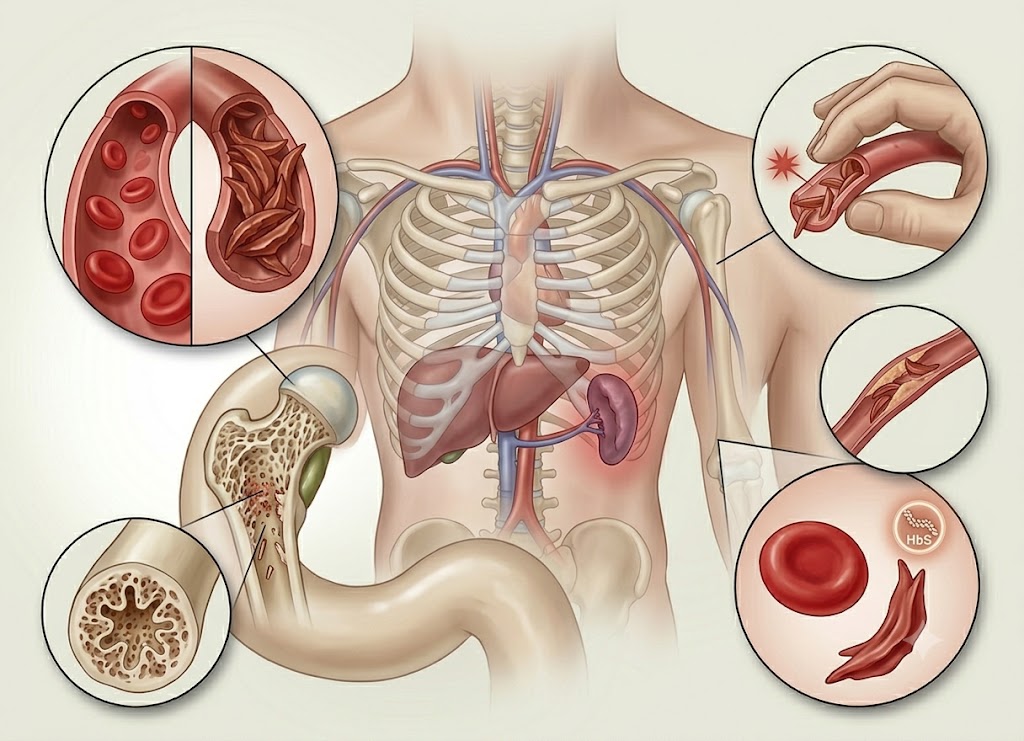
A sickle cell crisis is an intensely painful medical episode, clinically referred to as a vaso-occlusive crisis (VOC), that happens when rigid, crescent-shaped red blood cells block the smallest blood vessels. This event is the primary clinical sign of sickle cell disease, an inherited genetic disorder that changes the structure of hemoglobin.
To understand how this happens, it helps to compare normal and abnormal red blood cells. Healthy red blood cells are round, flexible, disc-shaped, and able to move easily through even the tiniest capillaries to deliver oxygen to the body’s tissues.
In people with sickle cell disease, an abnormal form of hemoglobin known as hemoglobin S causes red blood cells to become hard, sticky, and twisted into a crescent, or “sickle,” shape. These distorted cells carry far less oxygen and tend to clump together easily.
During a crisis, groups of these stiff cells create a physical blockage inside small blood vessels, essentially damming up normal blood flow. This blockage, called vaso-occlusion, leads to localized ischemia (poor blood supply) and cellular hypoxia (severe lack of oxygen) in the affected tissue.
The resulting oxygen shortage triggers a strong inflammatory response that sends intense, persistent pain signals to the brain. This pain is often described as sharp, throbbing, or stabbing. While it can happen anywhere in the body, it most commonly shows up in the bones of the back, legs, and arms, as well as in the chest and abdomen.
Primary Symptoms of a Pain Crisis
A sickle cell crisis typically presents with a set of distinct, disruptive symptoms that stem directly from vaso-occlusion and the accelerated breakdown of abnormal red blood cells.
Severe, Unpredictable Pain
This is the defining feature of a crisis. The timing, location, and severity of the pain are highly unpredictable, often starting suddenly with no warning. It may stay confined to one joint or spread across multiple areas of the body at once.
The pain is often described as a deep, gnawing sensation in the bones, or a sharp, stabbing pressure in the chest or abdomen. These episodes can last for hours, days, or even weeks, and the pain is frequently severe enough to require emergency hospitalization and high-dose intravenous opioid pain relief.
Dactylitis (Hand-Foot Syndrome)
Often the first sign of a sickle cell crisis in infants and young children, dactylitis causes painful, symmetrical swelling of the hands and feet. This happens when sickled red blood cells block blood flow within the small bones of the fingers and toes. The resulting blockage causes significant local inflammation, warmth, and visible swelling, making it very painful for a child to grip objects or put weight on their feet.
Profound Fatigue and Worsening Anemia
People with sickle cell disease live with a baseline level of chronic anemia because sickled red blood cells are fragile and break down much faster than healthy cells, surviving only 10 to 20 days compared to a typical 120-day lifespan.
During an active crisis, this fatigue intensifies into overwhelming exhaustion. The body burns through a huge amount of metabolic energy fighting acute pain and widespread tissue inflammation, while the sharp drop in circulating red blood cells further deprives vital organs of oxygen, leading to extreme weakness.
Clinical Jaundice
This yellowish discoloration of the skin and the whites of the eyes happens because bilirubin builds up quickly in the bloodstream. Bilirubin is a yellow pigment produced when red blood cells break down. Because sickled cells are structurally fragile and break down faster during a crisis, bilirubin levels rise faster than the liver can process them, causing the pigment to settle into body tissues.
Why Severe Crises Can Be Life-Threatening
While many painful episodes can be managed at home with hydration and oral medication, a sickle cell crisis can quickly escalate into a life-threatening emergency. Certain forms of vaso-occlusion can cause serious complications that lead to permanent disability or death without immediate, aggressive medical treatment.
Acute Chest Syndrome (ACS)
This is one of the most dangerous respiratory complications and a leading cause of death among people with sickle cell disease. Acute Chest Syndrome happens when sickled red blood cells block the blood vessels in the lungs, often triggered by a localized respiratory infection or a fat embolism coming from damaged bone marrow.
Symptoms resemble severe pneumonia, including intense chest pain, a persistent cough, fever, and rapid shortness of breath. ACS can progress to acute respiratory failure within hours and requires immediate treatment with supplemental oxygen, intravenous antibiotics, aggressive pain management, and emergency blood transfusions to replace sickled cells with healthy donor blood.
Acute Ischemic Stroke
A blockage in the major blood vessels supplying the brain can cause an ischemic stroke, posing a serious risk even for young children with the disease. A stroke can be obvious, showing classic warning signs like weakness on one side of the body, slurred speech, or facial drooping.
It can also be “silent,” causing no immediate physical symptoms while gradually damaging brain tissue over time, leading to cognitive impairment and learning difficulties. Any sudden neurological change during a sickle cell crisis is a serious emergency requiring immediate treatment, such as thrombolytic therapy or exchange transfusion, to help prevent lasting brain damage.
Chronic and Progressive Organ Damage
Repeated episodes of small blood vessel blockage over a lifetime cause cumulative, irreversible damage to major organs. The spleen is often the first organ affected, since the constant trapping of sickled cells causes it to essentially shut down, leaving patients with a weakened immune system and a high risk of serious bacterial infection.
Over time, chronic oxygen deprivation also damages the kidneys, liver, and heart, gradually leading to chronic kidney disease, liver dysfunction, and pulmonary hypertension, which can eventually result in premature organ failure.
The 8 Most Common Triggers of a Sickle Cell Crisis
The 8 most common triggers of a sickle cell crisis are dehydration, extreme or sudden temperature changes, infections, physical overexertion, emotional stress, high altitude, alcohol use, and smoking. Being aware of and avoiding these factors is central to preventing painful episodes.
Below, each trigger is explored in more detail to explain how it can start the sickling process and lead to a vaso-occlusive crisis. Understanding the mechanisms behind each trigger can help people with sickle cell disease make more informed lifestyle choices that support their health and stability. These triggers can act alone or together, which makes a thorough, proactive prevention plan essential.
1. Blood Volume Shifts: Dehydration
Dehydration is one of the most common and most controllable factors behind a sickle cell crisis. When the body doesn’t have enough fluid, the total volume of plasma in the blood drops sharply, causing the remaining blood to become thick and sluggish.
As blood thickens, circulation slows, especially within the narrow capillaries of the smallest blood vessels. This slower movement gives red blood cells more time to release oxygen into surrounding tissue. For people with sickle cell disease, this extended oxygen loss is particularly dangerous, as it directly causes abnormal hemoglobin S molecules to link into rigid chains, forcing the cell into its distorted sickle shape.
On top of this, dehydrated blood makes both red blood cells and the lining of blood vessels stickier. This creates conditions where misshapen cells easily clump together, forming a blockage that cuts off blood supply and triggers a painful vaso-occlusive episode.
2. Thermal Stress: Extreme Hot or Cold Temperatures
Exposure to extreme temperatures, along with sudden weather changes, can disrupt normal circulation and trigger a sickle cell crisis. The circulatory system naturally adjusts to outside temperatures, but these adjustments can carry serious consequences for people with fragile red blood cells.
The Impact of Sudden Cold
Cold environments cause blood vessels near the skin to narrow, a protective reflex that helps keep the body’s core warm. This narrowing slows blood flow in the arms and legs. In someone with sickle cell disease, this sluggish circulation can trap crescent-shaped cells in small vessels, triggering a sudden blockage. Activities like swimming in cold water or walking outside in freezing weather without proper clothing are well-known triggers.
The Impact of Intense Heat
Extreme heat poses a different risk by quickly causing dehydration. High temperatures make the body sweat heavily to cool down. Without replacing those lost fluids right away, blood thickens, making it easier for sickled cells to stick together.
Moving quickly between extreme environments, like stepping from a hot summer day into a heavily air-conditioned building, can also shock blood vessels, causing them to spasm and narrow, which can instantly trigger an acute pain episode.
3. Systemic Stress: Infections and Illnesses
Viral and bacterial infections, such as the flu, pneumonia, and common respiratory illnesses, frequently trigger severe sickle cell crises. When the immune system fights off an infection, it launches a widespread inflammatory response that changes how blood cells interact with vessel walls.
Inflammation releases proteins and immune cells into the bloodstream that make the inner lining of blood vessels sticky. This makes it much easier for rigid, sickled red blood cells to stick to vessel walls and pile up against each other.
At the same time, illness often brings fever, which raises the body’s metabolic rate and increases its overall oxygen demand. As tissues use up oxygen faster, circulating red blood cells lose their oxygen more quickly, speeding up the process that causes hemoglobin S to link together. Combined with fluid loss from sweating, vomiting, or diarrhea, infections create ideal conditions for widespread blockage.
4. Metabolic Demands: Physical Overexertion
Regular, moderate physical activity is important for overall health, but pushing the body to the point of exhaustion or overexertion can trigger a severe sickle cell crisis. The intense metabolic demands of strenuous exercise put major strain on red blood cells.
During intense exercise, working muscles need a large oxygen supply. If demand outpaces what the lungs and heart can deliver, localized tissue hypoxia occurs. This drop in oxygen is the main trigger that causes hemoglobin S to deform into a rigid sickle shape.
Heavy sweating during a workout also causes rapid fluid loss. Without continuous hydration, the resulting dehydration slows circulation, causing newly sickled cells to become trapped in muscle tissue. This problem is made worse by lactic acid buildup, which lowers blood pH and causes hemoglobin to release oxygen even faster, speeding up the sickling process.
5. Neurological Activation: Emotional Stress and Anxiety
Severe psychological distress, including acute panic, intense anxiety, depression, or deep grief, can trigger a physical sickle cell crisis. The mind and body are closely connected, and mental distress can cause real, measurable changes in the circulatory system.
When someone experiences high levels of emotional stress, the nervous system triggers a fight-or-flight response, flooding the bloodstream with stress hormones like adrenaline and cortisol. These hormones cause sudden shifts in blood pressure and alter normal blood flow patterns, redirecting circulation away from certain tissues.
Chronic emotional stress also contributes to low-grade, ongoing inflammation, which increases the stickiness of blood vessel walls. Severe anxiety or depression can also disrupt everyday self-care routines, causing someone to neglect proper hydration, nutrition, and rest, which increases their vulnerability to other triggers.
6. Environmental Hypoxia: High Altitudes
Traveling to high-altitude locations, generally defined as places above 5,000 feet or 1,500 meters, presents a real risk for anyone with sickle cell disease. The reason a crisis can happen at high altitude comes down to basic atmospheric physics.
While the percentage of oxygen in the air stays the same at high altitude, barometric pressure drops, meaning the air is less dense and contains fewer oxygen molecules per breath. When someone breathes this thinner air, less oxygen moves from the lungs into the bloodstream, leading to systemic hypoxemia.
As red blood cells travel through the body carrying less oxygen, abnormal hemoglobin S molecules quickly link together, turning cells into rigid crescent shapes on a large scale. This widespread sickling can rapidly lead to severe blockages in multiple areas. The risk is heightened further by the thin, dry mountain air, which increases fluid loss through breathing and speeds up dehydration.
7. Chemical Triggers: Alcohol and Smoking
Introducing substances like alcohol and tobacco smoke into the body can directly trigger a sickle cell crisis by causing rapid dehydration and significant tissue oxygen deprivation.
The Dehydrating Impact of Alcohol
Alcohol acts as a natural diuretic. It suppresses the brain’s production of vasopressin, a hormone that normally tells the kidneys to reabsorb water. Without this hormone, the kidneys expel fluids faster than usual, leading to rapid dehydration. Even mild to moderate alcohol use can thin plasma volume enough to slow blood flow, causing sickled cells to clump together.
The Oxygen-Depriving Impact of Smoking
Tobacco and cannabis smoke introduce carbon monoxide into the lungs, which poses an immediate threat to red blood cells. Carbon monoxide binds to hemoglobin over 200 times more strongly than oxygen does, forming a compound called carboxyhemoglobin, which cannot carry oxygen.
This creates severe hypoxia throughout the bloodstream, forcing hemoglobin S to link together and distort red blood cells into the sickle shape. The toxins in smoke also cause acute inflammation and narrowing of blood vessels, making microvascular blockages far more likely.
8. Hormonal and Circulatory Shifts: Pregnancy
Pregnancy is a complex physiological state that can significantly increase both the frequency and severity of sickle cell crises. Many women with sickle cell disease do have successful pregnancies, but the process places substantial strain on the mother’s cardiovascular and metabolic systems.
To support a developing baby, a pregnant woman’s body has to work much harder, resulting in a higher baseline heart rate, increased metabolic activity, and a greater demand for oxygen. This ongoing oxygen demand can create pockets of localized hypoxia, raising the chances that red blood cells will sickle.
Pregnancy also naturally increases blood volume, but plasma volume often rises more than the actual number of red blood cells, worsening baseline anemia and fatigue. The natural rise in blood-clotting proteins during pregnancy, combined with the stickiness of sickled cells, increases the risk of severe blockages and deep vein clots, requiring close monitoring from both a hematologist and a specialized obstetrician.
The Most Effective Ways to Prevent a Sickle Cell Crisis
The most effective ways to prevent a sickle cell crisis involve diligent lifestyle management focused on avoiding known triggers, along with consistent use of medical therapies designed to reduce sickling and its complications. This proactive approach includes staying well hydrated, avoiding extreme temperatures, preventing infections through vaccination and good hygiene, managing physical and emotional stress, and keeping up with regular medical care.
In short, prevention is a multifaceted strategy that combines daily habits with long-term medical treatment.
By consciously managing environmental and physiological factors, people can meaningfully reduce how often and how severely painful episodes occur. At the core of prevention is maintaining a stable internal environment where red blood cells are less likely to sickle in the first place. This requires teamwork between the patient and their healthcare team to build a personalized plan that addresses every potential trigger and supports health through both lifestyle choices and modern medical treatment.
1. Essential Lifestyle Habits for Crisis Prevention
Preventing a sickle cell crisis requires a proactive lifestyle centered on maintaining internal stability. By carefully managing daily habits, people can directly reduce the physical conditions that cause red blood cells to change shape and block blood vessels.
Strategic Fluid Intake
Consistent, generous hydration is one of the most effective daily defenses against a vaso-occlusive episode. People should aim to drink plenty of fluids, typically around 8 to 10 large glasses of water a day, or more if recommended by a doctor.
Keeping fluid levels high helps maintain plasma volume, which dilutes the concentration of hemoglobin S and thins the blood. This allows red blood cells to move smoothly through narrow capillaries and helps prevent the blockages that trigger severe pain.
Thermal Regulation
Protecting the circulatory system from sudden temperature shocks is important for keeping blood vessels stable. Prevention strategies include:
- Cold-Weather Adjustments: Dressing in thick, insulated layers during winter to prevent the narrowing of blood vessels that can trap fragile cells in the limbs.
- Warm-Weather Management: Wearing light, breathable clothing during summer to reduce heavy sweating, which can lead to rapid dehydration.
- Avoiding Sudden Exposure: Steering clear of unheated pools and avoiding abrupt shifts from extreme outdoor heat into heavily air-conditioned spaces, since these sudden changes can shock blood vessels into constricting.
Sleep Optimization and Stress Management
Since physical overexertion and emotional stress release hormones that trigger inflammation and vessel constriction, proper rest is a key preventative measure. Aiming for 7 to 9 hours of quality sleep each night gives the body time to repair itself. Pacing daily activities, taking regular breaks, and practicing stress-reduction techniques like mindfulness, meditation, or deep breathing all help keep stress hormones in check and protect the vascular system.
Rigorous Infection Control
Since infections trigger an inflammatory response that makes blood vessels sticky, avoiding illness is a top priority. Key preventative habits include frequent hand washing with soap and water, avoiding close contact with sick individuals, thoroughly washing fresh produce, and making sure all food is fully cooked to reduce the risk of foodborne illness.
Eliminating Chemical Irritants
Fully avoiding tobacco smoke and cutting out or strictly limiting alcohol removes two major, controllable risk factors for a sickle cell crisis. Avoiding tobacco smoke helps preserve blood oxygen levels and prevents vessel irritation, while avoiding alcohol protects the body from rapid fluid loss and dehydration.
2. Proactive Medical Prevention
In addition to daily lifestyle habits, modern medical treatments are highly effective at reducing how often and how severely sickle cell crises occur, by targeting the underlying genetic and cellular mechanics of the disease.
Hydroxyurea
Hydroxyurea is a well-established, daily oral medication and a cornerstone of long-term treatment. It works by encouraging the bone marrow to produce more fetal hemoglobin (HbF). Fetal hemoglobin prevents abnormal hemoglobin S molecules from linking into rigid chains.
By increasing the amount of HbF in red blood cells, this medication helps cells maintain their round, flexible shape, significantly reducing how often painful episodes and acute chest syndrome occur, along with the need for hospital stays.
Targeted Modern Medications
Over the past several years, newer targeted treatments have expanded the options for managing the disease:
- L-Glutamine: An oral powder taken twice daily that helps reduce oxidative stress inside sickled red blood cells, keeping them more stable and less likely to break down prematurely.
- Crizanlizumab: A monthly intravenous infusion that targets a specific protein called P-selectin found on blood vessel walls and blood cells. By blocking this protein, the medication helps prevent sickled cells from sticking to vessel walls, reducing the blockages that cause pain crises.
- Voxelotor: A daily oral medication that binds directly to hemoglobin S to increase its affinity for oxygen. By keeping hemoglobin in its oxygen-carrying state, it helps prevent the molecules from linking together, reducing both cell sickling and chronic anemia caused by cell breakdown.
Chronic Blood Transfusion Therapy
For people at high risk of serious complications like ischemic stroke, doctors may recommend chronic red blood cell transfusion therapy. This involves receiving scheduled transfusions of healthy donor red blood cells roughly every 3 to 4 weeks.
Regularly introducing healthy cells dilutes the concentration of sickled cells in the bloodstream, which lowers blood thickness, improves oxygen delivery to vital organs, and helps protect the brain from vaso-occlusive damage.
3. Comprehensive Healthcare Support
Managing sickle cell disease effectively requires a long-term partnership with a specialized medical team to track health trends and provide preventative care.
Regular Hematology Monitoring
Patients should keep up a consistent schedule of appointments with a hematologist. These visits allow providers to track baseline blood counts, monitor liver and kidney function, adjust medication doses, and catch early signs of organ strain before symptoms show up.
Strict Immunization Schedules
Because the spleen is often damaged early in life by the disease, the immune system becomes compromised, leaving people highly vulnerable to severe bacterial infections. Staying current on vaccinations is a critical preventative step.
This includes all standard childhood vaccines, the annual flu shot, updated COVID-19 vaccinations, and specialized meningococcal and pneumococcal vaccines to help protect against life-threatening blood and lung infections.
Proactive Screening for Complications
To help prevent long-term damage, medical teams use targeted screening tools based on a patient’s age and medical history. For example, children between ages 2 and 16 should have annual Transcranial Doppler (TCD) ultrasounds. This non-invasive test measures how fast blood flows through vessels in the brain. High blood flow speeds can point to narrowed arteries and an increased stroke risk, prompting doctors to start preventative treatments, such as regular blood transfusions, to protect the child’s neurological health.
Advanced Aspects of Managing Sickle Cell Disease
Advanced management of sickle cell disease requires a broad strategy that includes distinguishing between different types of crises, following a proactive home care plan, understanding the unique nature of sickle cell pain, and knowing when to seek emergency care. This more comprehensive approach helps people take greater control of their condition by going beyond basic trigger avoidance toward a more sophisticated level of self-management and medical partnership. It also means recognizing that not every crisis looks the same, and that the response needs to match the specific symptoms and their severity.
1. Different Types of Advanced Sickle Cell Crises
Advanced management of sickle cell disease calls for a precise clinical understanding that crises aren’t all identical. While a sickle cell crisis is most commonly associated with painful vaso-occlusion, several distinct types exist, each with its own cellular mechanisms and requiring specific medical treatment.
Vaso-Occlusive Crisis (VOC)
This is the most common type of crisis, caused by rigid, crescent-shaped red blood cells physically blocking capillaries. The resulting lack of blood flow cuts off oxygen to local tissues, causing severe, localized pain. VOCs most often affect the long bones, joints, chest, and abdomen, and come with local tissue inflammation.
Aplastic Crisis
An aplastic crisis is a dangerous condition where the bone marrow temporarily stops producing new red blood cells altogether. This is almost always triggered by a viral infection, most notably human parvovirus B19.
Because sickled red blood cells already have a short lifespan of only 10 to 20 days, this sudden halt in production causes blood counts to drop quickly. Unlike a typical painful episode, an aplastic crisis usually doesn’t come with severe bone pain. Instead, it causes extreme paleness, profound weakness, a rapid heart rate, and severe fatigue.
Splenic Sequestration Crisis
This is an acute, life-threatening emergency that mainly affects infants and young children before their spleen shuts down permanently. During this event, a large volume of sickled red blood cells suddenly becomes trapped in the spleen’s small blood vessels.
The spleen swells rapidly and painfully as it holds onto a large portion of the body’s total blood volume. This causes a dramatic drop in circulating hemoglobin and a sharp fall in blood pressure, which can quickly lead to shock and death without immediate emergency blood transfusions.
Acute Chest Syndrome (ACS)
Acute Chest Syndrome is a severe lung complication and a leading cause of death in adults with sickle cell disease. It’s identified by a new area of lung abnormality on a chest X-ray, along with symptoms like high fever, severe chest pain, a persistent cough, and rapid shortness of breath.
ACS happens when sickled cells block blood flow in the lungs’ blood vessels, often triggered by a localized respiratory infection or a fat embolism originating from damaged bone marrow. It requires immediate emergency treatment to prevent acute respiratory failure.
2. Advanced Protocol for In-Home Management
When a sickle cell crisis starts to develop, beginning a structured home care plan right away can help reduce the severity of the episode and potentially prevent a hospital visit. This plan focuses on reversing the physical conditions that cause cells to sickle.
Aggressive Fluid Intake
At the very first sign of an oncoming episode, it’s important to significantly increase fluid intake. Drinking plenty of water, broth, or electrolyte solutions helps expand plasma volume in the blood. This thins the blood, reduces its thickness, and helps clear early cell blockages before they cut off oxygen to surrounding tissue.
Early and Scheduled Pain Relief
Waiting until pain becomes severe before taking medication makes it much harder to control. A home care plan should include taking prescribed pain medication, such as high-dose NSAIDs like ibuprofen, or stronger oral opioids, at the exact intervals a doctor recommends. Sticking to a strict schedule helps block pain pathways before a full crisis sets in.
Localized Heat Therapy
Applying gentle, consistent warmth to the painful area with a heating pad, warm compress, or warm bath is an effective way to improve circulation. Heat naturally causes blood vessels to widen and relaxes the muscles around the painful area, which helps deliver oxygen back to starved tissue.
Important Warning: Cold packs or ice should never be used to treat a sickle cell pain episode. Cold temperatures cause blood vessels to constrict immediately, which can worsen cell blockages and intensify the crisis.
3. Understanding the Nature of Sickle Cell Pain
The pain experienced during a sickle cell crisis is fundamentally different from other types of chronic pain, such as the autoimmune inflammation seen in rheumatoid arthritis or the nerve sensitivity involved in fibromyalgia. Its unique nature calls for a distinct treatment approach.
Acute-on-Chronic Pattern
People with advanced sickle cell disease often live with a baseline level of daily chronic pain caused by permanent tissue and bone damage. A crisis adds an “acute-on-chronic” pattern on top of that, meaning unpredictable, excruciating spikes of sharp, stabbing pain layer directly onto their everyday discomfort, creating a heavy physical and psychological burden.
Two Pain Pathways at Once
The underlying cause of sickle cell pain is complex because it involves two distinct pain mechanisms happening simultaneously:
- Nociceptive Pain: Physical blockages cause tissue death within bones and organs. This damage triggers a strong release of inflammatory chemicals that irritate local pain receptors, causing a deep, throbbing ache.
- Neuropathic Pain: Blockages also cut off blood flow to the tiny vessels that nourish peripheral nerves. This lack of oxygen damages nerve fibers, causing them to misfire and produce sensations described as burning, tingling, or sudden electrical shocks.
Because this pain involves multiple pathways and can reach the highest level on the pain scale almost instantly, managing it requires strong medication. Treatment often combines high-dose opioids with nerve-stabilizing medications and aggressive IV fluids, rather than relying on standard anti-inflammatory drugs alone.
4. Warning Signs That Require Immediate Emergency Care
While mild episodes can sometimes be managed at home, certain symptoms point to a severe, life-threatening complication. If any of these warning signs appear during a sickle cell crisis, the person should be taken to an emergency room right away.
High Fever
A body temperature of 101°F (38.3°C) or higher is a medical emergency for anyone with sickle cell disease. Because the spleen is often damaged early in life due to cell blockages, the immune system is weakened. A fever can be the first sign of a severe bacterial infection in the blood or lungs, one that can become life-threatening within hours without emergency IV antibiotics.
Respiratory Distress
Any signs of breathing difficulty, including rapid breathing, shortness of breath, a wet cough, or new chest pain, require immediate emergency care. These symptoms are key indicators of Acute Chest Syndrome, which can cause a rapid drop in blood oxygen levels and needs immediate treatment such as oxygen therapy and urgent blood transfusions.
Neurological Changes
Because sickle cell disease raises the risk of blood vessel blockages in the brain, any sudden neurological changes call for immediate emergency treatment. Key warning signs include:
- A sudden, severe headache that feels different from a usual one.
- Sudden dizziness or loss of balance.
- Visible facial drooping or an uneven smile.
- Weakness, numbness, or loss of function in an arm or leg.
- Slurred speech, trouble finding words, or sudden confusion.
These symptoms point to an active ischemic stroke, and immediate medical care is critical to minimize permanent brain damage.
Sudden Abdominal Swelling
A sudden, painful enlargement of the abdomen, often paired with severe weakness, dizziness, and very pale skin, is a major warning sign of a Splenic Sequestration Crisis. This means a large portion of the body’s blood is becoming trapped in the spleen, requiring emergency care to prevent cardiovascular collapse.
Ischemic Priapism
Priapism is a painful, involuntary erection caused by sickled red blood cells blocking the veins that drain blood from the penis. If it lasts more than four hours, it becomes a serious medical emergency. Without prompt treatment from an emergency urologist, the lack of oxygenated blood can cause permanent tissue damage and lead to lasting erectile dysfunction.
Conclusion
A sickle cell crisis can be triggered by a number of physical and environmental factors, including dehydration, infections, cold exposure, heat, stress, high altitude, low oxygen, and intense exercise. These triggers can raise the chances that sickled red blood cells will clump together and block blood flow. While it isn’t always possible to prevent every crisis, understanding personal patterns can make prevention and early treatment easier. Anyone experiencing severe pain, chest pain, fever, breathing trouble, weakness, confusion, or symptoms that feel unusual should seek medical care right away.
Frequently Asked Questions
1. What is a sickle cell crisis?
A sickle cell crisis is a painful episode that can happen in people with sickle cell disease. It occurs when sickle-shaped red blood cells block small blood vessels and reduce oxygen flow to tissues. Pain can affect the bones, chest, abdomen, back, arms, or legs. Some crises can become serious and may require urgent medical treatment.
2. What are the most common triggers of sickle cell crisis?
Common triggers include dehydration, infections, fever, cold weather, extreme heat, stress, high altitude, and low oxygen levels. Intense physical activity or exhaustion may also raise the risk for some people. These factors can make red blood cells more likely to sickle or slow blood flow. Sometimes a crisis can happen without any clear trigger.
3. Why does dehydration trigger a sickle cell crisis?
Dehydration can make blood thicker and reduce smooth circulation through small vessels. When blood flow slows, sickled red blood cells are more likely to stick together and cause blockages. This can reduce oxygen delivery and lead to pain. Drinking enough fluids is one common prevention step recommended for people with sickle cell disease.
4. Can cold weather cause a sickle cell crisis?
Yes, cold weather can trigger a crisis in some people. Cold temperatures can cause blood vessels to narrow, reducing blood flow to certain areas of the body. Sudden temperature changes, such as moving from a warm room into cold air, may also play a role. Wearing warm clothing and avoiding abrupt cold exposure can help lower the risk.
5. When should someone seek emergency help for a sickle cell crisis?
Emergency help is needed if pain is severe, unusual, or not improving with the treatment plan given by a doctor. Fever, chest pain, trouble breathing, weakness on one side of the body, confusion, severe headache, or bluish lips should be treated as urgent. These symptoms may point to serious complications such as infection, acute chest syndrome, or stroke. Prompt medical care can reduce the risk of life-threatening outcomes.