
What Does ‘Phenylketonurics’ Mean on a Food Label?
Ever spotted the word “phenylketonurics” printed on a soda can or a pack of sugar-free gum and wondered what it’s doing there? That warning “Phenylketonurics: Contains Phenylalanine” shows up on anything sweetened with aspartame, since aspartame turns into phenylalanine once it’s digested. For almost everyone, phenylalanine is just an ordinary amino acid found in tons of protein foods, nothing to worry about. But for people born with phenylketonuria (PKU), a rare inherited condition, too much phenylalanine can cause real harm.
“Phenylketonurics” is simply the term for people who live with PKU and have to watch their phenylalanine intake for their entire lives. Their bodies can’t break the amino acid down properly, so it piles up in the blood and brain, which can lead to nerve damage if it’s never addressed. The warning label exists so people with PKU can spot and skip products that aren’t safe for them. Below, we’ll walk through what the label means, why it matters, where phenylalanine tends to hide, and who actually needs to care about it.
What is the meaning of the “Phenylketonurics: Contains Phenylalanine” warning?
This label is a required health notice telling you a product contains phenylalanine an amino acid that’s harmless to nearly everyone but genuinely dangerous for people with the rare genetic disorder phenylketonuria (PKU). It’s a quick, unmistakable flag that lets anyone managing PKU know to steer clear. What’s completely normal and even beneficial for the average person acts like a toxin in someone with PKU.
To really get why this warning matters so much, it helps to understand both sides of it: the condition it’s protecting against, and the substance it’s calling out.
Decoding the Health Advisory Warning
The legally required phrase “PHENYLKETONURICS: CONTAINS PHENYLALANINE” exists purely to protect people living with PKU. Under normal circumstances, phenylalanine is a building block the body needs for muscle tissue and hormone production. In someone with PKU, though, that same nutrient becomes harmful to the nervous system.
Think of the label as an early-warning system built right into the packaging it lets someone managing this metabolic disorder catch a risky product before it ever reaches their mouth.
Understanding the Pathophysiology of PKU Disease
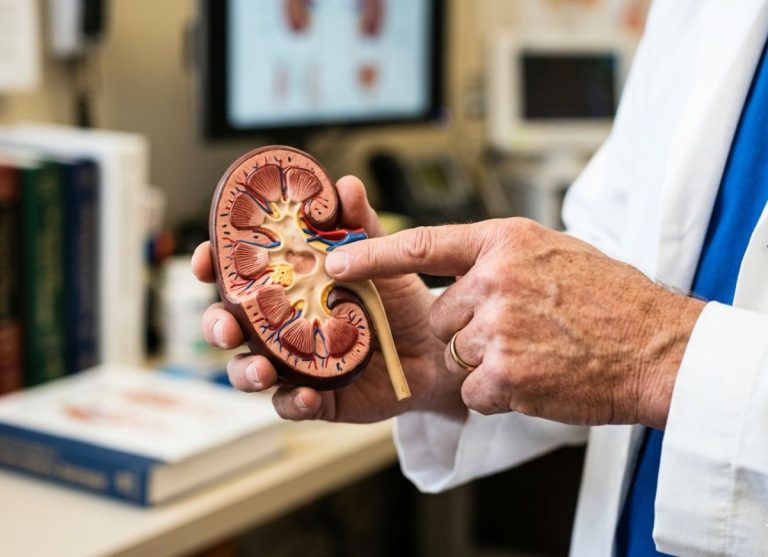
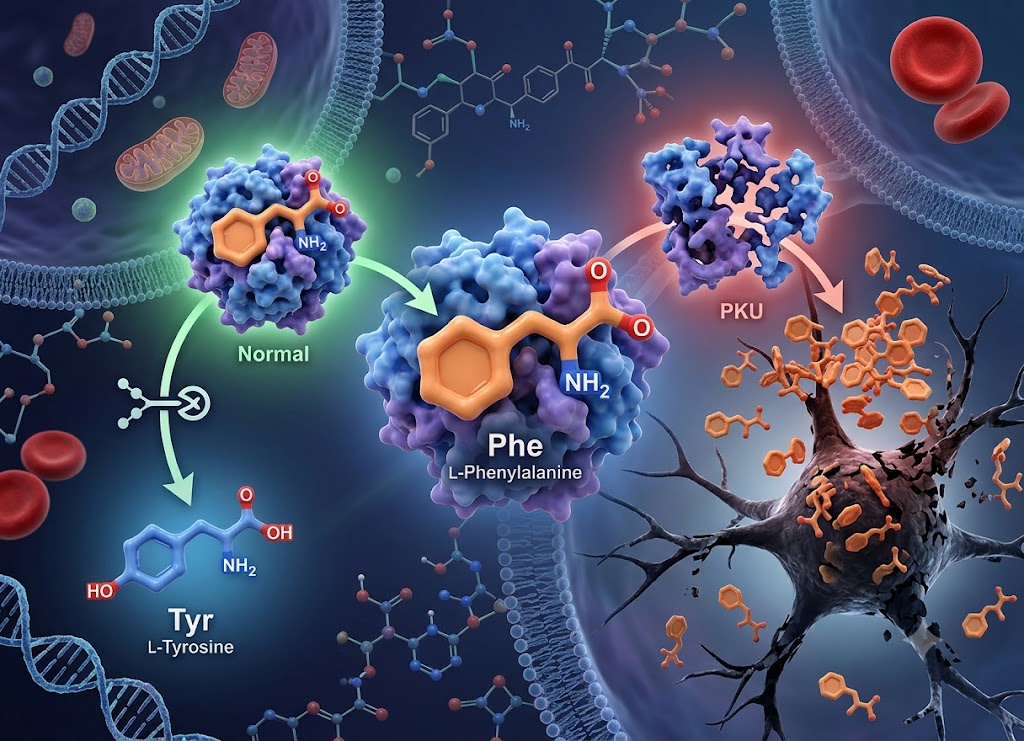
To understand just how serious this warning is, it’s worth looking at the biology behind PKU. People born with the condition are missing a working version of a liver enzyme called phenylalanine hydroxylase (PAH).
In a typical body, PAH acts like a converter, turning phenylalanine from food into a different amino acid, tyrosine. Tyrosine then becomes a raw material the brain uses to make dopamine and norepinephrine chemicals tied to mood and thinking.
- An inherited, recessive flaw: Since PKU is autosomal recessive, a child needs to inherit a faulty PAH gene from both parents to actually develop the condition.
- A toxic buildup in the blood: With no working PAH enzyme, phenylalanine has nowhere to go. Every protein-containing meal pushes blood levels higher and higher.
- Damage to the brain: Once phenylalanine concentrations get high enough, they slip past the blood-brain barrier. Left unmanaged in infancy or childhood, this leads to permanent intellectual disability, developmental delays, an unusually small head, and recurring seizures.
Dietary Sources: Natural Proteins vs. Aspartame
Since the body can’t manufacture phenylalanine on its own, every bit of it has to come from food which is exactly why people with PKU need to follow such a strict, lifelong eating plan.
Natural dietary proteins.
Phenylalanine shows up in nearly every protein-rich food you can think of. Animal sources like beef, chicken, fish, eggs, milk, and cheese are loaded with it, and so are plant proteins such as soy, tofu, nuts, seeds, lentils, and chickpeas. Because of how much phenylalanine these foods carry, they’re largely off-limits for someone with PKU, who instead depends on a specially formulated, phenylalanine-free medical formula.
The hidden danger of artificial sweeteners.
The reason that warning shows up on so many “diet” or zero-calorie products is aspartame sold under names like Equal or NutraSweet. Aspartame is built from two amino acids bonded together: aspartic acid and phenylalanine.
Once it’s digested, those bonds break apart, releasing a concentrated burst of free phenylalanine into the bloodstream. Since diet sodas, sugar-free gum, and low-calorie desserts don’t look anything like a “protein” food, regulators require the explicit warning so nobody eats them by accident.
Why is phenylalanine a health risk for individuals with PKU?
For someone with PKU, phenylalanine is dangerous simply because their body has no way to process it so it accumulates to harmful levels in the blood and brain, and that buildup can cause lasting neurological damage.
The Neurotoxic Cascades of Phenylalanine Buildup
Eating phenylalanine sets off a chain reaction in someone with PKU, because the enzyme that would normally handle it phenylalanine hydroxylase (PAH) is missing or broken.
When a person with PKU eats regular protein, the unprocessed phenylalanine builds up in the blood and eventually crosses into the brain in large quantities. Once there, it causes damage in a few different ways:
- Blocking nutrient transport: The brain pulls in amino acids through specialized transporters. When phenylalanine floods the system, it crowds out other essential amino acids like tyrosine and tryptophan that the brain actually needs.
- Starving the brain of neurotransmitters: With those other amino acids blocked and the tyrosine pathway broken, the brain can’t make enough dopamine, serotonin, or norepinephrine chemicals that govern mood, memory, and focus.
- Disrupting myelin formation: High phenylalanine levels interfere with myelin, the insulating layer around nerve fibers. Without it, electrical signals in the brain don’t transmit properly.
Clinical Consequences of the PKU Metabolic Disorder
When PKU isn’t caught early or isn’t managed well, the resulting damage shows up as a range of physical, behavioral, and cognitive symptoms.
In infancy and childhood.
Ongoing phenylalanine buildup can cause lasting developmental delays, an unusually small head (microcephaly), and significant intellectual disability. The disrupted brain activity often brings on tremors, jerky movements, and seizures.
There’s also a telltale sign: excess phenylalanine gets converted into phenylacetic acid, which leaves the body through skin, breath, and urine producing a distinctive musty or “mousy” smell.
In teens and adults.
Even people who followed a strict diet as kids can experience real setbacks if they stop later in life. Elevated phenylalanine levels tend to show up as a shorter attention span, memory problems, poor impulse control, and mental fog along with a higher risk of depression, anxiety, and hyperactivity.
During pregnancy.
The stakes go up considerably during pregnancy. If a woman with PKU doesn’t tightly control her phenylalanine levels before and during pregnancy, the amino acid crosses into the placenta in large amounts. It’s highly toxic to a developing fetus.
Even if the baby doesn’t inherit PKU itself, exposure to high maternal phenylalanine levels can cause what’s known as Maternal PKU Syndrome leading to permanent heart defects, low birth weight, and irreversible intellectual disability.
Managing the Dietary Borderline: The Nutritional Balance
Here’s the tricky part: phenylalanine is an essential amino acid, meaning the body genuinely needs some of it for growth and tissue repair. It can’t be eliminated entirely without causing muscle wasting and malnutrition. So managing PKU is really a balancing act enough phenylalanine to stay healthy, but never enough to cross into toxic territory.
There’s no one-size-fits-all limit.
How much phenylalanine a person can safely handle depends on their specific genetic mutation and how much PAH enzyme activity, if any, is left in their liver.
People with “classic” PKU have almost no enzyme function and can barely tolerate any natural protein, while those with milder forms can handle a bit more. Dietitians and metabolic specialists run regular blood tests throughout a person’s life to fine-tune their diet.
Low-protein eating, by necessity.
To stay within a safe range, people with PKU have to cut out meat, poultry, fish, eggs, dairy, nuts, seeds, and soy entirely. Even staples like bread, pasta, and rice need to be rationed or swapped for specially made low-protein versions. Most of the daily diet ends up being select fruits, low-protein vegetables, and medical foods.
Why the medical formula matters.
Since whole-food protein is so restricted, people with PKU rely on a specialized medical formula for life. It supplies all the essential amino acids, vitamins, and minerals the body needs just without the phenylalanine and it becomes the main source of safe nutrition.
Who is affected by Phenylketonuria and needs to heed the warning?
The “Phenylketonurics: Contains Phenylalanine” warning is aimed at anyone diagnosed with PKU, along with their parents and caregivers. Most cases are caught right at birth through standard newborn screening.
Because PKU is present from birth, families typically have to start managing diet immediately to avoid the serious health effects tied to the disorder. The label itself functions as a public-safety measure, protecting this specific group from accidentally consuming something harmful.
Understanding how common PKU is and how it’s diagnosed helps explain why such a specific warning label is necessary in the first place.
Demographics and Groups Affected by PKU
This warning matters to anyone diagnosed with PKU, their families, and their care teams. While the condition can appear in any family regardless of background, research shows the rates differ quite a bit by region and ethnicity.
Prevalence by race and ethnicity in the United States.
Overall, PKU affects roughly 1 in 15,000 births in the U.S., but that number shifts depending on ancestry, according to data from the National Institutes of Health:
- White/Caucasian Americans see the highest rate in the country, at around 1 in 16,800.
- Native Americans have a similarly elevated rate, close to 1 in 15,200.
- Hispanic Americans see a lower rate, roughly 1 in 60,900.
- Black/African Americans have a much rarer occurrence, around 1 in 126,500.
- Asian Americans, particularly those of East Asian descent, see the condition so rarely that some multi-year screening periods report no cases at all.
How rates vary internationally.
The gap widens even more when you look worldwide. Turkey has the highest documented rate of PKU globally, at about 1 in 2,600 births driven partly by higher rates of marriage between blood relatives, which raises the odds that two carriers of the same recessive gene will have children together.
Some European countries, including Ireland and Italy, also see elevated rates around 1 in 4,500. On the other end, Finland and Japan report some of the lowest rates in the world roughly 1 in 100,000 and 1 in 125,000, respectively.
How PKU is Formally Diagnosed
Because brain damage from untreated PKU can start within weeks, catching every case matters enormously. That’s why newborn screening is mandatory and tightly structured.
Initial newborn screening.
The process starts with a simple heel-prick blood test, done 24 to 48 hours after birth. A few drops of blood go onto a screening card.
Labs then run the sample through tandem mass spectrometry, a technique that measures amino acid levels precisely. A defective PAH pathway shows up as an unusually high phenylalanine reading, which triggers a follow-up alert.
Confirming the diagnosis.
A positive screening result isn’t the final word it’s a signal to investigate further. The infant is referred to a metabolic specialist for more testing:
- Detailed blood testing to measure the exact ratio of phenylalanine to tyrosine.
- Urine testing to check for phenylacetic acid and other byproducts that confirm the body isn’t processing protein correctly.
- Genetic sequencing to identify the specific PAH gene mutations involved, which tells doctors whether it’s classic PKU (complete enzyme failure) or a milder form.
This whole process moves quickly so treatment a low-phenylalanine diet plus medical formula can start before any damage occurs.
The Core Genetics of Autosomal Recessive Inheritance
Understanding how PKU is inherited explains why it can show up in families with no known history of the condition. It’s a classic recessive trait a child needs two non-working copies of the PAH gene, one from each parent, to actually have PKU.
When both parents are carriers (each has one working copy and one mutated copy), they’re generally healthy themselves, since one functioning gene is enough to process phenylalanine normally. But each pregnancy between two carriers carries the same odds:
- 25% chance: the child inherits both mutated genes and has PKU.
- 50% chance: the child inherits one mutated and one working gene, becoming a healthy carrier like the parents.
- 25% chance: the child inherits two working genes and has no trace of the mutation.
Common foods and ingredients that carry the “Phenylketonurics” warning label
You’ll mostly find this warning on products sweetened with aspartame think diet sodas, sugar-free gum, light yogurts, and tabletop sweeteners. Naturally high-protein foods like meat and dairy contain plenty of phenylalanine too, but they usually don’t carry the label, since it’s already assumed anyone managing PKU knows to avoid them. The warning exists mainly to catch phenylalanine where you wouldn’t expect it and aspartame is by far the most common culprit.
Knowing which products typically carry the label and why aspartame is so often behind it makes it much easier to navigate grocery shelves safely.
What are examples of products that have the PKU warning?
This warning turns up across a huge range of processed foods, drinks, and even medications that use aspartame to cut calories. Because it spans so many product categories, people with PKU (and their caregivers) really do need to check labels constantly.
Some common categories where you’ll spot it:
- Beverages: most diet sodas (Diet Coke, Pepsi Max), sugar-free drink mixes (Crystal Light), certain flavored waters, and sugar-free energy drinks.
- Sweets and candy: sugar-free gum (Trident, Orbit), breath mints, hard candies, sugar-free gelatin (Jell-O sugar-free), and sugar-free pudding.
- Dairy and desserts: light or low-calorie yogurts, sugar-free ice cream, frozen treats, and some fat-free creamers.
- Tabletop sweeteners: packet sweeteners like Equal and NutraSweet.
- Medications and supplements: chewable kids’ medicines, liquid cold remedies, and dissolvable fiber or vitamin powders often use aspartame for taste a pharmacist can help identify phenylalanine-free alternatives.
Why is the artificial sweetener aspartame the main trigger for this warning?
Aspartame triggers this warning because part of its chemical makeup is literally phenylalanine, which gets released once it’s digested. Unlike a steak or a glass of milk, where phenylalanine is just one of many amino acids bundled together, aspartame delivers a concentrated, isolated dose of it often in products marketed as “healthy” or “diet.” That’s exactly why regulators like the FDA require a clear warning label.
Chemical makeup. Aspartame is roughly 200 times sweeter than table sugar and is made by joining two amino acids L-aspartic acid and L-phenylalanine into a single molecule. Digestion breaks that molecule apart, releasing both amino acids plus a small amount of methanol.
What happens metabolically. For most people, the phenylalanine from aspartame gets processed exactly like phenylalanine from any other food. For someone with PKU, though, it simply adds to the toxic buildup already happening in their blood.
Why it’s regulated. Because aspartame quietly adds phenylalanine to so many everyday processed foods, regulators require it to be clearly flagged. That’s where the standard phrase “Phenylketonurics: Contains Phenylalanine” comes from it lets people with PKU make safe choices without having to guess.
Broader health and lifestyle considerations for Phenylketonuria
Managing PKU goes well beyond reading labels it’s a lifelong commitment to a specialized diet, ongoing awareness of what happens if things slip, and understanding how PKU differs from something like a food allergy. It also touches family planning, social life, and mental health, which is why ongoing support matters so much.
Lifelong Dietary Management Framework
Living with PKU means committing to a “diet for life” that turns typical nutrition advice on its head. Protein something most people are told to eat more of becomes something to strictly limit.
Management generally rests on three pillars:
- Cutting out high-protein foods: meat, poultry, fish, eggs, dairy, nuts, seeds, and soy are all excluded. Even bread, pasta, and rice need to be swapped for specialty low-protein versions, and anything with aspartame is off the table.
- Relying on medical formula: since whole-food protein is so limited, a specialized amino acid formula (minus the phenylalanine) fills the nutritional gap every single day.
- Staying on top of it: this means carefully weighing low-protein fruits and vegetables and running regular blood tests to make sure phenylalanine stays within a safe range.
Long-Term Consequences of Unmanaged PKU Disease
If PKU is diagnosed late or the diet isn’t followed, phenylalanine keeps building up and slowly damages the nervous system. Here’s what that can look like over time:
Neurological effects.
Ongoing exposure can stunt brain growth, sometimes leading to microcephaly, permanent intellectual disability, and delayed milestones. It can also cause tremors, coordination issues, and seizures.
Behavioral and emotional effects.
Older children and adults who stop following the diet often experience hyperactivity, mood swings, memory issues, and difficulty concentrating along with a higher risk of anxiety and depression.
Physical traits.
Because the body can’t convert phenylalanine into tyrosine (needed to produce melanin), people with unmanaged PKU often have unusually fair skin, light hair, and blue eyes even if that’s not typical for their family.
There’s also that distinctive musty odor, caused by phenylacetic acid being excreted through breath, sweat, and urine.
The Critical Windows: Maternal PKU
Family planning is one of the most important moments for managing PKU. Once someone with PKU becomes pregnant, controlling phenylalanine isn’t just about their own health anymore it directly affects the baby too. This is known as Maternal PKU Syndrome.
During pregnancy, high phenylalanine levels are especially harmful to a developing fetus, since the placenta actively transfers amino acids to the baby, often at levels well above the mother’s own.
If phenylalanine isn’t tightly controlled before conception and throughout pregnancy, the baby can face serious, permanent effects even without inheriting PKU itself:
- Microcephaly: disrupted brain development leading to an underdeveloped brain and lasting intellectual disability.
- Heart defects: exposure during early pregnancy can interfere with heart formation, causing serious structural problems.
- Growth restriction: the baby may be born significantly smaller than expected, with low birth weight.
PKU vs. Food Allergy: Mechanistic Distinctions
Both PKU and a severe food allergy require careful dietary control, but they work in completely different ways and mixing them up can lead to dangerous mistakes.
| Factor | Phenylketonuria (PKU) | Food Allergy (e.g., Peanut Allergy) |
|---|---|---|
| System involved | Liver’s metabolic pathway | Immune system |
| Root cause | Missing/inherited deficiency of the PAH enzyme | Immune system mistakenly targets a harmless protein |
| How it causes harm | Slow, ongoing chemical buildup that damages nerves over time | Sudden release of histamine and inflammatory chemicals |
| Timeline | Gradual damage builds over weeks, months, or years | Immediate symptoms appear within minutes |
| Main risks | Irreversible brain damage, cognitive decline, microcephaly | Breathing trouble, blood pressure drop, anaphylaxis |
| Emergency treatment | Long-term dietary and formula adjustments | Immediate epinephrine injection (EpiPen) |
Conclusion
The word “phenylketonurics” on a label is really a safety signal it’s there for people living with phenylketonuria (PKU), a genetic condition that stops the body from properly processing phenylalanine. Most people can eat phenylalanine without a second thought, but those with PKU need to keep their intake carefully controlled to avoid it building up to harmful levels. Reading labels and knowing which products contain aspartame goes a long way toward making safe choices. If you or your child has PKU, working closely with a doctor or metabolic dietitian is essential for keeping phenylalanine levels in a healthy range over the long run.
Frequently Asked Questions
1. What does “phenylketonurics” mean on food labels?
It refers to people who have phenylketonuria (PKU), a rare inherited condition that affects how the body handles the amino acid phenylalanine. When you see “Phenylketonurics: Contains Phenylalanine” on a label, it’s warning people with PKU that the product often due to aspartame contains phenylalanine. For anyone without PKU, the label doesn’t signal any real risk.
2. Why do food labels say “Phenylketonurics: Contains Phenylalanine”?
Because products with aspartame release phenylalanine when digested. Most people process it just fine, but people with PKU can’t, so the label helps them spot products that don’t fit their diet. It’s most often found on diet sodas, sugar-free gum, and low-calorie desserts.
3. What is phenylketonuria (PKU)?
PKU is a rare inherited disorder where the body doesn’t produce enough of the enzyme needed to break down phenylalanine. Without treatment, phenylalanine builds up and can damage the brain and nervous system. Newborn screening in most countries catches it early, and lifelong dietary management keeps complications to a minimum.
4. Is phenylalanine harmful to everyone?
No it’s an essential amino acid found naturally in meat, dairy, eggs, nuts, and beans, and most people need it for normal growth and protein production. The risk is specific to people with PKU, who have to carefully manage their intake. For everyone else, phenylalanine-containing foods are a normal, safe part of a balanced diet.
5. Which foods commonly carry phenylalanine warnings?
Mostly anything sweetened with aspartame diet sodas, sugar-free gum, reduced-sugar candy, flavored drink mixes, tabletop sweeteners, and some medications or vitamins. Since formulas can change, it’s worth checking labels every time, and following guidance from a healthcare provider.
6. Can people with PKU ever eat foods that contain phenylalanine?
Yes, to some degree phenylalanine is essential, so it can’t be avoided entirely. People with PKU follow a carefully calibrated diet that allows a specific, limited amount based on guidance from their healthcare provider. That amount varies by age, health, and individual tolerance, and regular blood testing helps keep levels in a safe range.