
5 Warning Signs of Traveler’s Diarrhea You Should Know
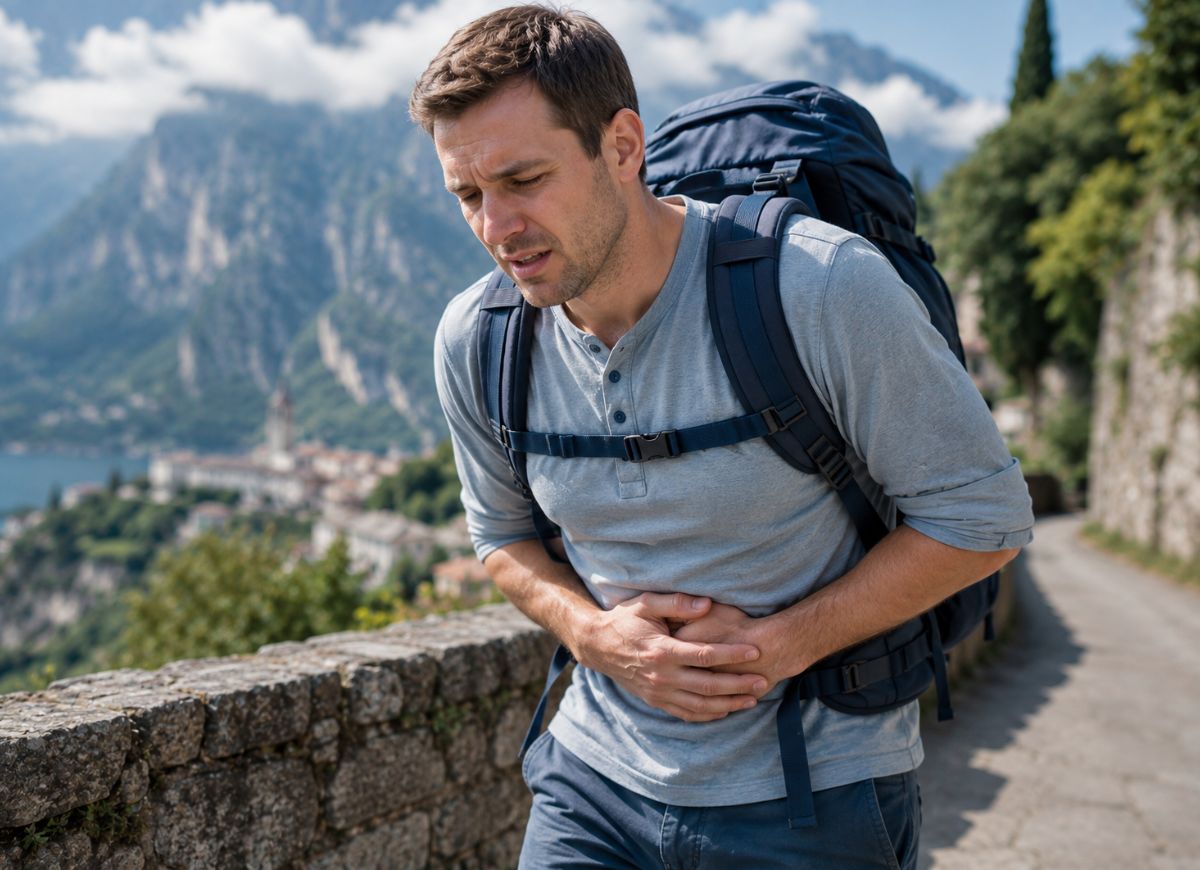
Traveling to a new destination often means trying different foods, exploring unfamiliar places, and experiencing a new culture. Unfortunately, a sudden digestive illness can quickly disrupt those plans. Traveler’s diarrhea is one of the most common illnesses affecting people who visit places where food, water, and sanitation conditions may differ from what they are used to.
Traveler’s diarrhea usually develops after harmful bacteria, viruses, or parasites enter the digestive system through contaminated food or drinks. It is especially common in areas where travelers may encounter microorganisms their bodies are not accustomed to.
Many cases are mild and improve within a few days, but some can become more serious. Symptoms may include frequent loose stools, stomach cramps, nausea, vomiting, fever, and weakness. The severity depends on the organism causing the illness and the person’s overall health.
Anyone can develop traveler’s diarrhea, including people who travel frequently and take precautions. Eating raw or undercooked food, drinking unsafe water, poor hand hygiene, and food prepared in unhygienic conditions can increase the risk. Children, older adults, and people with weakened immune systems may be more vulnerable to complications from dehydration.
Knowing the warning signs can help travelers respond quickly and seek medical care when necessary. In this article, we will explore 5 warning signs of traveler’s diarrhea and explain the causes, treatment options, prevention strategies, and potential complications.
5 Symptoms of Traveler’s Diarrhea
Persistent High Fever (over 102°F/38.9°C)
A persistent high fever can be an important warning sign that the infection is more serious than a mild case of traveler’s diarrhea. A temperature above 102°F (38.9°C) may occur when the immune system is responding strongly to an infection.
Some causes of traveler’s diarrhea mainly affect the intestines and may produce watery diarrhea with little or no fever. Other organisms, including Campylobacter, Salmonella, and Shigella, can cause more significant inflammation and may lead to fever.
When harmful organisms irritate or invade the intestinal lining, the immune system responds by releasing substances that help regulate body temperature. This can result in fever as the body works to fight the infection.
A high fever may also occur with chills, body aches, and fatigue. Because a high temperature can be a sign of a more significant infection, travelers with a persistent fever should seek medical advice rather than relying only on home treatment.
Blood or Mucus In The Stool
Blood or mucus in the stool can indicate inflammation or injury to the intestinal lining. This type of diarrhea is sometimes referred to as dysentery and may occur with infections caused by organisms such as Shigella, Campylobacter, enteroinvasive E. coli (EIEC), or certain parasites such as Entamoeba histolytica.
Invasive infections can damage the cells lining the intestine and trigger a strong inflammatory response. This may result in small areas of injury or ulceration that cause blood to appear in the stool.
The intestines naturally produce mucus, but inflammation can increase mucus production. As a result, mucus may become visible along with loose stool.
Blood or mucus may occur together with fever, abdominal cramps, and an urgent feeling that you need to have a bowel movement even when very little stool is present.
Because blood in the stool can indicate a more significant intestinal infection or another medical problem, it should not be ignored. Medical evaluation can help determine the cause and whether specific treatment is needed.
Severe and Continuous Abdominal Pain or Camping
Severe or persistent abdominal pain and cramping are warning signs that should receive medical attention. Mild cramps are common with diarrhea because the intestines contract as they move their contents through the digestive tract. However, intense or continuous pain can indicate more significant inflammation.
Infections caused by organisms such as Salmonella, Shigella, and Campylobacter can produce substantial inflammation in the intestinal lining. This may cause pain that is stronger or more persistent than the cramping associated with a mild case.
Severe intestinal inflammation may also cause tenesmus. This refers to a frequent and uncomfortable urge to have a bowel movement even when little stool is present.
Persistent pain can sometimes indicate complications or another condition affecting the digestive tract. Although serious complications are uncommon, severe and unrelenting abdominal pain should be assessed by a healthcare professional.
Minimal Urination or Dizziness
Minimal urination, dizziness, or lightheadedness can be signs of significant dehydration. Traveler’s diarrhea can cause the body to lose large amounts of water and electrolytes, especially when diarrhea occurs frequently or is accompanied by vomiting.
Early dehydration may cause increased thirst, dry mouth, weakness, and darker urine. As fluid loss becomes more severe, urination may become much less frequent.
Dizziness or lightheadedness, particularly when standing, can occur when there is not enough fluid circulating in the bloodstream. More serious dehydration may cause extreme fatigue, confusion, a rapid heartbeat, or very little urine.
Oral rehydration solutions (ORS) can help replace both fluids and electrolytes. However, people who are unable to keep fluids down or who develop severe signs of dehydration may require urgent medical treatment, including intravenous fluids.
Diarrhea After 48 Hours
Diarrhea that continues without improvement after 48 hours deserves attention, particularly if symptoms are becoming worse.
Many cases of traveler’s diarrhea improve within a few days, but persistent symptoms can sometimes be caused by organisms that take longer to clear. Certain parasites, including Giardia and Cryptosporidium, may cause prolonged digestive symptoms.
Persistent diarrhea may involve ongoing loose stools, abdominal cramps, bloating, gas, fatigue, or weakness. Some infections can continue for weeks if they are not properly diagnosed and treated.
Continued diarrhea also increases the risk of dehydration and loss of important nutrients. If symptoms are not improving after two days, become more severe, or are accompanied by fever, blood in the stool, severe pain, or dehydration, medical evaluation may be necessary.
Causes of Traveler’s Diarrhea
Traveler’s diarrhea can be caused by bacteria, viruses, or parasites. Bacterial infections are common causes, with Enterotoxigenic E. coli (ETEC) being one of the organisms frequently associated with traveler’s diarrhea.
Other causes include bacteria such as Campylobacter, Salmonella, and Shigella, as well as viruses such as Norovirus and Rotavirus. Parasites including Giardia and Cryptosporidium can also cause the illness, particularly when symptoms persist.
These organisms are usually spread through the fecal-oral route. This means a person becomes infected after consuming food or water contaminated with microscopic amounts of fecal matter from an infected person or animal.
Primary Bacterial, Viral, and Parasitic Culprits
There are three main categories of organisms that can cause traveler’s diarrhea: bacteria, viruses, and parasites. Each can produce different symptoms and may have a different duration of illness.
Bacterial infections are among the most common causes. Enterotoxigenic E. coli (ETEC) is a frequent cause worldwide and can produce toxins that cause the intestines to release large amounts of water, resulting in watery diarrhea.
Campylobacter jejuni can cause inflammatory diarrhea and is often associated with undercooked poultry. It may cause abdominal pain, fever, and sometimes bloody stools.
Salmonella can be spread through contaminated food, including eggs, poultry, and unpasteurized dairy products. Symptoms may range from diarrhea and abdominal discomfort to more serious illness.
Shigella is highly contagious and can cause diarrhea, fever, severe cramps, and dysentery with blood or mucus in the stool.
Viruses are another possible cause. Norovirus is particularly contagious and can cause sudden vomiting and watery diarrhea. It can spread quickly in crowded environments such as cruise ships, hotels, and other shared spaces.
Rotavirus can cause significant diarrhea, particularly in infants and young children, although adults can also become infected.
Parasitic infections often develop more gradually and may cause longer-lasting symptoms. Giardia lamblia, also known as G. intestinalis, is a waterborne parasite that can cause prolonged diarrhea, bloating, gas, and greasy stools.
Cryptosporidium is another waterborne parasite that can cause watery diarrhea and may be difficult to eliminate in certain environments because of its resistance to chlorine.
How are Infections Typically Transmitted Through Food and Water?
Traveler’s diarrhea is commonly spread by consuming food or water contaminated with bacteria, viruses, or parasites. The risk can be higher in places where sanitation, water treatment, or food-handling practices differ from what travelers are accustomed to.
Contamination can occur when food is prepared with unsafe water, handled by someone with poor hygiene, or served raw or undercooked.
Unsafe water is an important source of infection in some destinations. Travelers may be exposed by drinking untreated tap water or using contaminated water to brush their teeth.
Ice can also be a source of infection when it is made from unsafe water. Freezing does not reliably eliminate many disease-causing organisms.
Swimming in contaminated lakes, rivers, or poorly maintained pools can also lead to infection if contaminated water is accidentally swallowed.
Certain foods carry a higher risk when they are raw or not cooked properly. Undercooked meat, poultry, seafood, and raw shellfish can contain harmful organisms.
Raw fruits and vegetables can also pose a risk if they were washed with contaminated water or handled with unclean hands. A commonly used food-safety rule for travelers is to boil it, cook it, peel it, or avoid it.
Street food can be enjoyable, but food safety depends heavily on how it is prepared and stored. Food kept at room temperature for long periods may allow bacteria to multiply, especially when utensils or preparation surfaces are not clean.
Buffet foods and sauces can also become contaminated when they are left out for extended periods or handled by many people.
Treatment for Traveler’s Diarrhea
The main priority when treating traveler’s diarrhea is replacing lost fluids and electrolytes. Oral rehydration solutions (ORS) are particularly useful because they provide both water and important electrolytes.
Mild cases may improve with rest, fluids, and careful food choices. However, severe symptoms require medical attention to determine whether additional treatment is needed.
Over-the-counter anti-diarrheal medications should be used carefully. They may not be appropriate for people with high fever or bloody stools because slowing the movement of the intestines may not be advisable in certain infections.
The presence of high fever, blood or mucus in the stool, severe abdominal pain, significant dehydration, or persistent diarrhea should prompt medical evaluation.
Clear Criteria for Seeking Immediate Medical Attention?\
Medical attention is particularly important when traveler’s diarrhea is accompanied by one or more serious warning signs. These include a high fever, blood or mucus in the stool, severe abdominal or rectal pain, significant dehydration, or diarrhea that continues without improvement.
A temperature of 102°F (38.9°C) or higher can indicate a more significant infection and should be evaluated, especially when accompanied by other symptoms.
Visible blood or significant mucus in the stool may indicate inflammation or an invasive intestinal infection and should be assessed by a healthcare professional.
Severe, persistent abdominal pain is another reason to seek care. Pain that is much stronger than typical diarrhea cramps may indicate significant inflammation or another digestive problem.
Medical attention is also important if you cannot keep fluids down because of repeated vomiting or develop signs of severe dehydration. These may include confusion, significant dizziness, a rapid heartbeat, or very little or no urination.
If diarrhea continues beyond 48 hours without improvement or becomes progressively worse, a healthcare professional may need to investigate the underlying cause. Stool testing may be recommended in some cases to identify bacterial, viral, or parasitic infections.
Rehydration Strategies and Medications Used to Manage a Gut Infection
The most important part of managing diarrhea is replacing the fluids and electrolytes that the body loses.
Oral rehydration solutions (ORS) contain a carefully balanced combination of water, salts, and glucose. This combination helps the intestines absorb fluids more effectively than plain water alone.
Travelers may find it useful to carry ORS packets while visiting destinations where traveler’s diarrhea is more common. Taking small, frequent sips can make it easier to replace fluids, especially when nausea is present.
Antibiotics may be prescribed for certain moderate or severe bacterial cases, depending on the symptoms and likely cause. They are not effective against viral infections and are not appropriate for every case of diarrhea.
Parasitic infections require different treatments. For example, some cases of giardiasis may require specific prescription medication. A healthcare professional can determine whether testing or medication is appropriate.
Advanced Insights: Prevention, Complications, and Related Conditions
Understanding traveler’s diarrhea involves more than knowing its symptoms. Prevention, proper diagnosis, possible complications, and awareness of related digestive conditions can all help travelers manage the illness more effectively.
Most people recover without long-term problems, but some may develop ongoing digestive symptoms after an infection. Knowing when to seek medical care and how to reduce exposure can help lower the risk of complications.
Most Effective Strategies for Preventing Traveler’s Diarrhea
Preventing traveler’s diarrhea starts with being careful about food, water, and personal hygiene. A simple food-safety principle is to boil it, cook it, peel it, or avoid it.
Choose foods that are thoroughly cooked and served hot whenever possible. Fruits that can be peeled yourself, such as bananas and oranges, are generally easier to manage safely than raw foods that have already been cut or prepared.
Be cautious with street food, particularly when food is not cooked fresh or is kept at room temperature for long periods.
Water safety is also important. In areas where tap water may not be safe, use factory-sealed bottled water or properly treated water for drinking and brushing your teeth.
Ice can also be risky if it was made with unsafe water, so avoiding ice may be advisable in high-risk settings.
Hand hygiene is another important prevention measure. Wash your hands thoroughly with soap and clean water before eating and after using the bathroom.
When soap and water are unavailable, an alcohol-based hand sanitizer containing at least 60% alcohol can help reduce germs on the hands.
In certain situations, healthcare professionals may recommend preventive measures. Bismuth subsalicylate has been shown to reduce the risk of traveler’s diarrhea in some people.
Preventive antibiotics are generally not recommended for most travelers because of potential side effects and concerns about antibiotic resistance. Some vaccines may provide protection against specific infections, although they do not prevent every cause of traveler’s diarrhea.
Traveler’s Diarrhea Leading to Long-term Gut Problems
Most people recover fully from traveler’s diarrhea, but some may develop ongoing digestive symptoms afterward. One possible complication is post-infectious Irritable Bowel Syndrome (PI-IBS).
PI-IBS can cause symptoms such as abdominal pain, bloating, gas, diarrhea, constipation, or changes in normal bowel habits. These symptoms may continue for months or longer after the original infection has cleared.
The exact reason this happens is not completely understood, but intestinal inflammation, changes in the gut microbiome, and increased sensitivity of the digestive system may all play a role.
The risk may be higher after certain bacterial infections, including those caused by Campylobacter, Salmonella, or Shigella. More severe or prolonged infections may also increase the risk.
Even after the original organism has been eliminated, changes in the intestinal environment may continue to affect digestion and bowel function.
In some cases, changes in the gut microbiome can affect digestion and intestinal movement. Inflammation may also contribute to increased sensitivity, causing normal digestive sensations to feel uncomfortable or painful.
Diagnosis of The Cause of a Gut Infection
Doctors can often identify the likely cause of traveler’s diarrhea by reviewing symptoms, travel history, and possible food or water exposures. In more serious or prolonged cases, stool testing may be used to identify the specific organism.
Stool tests can look for signs of inflammation and may identify bacteria, viruses, or parasites.
A stool culture can identify certain bacterial infections by allowing the organism to grow in a laboratory. Although this method can be reliable, results may take several days.
Modern molecular tests, including Polymerase Chain Reaction (PCR) testing, can identify genetic material from multiple bacteria, viruses, and parasites from a single stool sample. These tests can provide results more quickly than traditional cultures in some settings.
Tests for parasites may include microscopic examination or specific antigen testing for organisms such as Giardia and Cryptosporidium.
If the illness is severe or dehydration is suspected, blood tests may also be performed to check for infection, electrolyte abnormalities, or other complications.
Infectious Traveler’s Diarrhea vs. Non-infectious Food Poisoning
Traveler’s diarrhea and food poisoning can produce similar symptoms, but their causes and timing can differ.
Infectious traveler’s diarrhea occurs when a person consumes bacteria, viruses, or parasites that cause infection in the digestive system. These organisms generally need time to multiply or trigger an inflammatory response.
Some types of food poisoning occur after a person consumes toxins that were already produced by bacteria in food. Examples include toxins associated with Staphylococcus aureus or Bacillus cereus.
Because the toxin is already present, symptoms can begin very quickly, sometimes within a few hours after eating contaminated food.
Infectious diarrhea may take longer to develop, depending on the organism involved. Symptoms may include watery diarrhea, abdominal cramps, nausea, and sometimes fever.
Toxin-related food poisoning is often dominated by sudden nausea and vomiting and may resolve within a relatively short period.
Traveler’s diarrhea can last several days, although the duration depends on the specific cause. Some bacterial and parasitic infections may last longer.
Blood or mucus in the stool is more concerning for an inflammatory or invasive intestinal infection and should be medically evaluated.
FAQs
1. Does traveler’s diarrhea resolve on its own?
Yes, many cases of traveler’s diarrhea improve on their own within a few days. Rest, adequate fluids, and replacement of lost electrolytes can support recovery.
However, severe symptoms such as high fever, blood in the stool, significant dehydration, or persistent diarrhea require medical attention.
2. How contagious is traveler’s diarrhea?
Traveler’s diarrhea can be contagious depending on the organism causing it. Certain bacteria, viruses, and parasites can spread through contaminated food, water, hands, or surfaces.
Good hand hygiene and careful food handling can help reduce the risk of passing an infection to other people.
3. What are the stages of traveler’s diarrhea?
Traveler’s diarrhea generally begins after an incubation period following exposure. Symptoms may then develop suddenly, including loose stools, abdominal cramps, nausea, or vomiting.
As the infection clears, symptoms gradually improve and the digestive system begins to return to normal. Mild cases often resolve within a few days, although some infections can last longer.
4. Does traveler’s diarrhea smell bad?
Traveler’s diarrhea can sometimes have a stronger or unusual odor than normal bowel movements. Changes in digestion, intestinal inflammation, and the specific organism involved can all affect stool odor.
However, smell alone cannot determine how serious the infection is.
5. Where is the most common place to get traveler’s diarrhea?
Traveler’s diarrhea is more common in destinations where travelers may encounter unfamiliar microorganisms or different sanitation and food-handling conditions.
Higher-risk areas can include parts of Latin America, Africa, the Middle East, and Asia. However, traveler’s diarrhea can occur anywhere contaminated food or water is consumed.
6. Does diarrhea flush out a stomach bug?
Diarrhea is one of the body’s responses to harmful organisms or toxins in the digestive system, but it does not necessarily remove the entire infection.
The immune system still needs to clear the underlying cause. Maintaining adequate hydration is especially important because frequent diarrhea can lead to significant fluid and electrolyte loss.
7. How fast do you get traveler’s diarrhea?
The timing varies depending on the organism responsible. Some infections can cause symptoms within hours, while others may take several days to appear.
The incubation period depends on the specific bacteria, virus, or parasite and how the individual’s body responds to the infection.
Conclusion
Traveler’s diarrhea is a common illness that can quickly disrupt a trip, particularly when travelers are exposed to unfamiliar microorganisms through contaminated food or water. While many cases are mild and improve within a few days, some infections can become more serious.
Recognizing warning signs such as persistent high fever, blood or mucus in the stool, severe abdominal pain, signs of dehydration, or diarrhea that continues without improvement can help travelers seek care when it is needed.
Careful food and water choices, regular handwashing, and proper hydration are important parts of prevention and recovery. Travelers who understand how the illness spreads and know when to seek medical attention can better protect their health while away from home.
With appropriate care, most people recover from traveler’s diarrhea. Being prepared and recognizing concerning symptoms early can make the experience easier to manage and help reduce the risk of complications.