
4 Symptoms of a Sinus Infection You Might Be Overlooking
Sinus infections, also known as sinusitis, are common, but their early symptoms are not always easy to recognize. Most people associate sinus infections with a blocked nose, facial pressure, or a runny nose. However, the condition can sometimes begin with less obvious symptoms such as tiredness, headaches, or mild facial discomfort, making it easy to mistake for something else.
Millions of adults experience sinus infections each year, and some cases are overlooked because the first symptoms can resemble allergies, a common cold, or simple fatigue. When sinusitis is not properly managed, it may become chronic and contribute to ongoing headaches, ear problems, or other respiratory complications. Recognizing possible warning signs early can help with timely care.
Sinus infections may develop slowly, and their initial symptoms can be subtle. Mild pressure around the forehead or cheeks, a slight headache, post-nasal drip, or changes in smell and taste may not immediately seem related to the sinuses. Paying attention to these changes can help identify a developing problem.
This article covers 4 symptoms of a sinus infection that are easy to overlook. Recognizing these signs can help you understand what may be happening and determine when professional care may be appropriate.
Being aware of subtle changes in your nose, face, and head can make it easier to respond before sinus problems become persistent. Early awareness is an important part of maintaining better sinus health.
4 Key Symptoms of A Sinus Infection
Sinus Pressure and Facial Pain
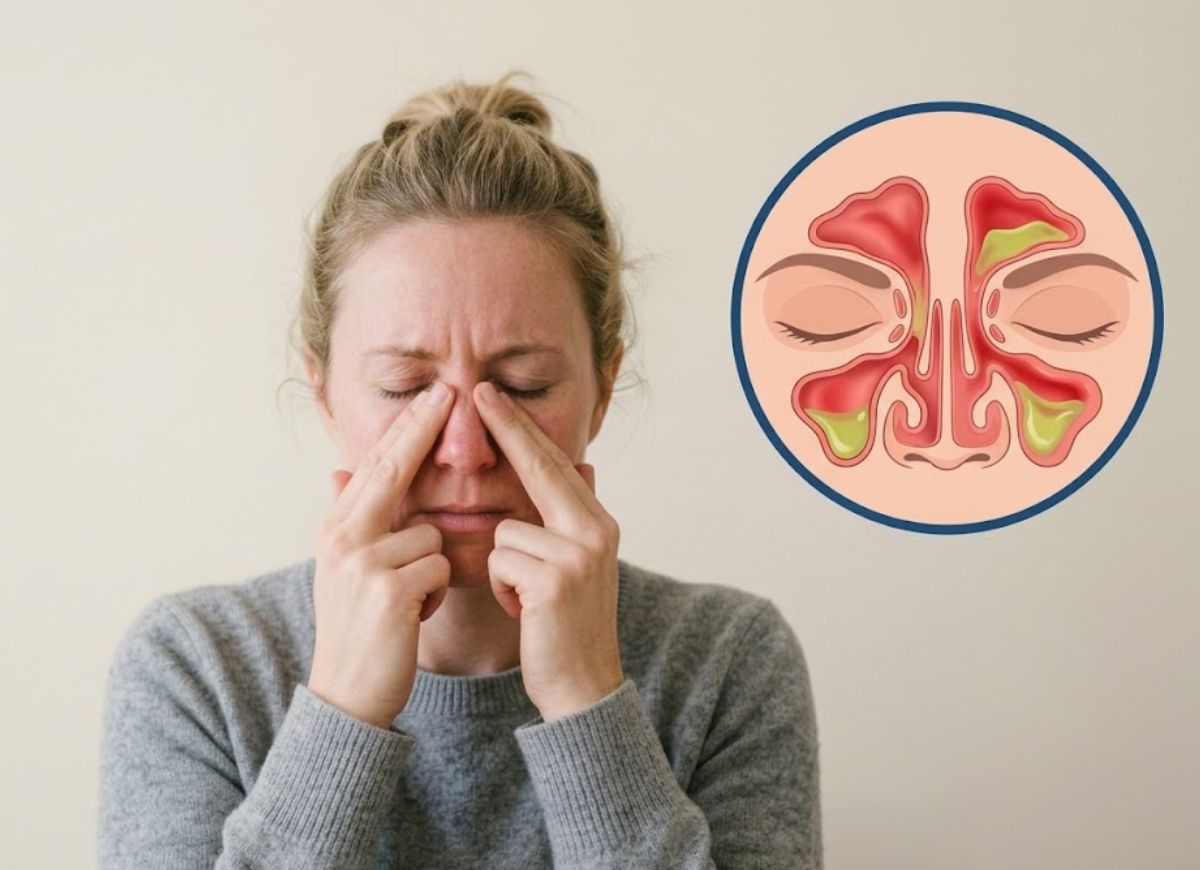
Sinus pressure and facial pain usually feel like a constant dull ache, throbbing sensation, or fullness around the eyes, cheeks, forehead, or upper teeth. This is one of the most recognizable symptoms of sinusitis and can occur when inflammation and blockage prevent normal drainage from the sinus cavities.
When the sinus lining becomes swollen, the small drainage openings called ostia can become blocked. Mucus and air may then become trapped inside the cavities, increasing pressure against the surrounding tissues and producing facial discomfort.
The location of the pain may also provide clues about which sinuses are affected. Frontal sinusitis involves the sinuses in the forehead and can cause pressure above the eyes. This may resemble a tension headache, although sinus-related discomfort is often more localized.
Maxillary sinusitis affects the sinus cavities around the cheeks. It can cause pain beneath the eyes and across the cheeks, sometimes extending into the upper jaw and teeth. Because of this, some people initially think they have a dental problem.
Ethmoid sinusitis affects the sinuses between the eyes and can produce pressure around or behind the eyes and along the bridge of the nose. Less commonly, sphenoid sinusitis, which involves the deeper sinuses behind the nose, may cause a deep headache felt behind the eyes or toward the top of the head.
Sinus-related facial pressure may become more noticeable when you bend forward or lie down. Changes in position can affect pressure within the inflamed sinus cavities. The discomfort is often described as a deep, steady ache rather than a brief or sharp pain.
Constitutes Nasal Congestion or A Stuffy Nose
Nasal congestion during a sinus infection occurs when inflammation causes the nasal passages and sinus tissues to swell. This swelling narrows the normal airway and can make breathing through the nose difficult.
The tissues lining the nose, known as the nasal mucosa, become inflamed and enlarged. The turbinates, which help warm and humidify inhaled air, can also swell significantly during sinusitis. In more severe cases, this can make nasal breathing extremely difficult.
As a result, you may begin breathing through your mouth. This can cause a dry mouth or irritated throat and may interfere with sleep. Some people may also experience increased snoring when congestion is severe.
Nasal blockage can also reduce the sense of smell. When air cannot move normally through the upper part of the nasal cavity, odor molecules may have difficulty reaching the receptors responsible for detecting smells.
Unlike occasional congestion associated with a mild cold, sinus-related stuffiness may remain persistent. Both nostrils can feel blocked, and temporary relief from decongestants may not last long. Continued blockage can also interfere with normal mucus drainage and contribute to facial pressure.
Postnasal Drip
Postnasal drip occurs when mucus moves from the back of the nasal passages down into the throat. During sinusitis, inflammation and congestion can interfere with normal mucus drainage, causing thicker mucus to accumulate and move backward.
Normally, the nose and sinuses produce mucus to trap dust, germs, and other particles. Most of this mucus is swallowed without being noticed. During a sinus infection, increased mucus production and congestion can change this normal process.
A person may feel mucus constantly sliding down the back of the throat, creating an urge to swallow or clear the throat repeatedly. The thick mucus can irritate the throat and cause soreness, scratchiness, or a raw sensation.
Postnasal drip can also trigger coughing, especially at night. When you lie down, mucus may collect toward the back of the throat, stimulating the cough reflex.
In addition, mucus associated with sinus problems can contribute to unpleasant breath. Frequent throat clearing may also cause temporary hoarseness or changes in the voice.
Deep, Persistent, and Throbbing Headache
A sinus-related headache may feel deep, persistent, and throbbing. The discomfort can occur around the forehead, between the eyes, or across the cheeks and upper jaw, depending on which sinus cavities are affected.
The pain may become stronger when bending forward, leaning over, or moving the head suddenly. Changes in position can increase pressure within inflamed sinus cavities and make the discomfort more noticeable.
Unlike some migraine headaches, which can involve nausea and sensitivity to light, sinus-related headaches are often associated with congestion, facial pressure, and other nasal symptoms. Tension headaches may feel like a tight band around the head, while sinus discomfort tends to be concentrated around specific facial areas.
Pressure from the maxillary sinuses can sometimes feel like pain in the upper teeth because the roots of some upper teeth are close to the sinus floor. Frontal sinus inflammation can instead produce discomfort across the forehead.
Some people notice their symptoms more strongly in the morning after spending several hours lying down. As the day progresses and the person remains upright, drainage may improve and some of the pressure may decrease.
Different Types of Sinus Infections
Sinus infections, or sinusitis, can be classified according to how long symptoms last and how frequently they return. These categories help healthcare professionals understand whether the condition is short-term, persistent, or recurring.
Acute sinusitis generally begins suddenly and produces symptoms similar to a cold, including nasal congestion, runny nose, and facial discomfort. It typically lasts less than four weeks. Many cases are caused by viruses and improve without extensive treatment.
When symptoms continue for more than four weeks but resolve before reaching 12 weeks, the condition is considered subacute sinusitis. This can occur when inflammation or an infection takes longer than expected to clear.
Chronic sinusitis is diagnosed when symptoms continue for 12 weeks or longer. Symptoms may include ongoing congestion, facial pressure, reduced smell, and nasal polyps. Chronic sinusitis is often strongly associated with persistent inflammation rather than an active infection alone.
Recurrent acute sinusitis refers to repeated separate episodes. A person may experience four or more acute episodes in a year, with periods of complete improvement between them. Repeated infections can sometimes be associated with allergies, structural problems, or other factors that interfere with normal sinus drainage.
What Causes a Sinus Infection to Develop?
A sinus infection can develop when inflammation and swelling block the sinus drainage pathways. Viral infections are a common trigger, although bacterial and fungal infections, allergies, and anatomical problems can also contribute.
The small openings connecting the sinus cavities with the nasal passages are called sinus ostia. When these openings become blocked, mucus cannot drain normally. Trapped mucus can then create an environment where microorganisms may multiply.
The original trigger may differ from person to person. A cold, allergic reaction, or structural blockage can begin the inflammatory process, but impaired drainage is an important part of how sinusitis develops.
A Common Cold
A common cold is one of the most frequent conditions that can occur before sinusitis. Viral infections can cause swelling inside the nose and increase mucus production, which may block the sinus drainage openings.
Viruses such as rhinoviruses can affect the membranes lining the nose and sinuses. The immune system responds by creating inflammation and increasing mucus production. This leads to familiar cold symptoms such as sneezing, congestion, and a runny nose.
If swelling becomes significant, the narrow sinus drainage pathways can become obstructed. Mucus that normally moves out of the sinus cavities may then become trapped.
The tiny hair-like structures called cilia normally help move mucus toward the nasal passages. When drainage is impaired, mucus can become thicker and remain inside the sinuses for longer.
Sometimes a person begins recovering from a cold and then suddenly becomes worse. This pattern, often called “double worsening,” may suggest that a secondary bacterial sinus infection has developed. Symptoms can include increasing facial pain, worsening congestion, renewed fever, or thicker nasal discharge.
Allergies
Allergies can also contribute to sinus problems. Exposure to triggers such as pollen, dust mites, mold, or pet dander can cause inflammation and swelling inside the nose and sinus passages.
During an allergic reaction, the immune system releases substances such as histamine. These chemicals contribute to swelling of the nasal tissues and increased mucus production.
Persistent allergic inflammation, known as allergic rhinitis, can make the nasal passages chronically congested. When the sinus openings become narrowed or blocked, normal mucus drainage can be disrupted.
The buildup of mucus may increase the risk of secondary infection. People with persistent allergies may therefore be more likely to experience recurring sinus symptoms.
Long-term allergic inflammation may also contribute to nasal polyps. These soft, noncancerous growths can interfere with sinus drainage if they become large enough to block the passages.
Managing underlying allergies can therefore be an important part of reducing sinus problems. Treatments may include antihistamines, nasal corticosteroid sprays, or allergy immunotherapy when recommended by a healthcare professional.
Sinus Infection vs. Common Cold or Allergies
Sinus infections, common colds, and allergies can share symptoms such as congestion and a runny nose, which can make them difficult to distinguish. However, the duration, severity, and combination of symptoms can provide useful clues.
Sinusitis may produce more noticeable facial pressure or pain and can persist longer than a typical cold. Allergies commonly cause clear nasal discharge, sneezing, and itchy eyes, while sinus infections may involve thicker mucus and more localized facial discomfort.
Understanding these differences is important because treatment depends on the underlying cause. Viral colds generally do not benefit from antibiotics, while allergies require management of the allergic response.
The Duration of Symptoms In a Cold and a Sinus Infection
A common cold usually reaches its strongest point within the first few days and gradually improves over about 7 to 10 days. An acute bacterial sinus infection may last longer without improvement or may initially improve before symptoms become worse again.
A typical cold may begin with a scratchy throat, sneezing, runny nose, and congestion. Symptoms often become more noticeable over the first several days before gradually improving.
One clue that may point toward bacterial sinusitis is symptoms continuing for more than 10 days without noticeable improvement. Another is the double-worsening pattern, in which a person begins recovering from a cold but then suddenly develops more severe congestion, facial pain, fever, or nasal discharge.
Acute sinusitis can last up to four weeks, while chronic sinusitis involves symptoms continuing for at least 12 weeks.
Unique Symptoms of a Sinus Infection Compared to Allergies
Symptoms that may be more suggestive of sinusitis include facial pressure or pain, thicker nasal discharge, tooth discomfort, bad breath, and sometimes fever. Allergies are more commonly associated with repeated sneezing, itchy eyes, and clear, watery nasal drainage.
Both allergies and sinusitis can cause congestion, but the surrounding symptoms can help distinguish them. Sinusitis may cause pressure over the forehead, cheeks, or area between the eyes because of inflammation and impaired drainage.
Allergic rhinitis generally produces thin, clear mucus, while sinusitis can produce thicker and discolored nasal discharge. However, mucus color alone cannot always determine whether an infection is bacterial.
Fever can occur with infections but is not typically associated with allergies. Pressure around the maxillary sinuses can also cause discomfort in the upper teeth.
Another important difference is itching. Allergies frequently cause itching in the nose, eyes, throat, or roof of the mouth. Itching is much less characteristic of sinusitis.
Sinus Infection Diagnosis
A sinus infection is generally diagnosed by combining the patient’s symptoms, medical history, and physical examination. Doctors may consider how long symptoms have been present, whether they are improving or worsening, the type of nasal discharge, the location of facial pain, and whether fever or fatigue is present.
During an examination, a healthcare professional may look inside the nose for swelling, redness, or drainage. They may also check the forehead and cheeks for tenderness associated with sinus pressure.
For persistent or complicated cases, additional testing may be considered. Nasal endoscopy uses a thin tube with a light and camera to allow an ENT specialist to examine the nasal passages and sinus openings more closely. It may identify nasal polyps, blockages, or structural problems such as a deviated septum.
Imaging is generally more useful for chronic, recurrent, or complicated sinus problems. A CT scan can provide detailed images of the sinus cavities and show inflammation, trapped fluid, or structural changes.
In certain situations, a nasal or sinus culture may be performed. A sample of mucus can be collected to identify microorganisms and help guide treatment when a specific infection is suspected.
Can a Sinus Infection Be Fungal Instead of Bacterial?
Yes, fungal sinusitis can occur, although it is much less common than viral or bacterial sinusitis. Fungal sinusitis includes several different conditions, and they do not all behave in the same way.
One form is allergic fungal rhinosinusitis (AFRS), which is primarily an allergic response to fungi rather than an invasive fungal infection. It can result in thick mucus, nasal polyps, chronic congestion, and facial pressure.
Another type is a fungus ball, also called a mycetoma. This occurs when fungal material collects within a sinus cavity, often without invading the surrounding tissues.
Invasive fungal sinusitis is much more serious and is mainly seen in people with severely weakened immune systems. Acute invasive fungal sinusitis can progress rapidly and may affect sinus tissues, blood vessels, eyes, or the brain. It requires urgent medical treatment.
Chronic invasive fungal sinusitis develops more slowly and can gradually damage surrounding sinus tissues.
Diagnosis may involve CT imaging, nasal endoscopy, and tissue sampling. Treatment depends on the specific type and may involve removing fungal material surgically and using antifungal medication. This differs substantially from the treatment used for bacterial sinusitis.
Sinus Infection vs. COVID-19
Sinus infections and COVID-19 can share symptoms such as congestion, headaches, fatigue, sore throat, and changes in smell. Because of this overlap, symptoms alone may not always clearly distinguish the two conditions.
Loss of smell can occur with both conditions. With sinusitis, reduced smell is often related to severe nasal swelling and congestion preventing odors from reaching the smell receptors. With COVID-19, changes in smell can occur even when significant nasal congestion is absent.
Sinusitis is more commonly associated with localized facial pressure, pain around the forehead or cheeks, tooth discomfort, and nasal congestion. Thick nasal discharge may also occur.
COVID-19 can produce more generalized symptoms, including cough, fever, chills, body aches, and fatigue. Some people may also experience shortness of breath or gastrointestinal symptoms.
Sore throat can occur with both conditions. With sinusitis, throat irritation is often related to postnasal drip, while COVID-19 can cause a direct sore or irritated throat.
Because symptoms can overlap, testing may be necessary when COVID-19 is a possibility, particularly when respiratory or systemic symptoms are present.
FAQs
1. What kills a sinus infection naturally?
Many mild sinus infections, especially viral cases, improve on their own with supportive care. Drinking enough fluids can help maintain hydration and keep mucus less thick, while adequate rest supports normal recovery.
Steam from a warm shower may moisturize the nasal passages and temporarily improve congestion. Saline nasal sprays or rinses can also help clear mucus and irritants from the nasal passages when used appropriately.
A balanced diet containing foods such as fruits, vegetables, ginger, garlic, and other nutrient-rich foods can support general health. However, these foods should not be considered a replacement for medical treatment when a serious infection is present.
If symptoms become severe, continue for more than 10 days without improvement, or include significant swelling, severe pain, or high fever, medical evaluation is recommended.
2. Can a sinus infection go away on its own?
Yes, many sinus infections improve without prescription treatment, particularly when they are caused by viruses. Symptoms such as congestion, facial pressure, mild headache, and postnasal drip may gradually improve over several days.
Bacterial infections may last longer and can sometimes require medical treatment. Persistent or worsening symptoms should be evaluated rather than simply ignored.
3. What is mistaken for a sinus infection?
Several conditions can produce symptoms similar to sinusitis. Allergies can cause congestion, sneezing, runny nose, and facial pressure, while colds and other viral respiratory infections can cause congestion, headaches, and fatigue.
Migraines, dental infections, and temporomandibular joint (TMJ) problems can also cause facial or head pain that may be mistaken for sinus pressure. A healthcare professional can help determine the actual cause when symptoms are unclear or persistent.
4. What drink will clear my sinuses?
Warm fluids such as herbal tea, clear broth, and warm water can help soothe irritated throat and nasal tissues while supporting hydration. Some people also find beverages containing ginger, lemon, or peppermint soothing.
Staying hydrated can help keep mucus from becoming excessively thick. Limiting alcohol is also helpful because alcohol can contribute to dehydration.
5. What not to do during a sinus infection?
Avoid smoking and exposure to secondhand smoke because these can irritate the nasal passages and make symptoms worse. Avoid forcefully blowing your nose, as excessive pressure can irritate already inflamed tissues.
Alcohol should be limited if it contributes to dehydration. Also, avoid taking antibiotics without medical advice because many sinus infections are viral and do not respond to antibiotics.
6. What are the worst days of a sinus infection?
Symptoms often become particularly noticeable during the first several days, when congestion, inflammation, facial pressure, and headaches may be strongest. The exact timing varies from person to person and depends on the cause of the sinus symptoms.
Rest, hydration, appropriate symptom relief, and monitoring the course of the illness can help during this period.
7. What is a silent sinus infection?
A silent or chronic sinus problem may produce relatively mild symptoms rather than obvious severe pain or fever. A person may notice ongoing congestion, fatigue, reduced smell, or occasional facial pressure.
When sinus symptoms persist for an extended period, medical evaluation can help determine whether chronic sinusitis, allergies, structural problems, or another condition is responsible.
8. Do hot showers help sinus infections?
Warm showers can provide temporary relief by adding moisture to the air and helping loosen thick mucus. The warmth may also make facial pressure and nasal congestion feel less uncomfortable.
Spending several minutes in a comfortably warm, steamy bathroom may help some people breathe more easily. Hydration and saline nasal care can also be useful for managing congestion.
9. How do I massage my sinuses to drain?
Gentle facial massage may help some people feel less pressure. Using clean fingertips, lightly massage around the forehead, cheeks, sides of the nose, and jaw in small circular movements.
The pressure should remain gentle, especially around areas that are tender. Massage can be combined with warm steam or saline nasal care for additional comfort.
10. How to sleep with sinusitis?
Elevating your head while sleeping can help reduce the sensation of congestion and encourage mucus drainage. Extra pillows or a wedge pillow may make breathing more comfortable.
Keeping the bedroom comfortably humid, staying hydrated, and using saline nasal care before bed may also help. Avoiding a completely flat sleeping position can reduce the feeling of pressure for some people.
Conclusion
Sinus infections can cause a wide range of symptoms, and some of the early signs may be easy to overlook. Facial pressure, nasal congestion, postnasal drip, and persistent headaches can all provide clues that the sinuses are inflamed or blocked.
Supportive measures such as staying hydrated, using gentle steam, practicing appropriate nasal saline care, and getting enough rest may help manage mild symptoms. Identifying whether symptoms are related to a sinus infection, cold, or allergies is also important because the appropriate treatment can differ.
Many sinus infections improve naturally, but persistent, severe, recurrent, or worsening symptoms should be evaluated by a healthcare professional. Early attention can help identify bacterial, chronic, or fungal sinus problems and reduce the risk of complications.