
8 Common GERD Symptoms That Shouldn’t Be Overlooked
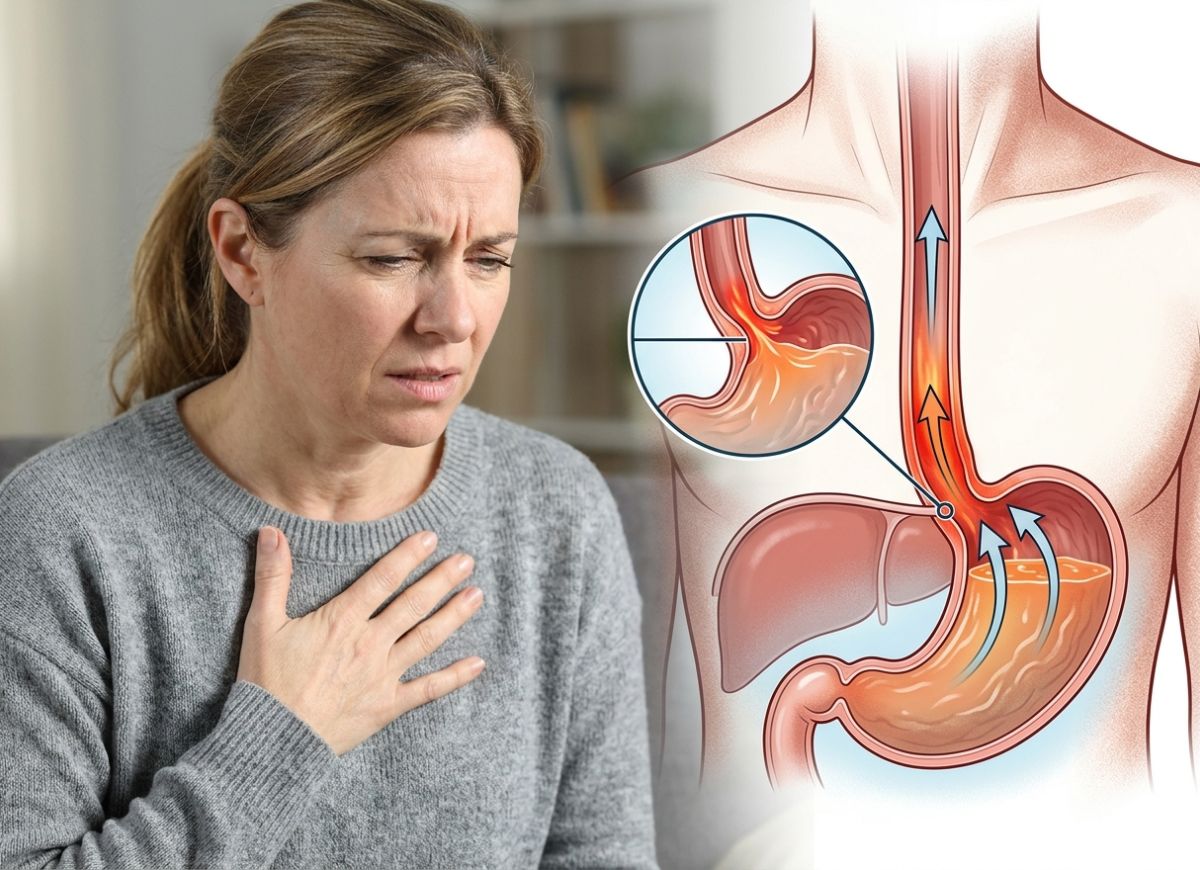
Gastroesophageal reflux disease (GERD) is a common digestive condition that affects millions of people. While occasional acid reflux can happen to almost anyone, frequent or troublesome reflux may be a sign of GERD and should not always be dismissed as simple indigestion.
Modern lifestyle habits can contribute to more frequent reflux symptoms. Large meals, irregular eating patterns, highly processed foods, stress, limited physical activity, and excess weight can all play a role in making symptoms worse.
GERD can affect people of different ages, and its symptoms are not limited to the familiar burning sensation called heartburn. Some people may experience regurgitation, swallowing difficulties, chest discomfort, coughing, throat irritation, or changes in their voice.
Recognizing these symptoms can help you understand when occasional reflux may have developed into a recurring problem. Here are 8 common GERD symptoms that are worth paying attention to.
Symptoms of GERD to Watch Out for
Heartburn (Acid Indigestion)
Heartburn, sometimes called acid indigestion, is one of the most recognizable symptoms of GERD. It usually feels like a burning sensation behind the breastbone and may travel upward toward the chest, neck, or throat.
This discomfort happens when stomach contents flow backward into the esophagus. Because the lining of the esophagus is not designed to handle repeated exposure to stomach acid, reflux can irritate the area and create the familiar burning feeling.
Heartburn commonly occurs after eating, especially after a large meal. Certain foods may also trigger symptoms in some people, including spicy or fatty foods. Bending over or lying down soon after eating can make symptoms worse because gravity is no longer helping keep stomach contents in the stomach.
Nighttime heartburn can also interfere with sleep and may cause a person to wake up with burning or discomfort.
It is important not to assume that every type of chest discomfort is heartburn. Heartburn and heart-related chest pain can sometimes feel similar. New, severe, unexplained, or persistent chest pain should be treated as a medical concern and evaluated promptly, especially if it occurs with shortness of breath, sweating, dizziness, nausea, or pain spreading to the arm, back, neck, or jaw.
Regurgitation
Regurgitation occurs when stomach contents move back up into the throat or mouth. A person may notice partially digested food or a sour or bitter liquid, often leaving an unpleasant taste.
This happens when the lower esophageal sphincter (LES), the muscular valve between the esophagus and stomach, does not prevent stomach contents from moving upward effectively.
Unlike vomiting, regurgitation is usually effortless and does not involve strong abdominal contractions. It may happen after eating, particularly following a large meal, or when bending over or lying down.
Nighttime regurgitation can be especially uncomfortable. Some people may wake up coughing, choking, or with a sour liquid in their mouth.
Frequent exposure of the mouth and throat to acidic stomach contents can also contribute to throat irritation, bad taste, dental enamel erosion, coughing, or voice changes.
Dysphagia
Dysphagia is the medical term for difficulty swallowing. It may feel as though food is sticking somewhere in the throat or chest instead of moving normally toward the stomach.
For people with GERD, repeated irritation of the esophagus can sometimes cause inflammation. Over time, ongoing inflammation may contribute to scar tissue and narrowing of the esophagus, known as an esophageal stricture.
Someone experiencing dysphagia may notice that certain foods seem difficult to swallow, that they need to take smaller bites, chew more carefully, or drink liquids to help food pass.
Difficulty swallowing should not be ignored. If food regularly feels stuck, swallowing becomes painful, or symptoms are getting worse, medical evaluation is important to identify the underlying cause.
Chronic Cough or Sore Throat
A persistent cough or ongoing sore throat can sometimes be associated with GERD, even when a person does not experience typical heartburn. Reflux that reaches the upper throat and voice box is often referred to as laryngopharyngeal reflux (LPR), sometimes called silent reflux.
When refluxed stomach contents reach the throat, they can irritate sensitive tissues. This may lead to repeated throat clearing, coughing, a scratchy throat, or the feeling that something is constantly irritating the back of the throat.
Symptoms may become more noticeable after meals or when lying down. Some people notice them particularly in the morning after spending several hours lying flat.
However, chronic cough and sore throat have many possible causes, including allergies, asthma, infections, postnasal drip, smoking, and environmental irritants. GERD is therefore only one possible explanation and should not automatically be assumed to be the cause.
Non-Cardiac Chest Pain
Non-cardiac chest pain (NCCP) refers to chest pain that is not caused by a heart condition. GERD is one possible cause of this type of discomfort.
Reflux can irritate the esophagus and sometimes produce pain that feels like pressure, squeezing, burning, or discomfort behind the breastbone. Because the esophagus and heart can send similar pain signals to the brain, esophageal pain may feel surprisingly similar to heart-related pain.
The discomfort may occur after eating or while lying down and may happen alongside other reflux symptoms such as heartburn or regurgitation.
However, it is not safe to diagnose chest pain as GERD based only on how it feels. New, unexplained, severe, or persistent chest pain requires prompt medical assessment to rule out a heart-related emergency.
Once heart problems and other serious causes have been excluded, a healthcare professional may investigate GERD using the person’s symptoms, medical history, and, when appropriate, tests such as endoscopy or reflux monitoring.
Globus Sensation
A globus sensation is the feeling that there is a lump, tightness, or something stuck in the throat even though there is no actual object blocking the passage.
This symptom is sometimes associated with GERD or laryngopharyngeal reflux. Unlike true swallowing problems, globus sensation usually does not prevent a person from swallowing food or liquids normally.
Reflux-related irritation may contribute to throat sensitivity or increased muscle tension around the upper esophagus and throat. Stress and anxiety can also make the sensation more noticeable or uncomfortable.
People with globus may repeatedly clear their throat or feel as though they need to swallow to get rid of the sensation. Other symptoms, such as hoarseness, coughing, or throat irritation, may occur at the same time.
Because a lump-like sensation can have several possible causes, persistent symptoms should be assessed by a healthcare professional, particularly if they occur with actual difficulty swallowing, unexplained weight loss, pain, or other concerning symptoms.
Hoarseness or Laryngitis
Hoarseness or chronic laryngitis can cause the voice to sound rough, weak, breathy, or strained. Reflux may contribute to these symptoms when stomach contents reach the larynx and irritate the vocal cords.
The tissues of the voice box are delicate and can become irritated when repeatedly exposed to refluxed material. This irritation may cause swelling and make it harder for the vocal cords to vibrate normally.
Some people notice that their voice is particularly hoarse in the morning. Other symptoms may include frequent throat clearing, a dry cough, a feeling of something stuck in the throat, or difficulty using the voice for long periods.
Reflux is not the only possible cause of persistent hoarseness. Allergies, infections, smoking, vocal strain, and other throat or vocal-cord conditions can also cause voice changes. Hoarseness that persists should therefore be evaluated rather than automatically attributed to GERD.
New or Worsening Asthma
GERD and asthma can sometimes occur together, and reflux may worsen asthma symptoms in some people. This may be particularly noticeable when coughing, wheezing, or breathing problems become worse at night.
There are several possible explanations for the connection. Reflux can irritate the esophagus and trigger nerve reflexes that may affect the airways. In some cases, small amounts of refluxed material may also reach the airways and contribute to irritation.
The relationship can work in both directions. Repeated coughing and changes in pressure during asthma symptoms may encourage stomach contents to move upward. Some medications and other factors may also influence reflux.
Because asthma has many possible triggers, not every case of worsening asthma is related to GERD. People with difficult-to-control asthma or frequent nighttime symptoms may benefit from discussing possible reflux with their healthcare provider.
What are the Common Causes of GERD?
The Role of the Lower Esophageal Sphincter (LES)
The lower esophageal sphincter (LES) is a ring of muscle located where the esophagus meets the stomach. It acts like a valve, opening to allow food and liquids into the stomach and closing afterward to help prevent stomach contents from flowing backward.
GERD can develop when this barrier does not function properly. The LES may have reduced pressure or relax at inappropriate times, allowing stomach contents to move back into the esophagus.
Temporary LES relaxations can happen normally, especially after meals, but frequent or prolonged relaxation can increase opportunities for reflux.
The diaphragm also supports the anti-reflux barrier. A hiatal hernia, in which part of the stomach moves upward through the diaphragm, can interfere with this protective mechanism and increase the likelihood of reflux.
Several factors may influence LES function, including certain foods, beverages, medications, body weight, pregnancy, and anatomical conditions.
Lifestyle and Dietary Factors
Every person with GERD has different triggers, but several lifestyle and dietary habits are commonly associated with worsening symptoms.
Large or high-fat meals may keep the stomach full for longer and increase the chance of reflux. Foods and beverages such as chocolate, peppermint, caffeine, alcohol, spicy foods, tomatoes, and citrus may trigger symptoms in some people, although individual responses vary.
Eating habits can also make a difference. Consuming a large meal shortly before going to bed can increase nighttime reflux because lying down removes the assistance of gravity.
For this reason, many people with nighttime GERD symptoms are advised to leave about two to three hours between their last meal and bedtime.
Smoking can also contribute to reflux by affecting the LES and reducing the body’s ability to clear refluxed material from the esophagus.
Alcohol may worsen symptoms in some people as well. Rather than avoiding every possible trigger, it can be helpful to identify the specific foods and habits that consistently make your symptoms worse.
Medical Conditions
Certain health conditions can increase the likelihood of GERD or make existing symptoms more difficult to control.
A hiatal hernia is one important risk factor. It occurs when part of the stomach pushes through the diaphragm into the chest area. This can interfere with the normal anti-reflux barrier and make it easier for stomach contents to move upward.
Excess body weight, particularly around the abdomen, can also increase pressure on the stomach and contribute to reflux. For people who are overweight, even modest weight loss may help reduce symptoms.
Pregnancy is another common situation in which reflux can become more noticeable. Hormonal changes can relax the LES, while the growing uterus can put additional pressure on the stomach.
Conditions that slow stomach emptying, such as gastroparesis, may also increase the likelihood of reflux because food and stomach contents remain in the stomach for longer.
Certain disorders that affect the muscles or movement of the esophagus can interfere with normal clearing of refluxed material and contribute to persistent symptoms.
GERD and Heartburn or Acid Reflux
Although the terms are often used interchangeably, acid reflux, heartburn, and GERD do not mean exactly the same thing.
Acid reflux describes the backward movement of stomach contents into the esophagus. This can happen occasionally and does not necessarily mean a person has GERD.
Heartburn is a symptom of reflux. It usually causes a burning sensation in the chest or behind the breastbone and may rise toward the throat.
GERD is a longer-term condition in which reflux becomes frequent or troublesome enough to cause ongoing symptoms, complications, or both.
In simple terms, acid reflux is the event, heartburn is one possible symptom, and GERD is the chronic condition associated with recurrent or problematic reflux.
Complications of GERD
Frequent, untreated GERD can sometimes lead to complications because the esophagus is repeatedly exposed to stomach contents.
One possible complication is esophagitis, or inflammation of the esophageal lining. This can cause chest discomfort, painful swallowing, or difficulty swallowing. In more severe cases, sores or ulcers may develop and bleed.
Repeated inflammation and healing can also result in scar tissue. This may narrow the esophagus and create a stricture, making it increasingly difficult for food to pass normally.
Another potential long-term complication is Barrett’s esophagus. In this condition, cells in the lower esophagus change in response to long-term irritation. Barrett’s esophagus is associated with an increased risk of esophageal adenocarcinoma, although most people with GERD do not develop esophageal cancer.
For these reasons, persistent or worsening reflux symptoms should be discussed with a healthcare professional, particularly when alarm symptoms such as difficulty swallowing, bleeding, unexplained weight loss, or persistent vomiting are present.
What is Silent GERD (Laryngopharyngeal Reflux)?
Laryngopharyngeal reflux (LPR) is a form of reflux in which stomach contents reach higher into the throat and may irritate the pharynx or larynx.
It is sometimes called “silent reflux” because people can have throat or voice symptoms without experiencing the classic burning sensation of heartburn.
Possible symptoms include chronic throat clearing, hoarseness, a dry cough, a lump-like feeling in the throat, throat irritation, and swallowing discomfort.
These symptoms can resemble allergies, postnasal drip, infections, or other respiratory problems, which can make the underlying cause difficult to identify.
Not every case of chronic throat irritation or hoarseness is caused by reflux. A healthcare professional may need to consider other possible causes before deciding whether reflux is contributing to the symptoms.
How to Manage GERD Symptoms
Managing GERD usually involves a combination of lifestyle changes, identifying personal triggers, and medication when appropriate.
Start by paying attention to which foods and habits make your symptoms worse. Common triggers can include fatty meals, spicy foods, chocolate, caffeine, alcohol, mint, tomatoes, and citrus, but not everyone reacts to the same foods.
Eating smaller meals instead of very large portions may also help reduce pressure on the stomach. Try to avoid lying down for about two to three hours after eating, especially if nighttime reflux is a problem.
For people who experience frequent nighttime symptoms, raising the head of the bed with a wedge or appropriate bed risers may help reduce reflux while sleeping. Simply adding several loose pillows may not provide the same effect.
Maintaining a healthy weight, if applicable, can also reduce pressure around the abdomen and improve symptoms. Quitting smoking is another helpful step because smoking can contribute to reflux and damage the digestive system.
When lifestyle changes are not enough, medications may be used. Antacids, H2 blockers, and proton pump inhibitors (PPIs) can help control reflux in different ways. The appropriate medication and duration of treatment depend on the person’s symptoms and medical history, so frequent or persistent symptoms should be discussed with a healthcare professional.
FAQs
1. What are the warning signs of GERD?
Common warning signs include frequent heartburn, regurgitation, difficulty swallowing, a lump-like sensation in the throat, chronic coughing, hoarseness, and recurring throat irritation.
Chest discomfort can also occur with GERD, but new or unexplained chest pain should not automatically be assumed to be reflux. It should be evaluated promptly to rule out a heart-related cause.
Difficulty swallowing, vomiting blood, black stools, unexplained weight loss, persistent vomiting, or symptoms that are becoming worse are also reasons to seek medical attention.
2. How to cope with GERD?
Managing GERD often begins with identifying personal triggers and making a few practical lifestyle changes.
Eating smaller meals, avoiding lying down soon after eating, limiting foods that consistently trigger symptoms, maintaining a healthy weight, and raising the head of the bed for nighttime reflux may help.
Some people also need medication. Antacids, H2 blockers, and PPIs may be recommended depending on the severity and frequency of symptoms.
If symptoms continue despite these measures, a healthcare provider can help determine whether additional testing or treatment is needed.
3. Can you live a normal life with GERD?
Yes. Many people with GERD are able to maintain active, normal lives once their symptoms are properly managed.
This may involve making some dietary or lifestyle adjustments and taking medication when necessary. Regular physical activity, healthy eating habits, adequate sleep, and following an appropriate treatment plan can help keep symptoms under control.
The goal is not simply to tolerate recurring discomfort but to manage the condition in a way that supports everyday activities and helps reduce the risk of complications.
4. What foods trigger GERD?
Food triggers vary from one person to another. However, common foods and drinks that may worsen GERD symptoms include spicy foods, fatty or fried meals, chocolate, caffeine, alcohol, mint, tomatoes, citrus fruits, and carbonated beverages.
Some people may also notice symptoms after eating onions, garlic, or other foods.
Keeping a simple food and symptom diary can help identify personal triggers. Instead of eliminating large numbers of foods unnecessarily, focus on the foods that repeatedly cause problems for you.
5. What drink kills acid reflux?
There is no single drink that can permanently stop or “kill” acid reflux.
Water can be a good choice for staying hydrated and may help clear small amounts of refluxed material from the esophagus. However, drinking water does not treat the underlying cause of GERD.
Some people find certain non-caffeinated beverages soothing, but responses vary. It is generally wise to limit drinks that consistently trigger symptoms, such as alcohol, carbonated beverages, and caffeinated drinks.
If reflux happens frequently, managing the underlying condition is more useful than relying on one particular drink for quick relief.
6. When does GERD become serious?
GERD deserves medical attention when symptoms are frequent, persistent, worsening, or interfering with daily life.
Long-term reflux can sometimes lead to complications such as esophagitis, ulcers, strictures, or Barrett’s esophagus.
Certain symptoms require particular attention, including difficulty swallowing, painful swallowing, vomiting blood, black or tarry stools, unexplained weight loss, persistent vomiting, or new and unexplained chest pain.
These symptoms may indicate a more serious condition and should be evaluated by a healthcare professional.
7. Does GERD get worse as you age?
GERD can become more noticeable with age, but getting older does not automatically mean that reflux will worsen.
Changes in body weight, the development of a hiatal hernia, certain medications, digestive conditions, and other health changes can influence reflux symptoms over time.
Fortunately, GERD can often be managed at any age through appropriate lifestyle changes, medication, and medical care when needed.
8. How long can GERD last without treatment?
GERD can continue for a long time if the factors contributing to reflux are not addressed. Some people experience occasional symptoms, while others have recurring problems for months or years.
Persistent reflux can increase the risk of complications, particularly when symptoms are frequent or severe.
If heartburn or other reflux symptoms continue for several weeks, repeatedly interfere with daily life, or do not improve with appropriate over-the-counter measures, it is a good idea to speak with a healthcare professional.
Conclusion
GERD is common, but frequent reflux symptoms should not simply be ignored. Heartburn and regurgitation are familiar signs, but GERD can also appear as difficulty swallowing, chronic coughing, throat irritation, hoarseness, chest discomfort, or a persistent lump-like feeling in the throat.
Understanding your symptoms and recognizing personal triggers can make it easier to manage the condition. Simple changes such as eating smaller meals, avoiding lying down soon after eating, maintaining a healthy weight, and limiting foods that trigger your symptoms may provide meaningful relief.
When lifestyle changes are not enough, appropriate medical treatment can help control reflux and reduce the risk of complications. If symptoms are persistent, worsening, or accompanied by warning signs, seeking professional medical advice is important.
With the right approach, many people can successfully manage GERD and continue enjoying an active and comfortable daily life.