
7 Signs The Restless Legs Syndrome May Be Getting Worse

Restless Legs Syndrome (RLS) can feel frustrating in ways that are hard to explain to someone who hasn’t experienced it. The constant urge to move your legs, uncomfortable crawling or tingling sensations, and the inability to fully relax at night can slowly interfere with sleep, energy, and daily life.
For many people, symptoms start out mild and occasional, showing up only during long car rides or before bedtime. Over time, some people notice the discomfort becoming more frequent, harder to ignore, or starting earlier in the day. When that happens, it may be a sign that RLS is progressing or becoming harder to manage.
RLS is a neurological condition causing an overwhelming urge to move the legs, often with uncomfortable sensations described as aching, pulling, throbbing, itching, or creeping beneath the skin. Symptoms usually worsen during rest, especially in the evening or at night, and movement often provides temporary relief.
While the exact cause isn’t always clear, factors like low iron, pregnancy, kidney disease, nerve problems, certain medications, or family history may play a role. Below, we explore seven signs that may suggest RLS is becoming more severe, and what those changes could mean.
What is Restless Legs Syndrome?
Restless Legs Syndrome, also known as Willis-Ekbom disease, is a neurological sensory disorder that creates an overwhelming, often irresistible urge to move the limbs. Unlike a muscle cramp or simple ache, RLS involves a “creepy-crawly” or pulling sensation deep within the muscles.
The Circadian Pattern
The most defining feature of RLS is its timing: symptoms almost always follow a circadian pattern, peaking in the evening and late at night, and often improving by early morning. This nighttime pattern is why RLS is such a common cause of disrupted sleep, and the resulting sleep deprivation can leave someone exhausted during the day.
The Dopamine Connection
While sensations are felt in the limbs, researchers believe the root cause lies in the brain, specifically an imbalance of dopamine, the chemical messenger responsible for smooth, purposeful muscle movement signals. When dopamine levels fluctuate, the brain sends faulty signals to the legs. This explains why movement, walking or stretching, provides immediate relief: it temporarily overrides these faulty signals.
Common Causes and Risk Factors
Iron deficiency is a primary factor, since iron is a critical building block for dopamine production; even a slight dip in iron stores can trigger symptoms. Genetics also play a major role, with many people having a family history of the condition. Chronic conditions like kidney failure or diabetes-related nerve damage can also make symptoms worse.
Pregnancy is one of the most common temporary triggers, usually peaking in the third trimester due to hormonal shifts, increased blood volume, and a natural dip in iron or folate. Symptoms typically resolve shortly after childbirth, and safe, non-medicinal approaches like gentle stretching and iron-rich nutrition can help in the meantime.
The 7 Signs of Worsening RLS
1. Increased frequency and escalating intensity. Early RLS might cause symptoms once or twice a week, often triggered by stress or caffeine. Worsening RLS becomes a nightly occurrence, and the sensation itself intensifies, from a mild “creepy-crawly” feeling to something more like electric shocks, pulling, or aching bones. At this stage, the urge to move stops being a choice and becomes closer to a physical compulsion.
2. Earlier onset and spreading sensations. In mild cases, symptoms might only appear at bedtime. As RLS progresses, they can start earlier, during the evening or even in the afternoon. The sensations may also spread beyond the legs. Symptoms appearing in the arms, torso, or hands is a clear sign the underlying neurological driver has intensified.
3. Failure of relief strategies. Early on, walking, stretching, or a warm bath typically brings quick relief. As the condition worsens, these strategies lose effectiveness, sometimes only working while actively moving, with sensations returning the moment you lie back down.
4. Sleep fragmentation. This loss of effective relief leads to more severe, disrupted sleep. Many people with worsening RLS also develop Periodic Limb Movement Disorder (PLMD), where the legs jerk involuntarily during sleep, further undermining sleep quality.
5. Medication augmentation. This is a complex, paradoxical sign that occurs in people taking dopaminergic medications: instead of just building tolerance, the medication itself begins worsening the RLS. If symptoms start noticeably earlier in the day or spread to new areas shortly after starting or increasing a medication dose, this is a red flag for augmentation, a drug-induced escalation requiring a doctor to reassess the treatment plan.
6. A shorter window of relief from higher doses. In natural disease progression, increasing medication typically provides sustained relief. With augmentation, increasing the dose provides only brief relief before symptoms return more intensely, sometimes with more painful sensations or more severe leg movements.
7. Symptoms no longer confined to rest or nighttime. As RLS advances, discomfort can begin during daytime activities that once felt fine, sitting through a meeting, a movie, or a car ride, rather than being limited to evening rest.
What Causes RLS to Worsen
While primary RLS is often genetic, “secondary RLS” occurs when an outside factor or underlying medical issue disrupts dopamine pathways.
Medical Conditions
Iron deficiency is the most common biological cause. Iron fuels dopamine production, so low stores (measured by ferritin) can trigger intense symptoms even without full-blown anemia. Doctors often aim for higher ferritin levels in RLS patients than the general population.
Pregnancy is a classic secondary cause, since third-trimester iron and folate stores get stretched thin; symptoms typically resolve within days of giving birth.
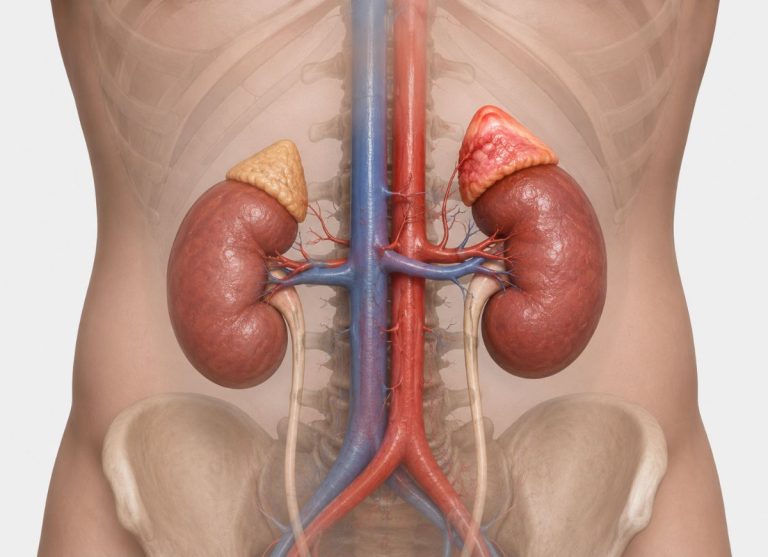
Chronic illness, including kidney failure and diabetes-related nerve damage, can send the nervous system into overdrive and worsen symptoms.
Medication Triggers
Several common medications can interfere with dopamine receptors and worsen symptoms:
- Antihistamines (like diphenhydramine) are among the most potent triggers, sometimes causing a rebound of symptoms even though they induce sleepiness
- Antidepressants, particularly SSRIs and SNRIs, can worsen the creeping sensation
- Anti-nausea medications that block dopamine can cause an immediate, severe flare-up
Lifestyle Triggers
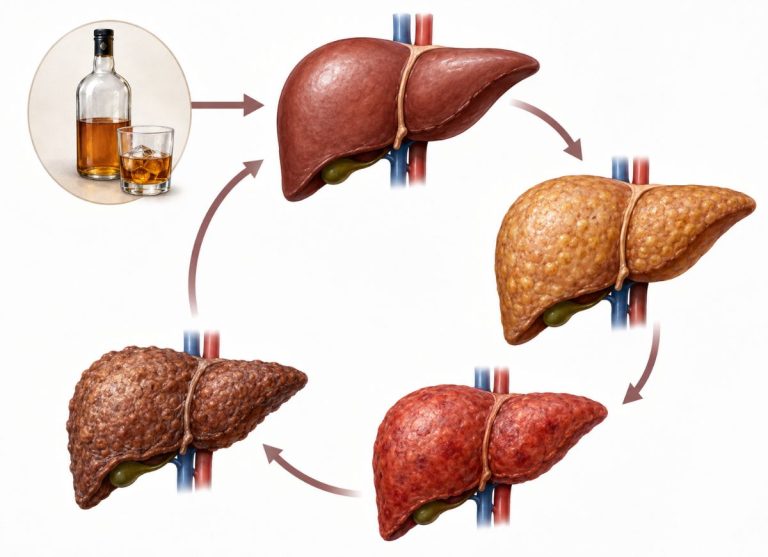
Everyday habits can also tip symptoms into a worse state. Caffeine and nicotine keep the nervous system in a heightened state, while alcohol, though initially sedating, often causes symptoms to rebound with more intensity as it wears off.
Augmentation vs. Natural Disease Progression
Telling these apart matters because treatment differs significantly. Natural progression is a slow, gradual increase in symptoms over years. Augmentation is a rapid, paradoxical reaction to dopaminergic medication.
Timing shift. In natural progression, symptoms remain a mainly nighttime issue. With augmentation, onset creeps earlier and earlier, someone who once felt symptoms at 10 PM might start noticing them at 4 PM or noon, often shortly after taking a dose or as the previous one wears off.
Spreading to new areas. Natural RLS tends to stay leg-centric for a long time. Augmentation often causes sensations to spread rapidly to the arms, trunk, or chest, suggesting a widespread neurological reaction rather than the slow, localized progression of the disease itself.
Response to dose increases. With natural progression, a higher dose typically provides sustained relief. With augmentation, a higher dose brings only brief relief before symptoms return more intensely, a strong signal that the medication itself has become the problem.
RLS vs. Periodic Limb Movement Disorder (PLMD)
These two conditions are often mentioned together but represent different neurological experiences. The key distinction is awareness: RLS is a sensory experience while awake, PLMD is a motor event during sleep.
RLS is a sensory disorder defined by a conscious, undeniable urge to move because of uncomfortable sensations. You’re aware of the feeling and make a conscious choice to kick, stretch, or walk for relief.
PLMD is a motor disorder involving involuntary, rhythmic jerking of the limbs, usually the toe, ankle, or knee, occurring in 20- to 40-second intervals during sleep. Most people with PLMD have no idea they’re doing it, learning only from a bed partner’s complaints or from unexplained daytime fatigue.
The two conditions frequently overlap: research shows over 80% of people with RLS also have PLMD, though the reverse isn’t true, many people have PLMD without ever experiencing RLS sensations. Diagnostically, RLS relies on a person’s description of their symptoms, while PLMD requires a sleep study (polysomnogram) to physically measure limb movements during sleep.
Risk Factors for Worsening RLS
Adults over 40 often report symptoms becoming more frequent, longer-lasting, or harder to ignore compared to earlier years, sometimes compounded by other age-related health conditions like circulation problems or nutrient deficiencies.
A family history of RLS may mean a higher likelihood of developing symptoms, sometimes at an earlier age, with family-linked cases tending to be more persistent over time.
Iron deficiency remains one of the most commonly linked factors, since even people without anemia may have low iron stores contributing to more intense or frequent symptoms.
Pregnant women, especially in the third trimester, may experience RLS for the first time or notice existing symptoms flare up, generally improving after childbirth.
People with chronic conditions like kidney disease, diabetes, or peripheral neuropathy face a higher risk, since these conditions can affect circulation, nerve function, or nutrient balance in ways that intensify symptoms.
Why Ferritin Testing Matters
Iron testing is a key part of assessing RLS severity, since iron powers dopamine production in the brain.
Ferritin matters more than serum iron. Serum iron only reflects what’s currently circulating and fluctuates with meals. Ferritin measures the body’s long-term iron reserves, a better indicator of whether the brain has enough iron to support dopamine production.
“Normal” isn’t always “RLS-normal.” A ferritin level of 20 ng/mL is often considered normal by standard lab ranges, but that level can be clinically insufficient for someone with RLS. Specialists often aim for a ferritin level of at least 75-100 ng/mL to meaningfully stabilize dopamine pathways and reduce symptoms.
Iron supplementation as treatment. For many people, correcting a genuine iron deficiency, often with an oral supplement paired with vitamin C for better absorption, can bring noticeable relief over a few weeks. In more severe cases, or when the gut doesn’t absorb iron well, an IV iron infusion may be recommended.
Managing Worsening Symptoms
Improve sleep habits. A consistent sleep and wake schedule, a calm bedtime environment, and less screen time before bed can help regulate the body’s internal clock and reduce flare-ups.
Limit caffeine and alcohol. Both can trigger or worsen symptoms, especially later in the day. Coffee, tea, soda, energy drinks, and chocolate are all worth watching, and while alcohol may feel relaxing initially, it often worsens symptoms as it wears off overnight.
Try gentle stretching before bed. Light movement, calf stretches, yoga, or a short evening walk, can help ease the urge to move. The goal is gentle movement, not intense exercise, which can sometimes worsen symptoms.
Use warm baths or leg massage. Heat can relax tense muscles and create a calming pre-bed routine; some people prefer cool compresses instead, depending on what feels better.
Check iron levels. Given how commonly low iron is linked to RLS, it’s worth discussing testing with a healthcare provider if symptoms are worsening. Avoid starting iron supplements without guidance, since too much iron can create its own health concerns.
Talk to a doctor if symptoms worsen. If RLS starts disrupting sleep regularly, spreading to new areas, or becoming harder to manage, a doctor can look for underlying triggers, whether nutrient deficiencies, medical conditions, or medication effects, contributing to the change.
Frequently Asked Questions
What causes RLS to get worse?
Low iron, poor sleep habits, stress, certain medications, or underlying medical conditions can all play a role. Some people notice flare-ups after caffeine or alcohol, while others experience worsening during pregnancy or illness. Medications for allergies, nausea, or depression can also contribute. Tracking patterns can help identify personal triggers.
Can RLS spread to other body parts?
Yes, in some people, worsening RLS can begin affecting areas beyond the legs, occasionally spreading to the arms or elsewhere, especially in more severe or long-standing cases. This kind of progression is worth discussing with a doctor if it happens.
When should I see a doctor?
If symptoms start interfering with sleep, daily functioning, mood, or quality of life, especially if they become more frequent, start earlier in the day, or stop improving with movement. A doctor can check for underlying causes like iron deficiency, kidney disease, nerve issues, or medication side effects.
Can lifestyle changes help?
For many people, yes. A regular sleep schedule, reduced caffeine or alcohol intake, staying active, and relaxation techniques can all support better symptom control. Leg stretches, warm baths, or gentle massage before bed can also help. Since triggers vary by person, finding what works may take some patience.
Is RLS dangerous?
RLS itself isn’t typically dangerous, but it can significantly affect quality of life when severe. Chronic sleep disruption can increase fatigue, mood changes, concentration problems, and daytime sleepiness over time, and worsening symptoms can sometimes point to an underlying health issue worth addressing. Persistent or worsening symptoms shouldn’t be ignored, particularly when sleep becomes consistently disrupted.
The Bottom Line
Living with Restless Legs Syndrome can be exhausting, especially once symptoms start interfering with sleep, concentration, or the ability to relax. While occasional discomfort may feel manageable, worsening symptoms, more frequent, starting earlier, or spreading beyond the legs, shouldn’t be ignored. The encouraging part is that worsening RLS doesn’t have to mean symptoms will keep getting worse without relief. Identifying triggers, improving sleep habits, addressing iron deficiency, or reviewing medications with a healthcare provider can often make a meaningful difference in restoring more comfortable nights and better overall well-being.