
7 Common Indigestion Symptoms That Signal an Upset Stomach
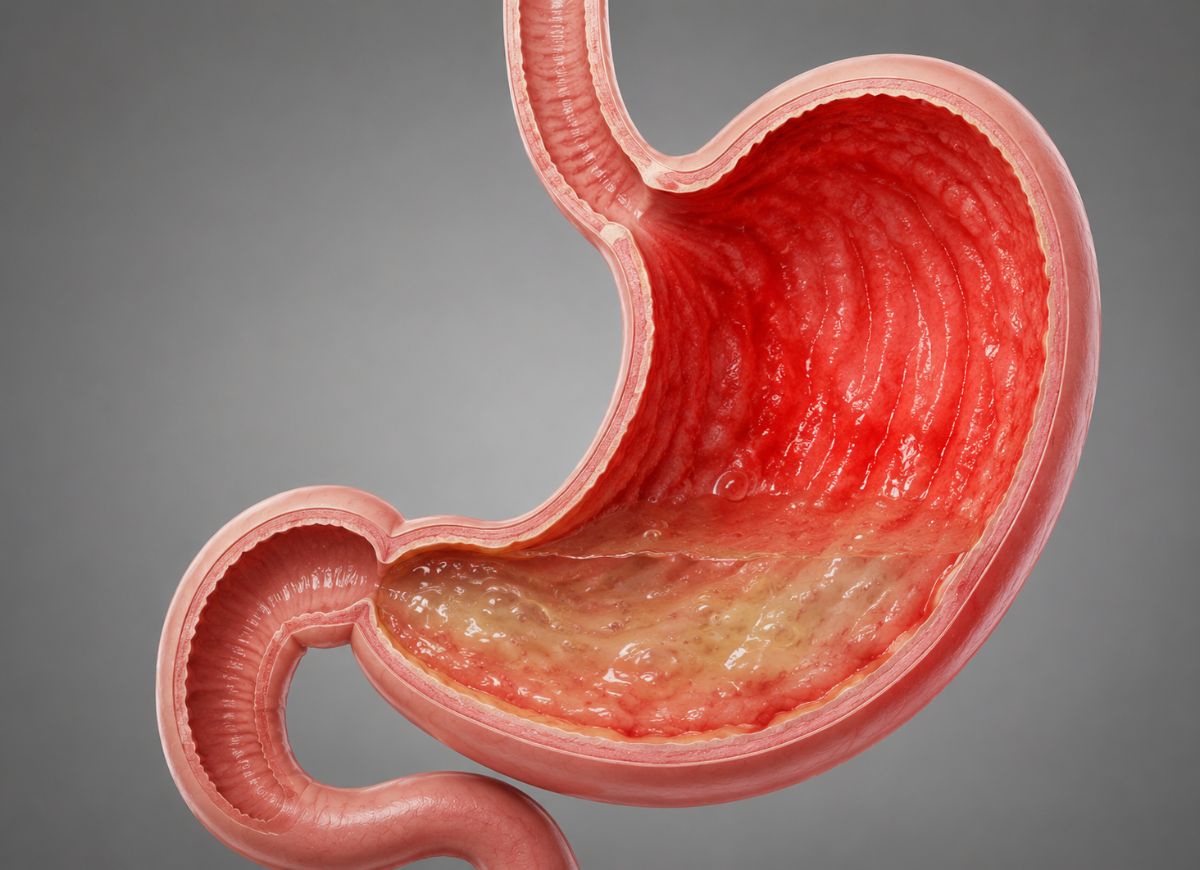
Indigestion can seem like a minor stomach problem until it suddenly interrupts a meal, a busy day, or a good night’s sleep. It may start with pressure in the upper abdomen, a burning sensation, frequent burping, bloating, nausea, or feeling full after eating only a small amount.
Indigestion, also known as dyspepsia, is not a single disease. Instead, it describes a group of digestive symptoms that commonly include upper abdominal discomfort, early fullness, bloating, nausea, and belching.
There are many possible reasons for indigestion. Eating too much or too quickly, certain foods, stress, medications, acid reflux, infections, ulcers, and functional digestive disorders can all play a role. Functional dyspepsia is especially common and can cause ongoing symptoms even when testing does not reveal an obvious structural problem.
Occasional indigestion is usually nothing to worry about. However, symptoms that keep returning, become severe, or occur alongside warning signs may need medical attention. Understanding the most common symptoms can help you recognize when your stomach is simply unsettled and when something more may be going on.
7 Key Signs of Indigestion?
Upper Abdominal Pain or Discomfort
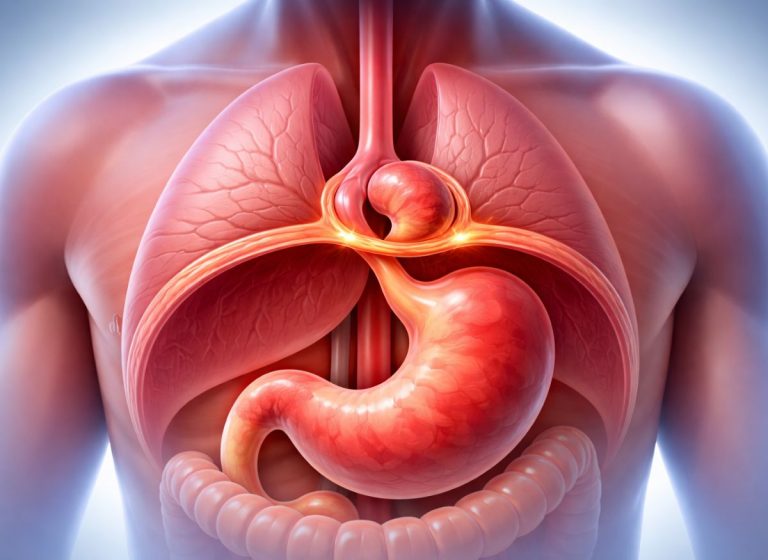
Upper abdominal discomfort is one of the most recognizable symptoms of indigestion. It usually occurs in the area between the lower breastbone and the belly button, often called the upper central or epigastric region.
The sensation can vary. Some people describe it as a dull ache or pressure, while others notice burning, soreness, or cramping. It may occur during or after eating and can sometimes come and go.
Several factors may contribute to this discomfort. Certain foods can irritate the digestive system, while medications such as nonsteroidal anti-inflammatory drugs (NSAIDs) can affect the stomach lining. Eating a very large meal may also stretch the stomach and make discomfort more noticeable.
In functional dyspepsia, abdominal pain can occur even when there is no obvious inflammation or structural abnormality. The nerves involved in digestion may simply be more sensitive, causing normal digestive activity to feel uncomfortable.
Bloating or a Feeling of Early Fullness
Bloating and early fullness are other common signs of indigestion. Bloating may feel like pressure, tightness, or swelling in the abdomen, sometimes accompanied by increased gas.
Early fullness, also called early satiety, occurs when you feel full sooner than expected while eating. You may be unable to finish a normal meal because your stomach already feels uncomfortably full.
Some people also experience post-meal fullness that continues for a long time after eating. These symptoms can occur when stomach emptying or digestive movement is disrupted.
Delayed stomach emptying, certain foods, overeating, and functional digestive disorders can all contribute to prolonged fullness and bloating. When food remains in the stomach longer than expected, the resulting pressure can make meals uncomfortable.
Heartburn
Heartburn and indigestion are related but are not exactly the same thing. Indigestion describes a broader group of upper digestive symptoms, while heartburn specifically refers to a burning sensation behind the breastbone.
Heartburn usually happens when stomach contents move backward into the esophagus. The lower esophageal sphincter, a ring of muscle between the stomach and esophagus, normally helps prevent this from happening.
When that muscle relaxes inappropriately or does not close properly, stomach acid can travel upward and irritate the esophagus. This can create the familiar burning sensation associated with acid reflux.
You can have indigestion without heartburn, and you can have frequent heartburn without experiencing all the other symptoms of indigestion. Frequent heartburn may be a sign of gastroesophageal reflux disease (GERD).
Excessive Belching and Gas
Burping is a normal way for the body to release swallowed air, but frequent belching can become noticeable when the stomach is upset.
Eating quickly, drinking through a straw, chewing gum, talking while eating, and consuming carbonated beverages can increase the amount of air swallowed. This may lead to more burping and abdominal pressure.
Gas can also build up farther down the digestive tract. Certain carbohydrates are broken down by bacteria in the large intestine, producing gases that can contribute to bloating and flatulence.
When indigestion is accompanied by frequent burping, bloating, or passing gas, it may reflect a combination of swallowed air, food-related gas, and changes in digestive movement.
Nausea and Vomiting
Nausea is another possible symptom of indigestion. It is the unpleasant sensation that makes you feel as though you might vomit.
Nausea can occur when the stomach is irritated, overly full, or emptying more slowly than usual. Overeating, certain foods, infections, medications, and stomach inflammation can all contribute to nausea.
Vomiting is less typical of simple indigestion. A single episode may occur when the stomach is significantly irritated, but repeated vomiting should not be assumed to be ordinary indigestion.
Persistent vomiting can lead to dehydration and may indicate another digestive problem that needs medical evaluation. Vomiting blood or material that resembles coffee grounds requires urgent medical attention.
Rumbling or Gurgling Stomach Noises
Rumbling, bubbling, and gurgling sounds are a normal part of digestion. These noises, sometimes called borborygmi, occur as muscles move food, liquid, and gas through the digestive tract.
You may notice these sounds when you are hungry, after eating, or when gas and fluid are moving through the intestines.
During indigestion, the noises may seem louder or more frequent. Changes in digestion, increased gas, or altered intestinal movement can make normal digestive sounds more noticeable.
Stomach noises alone are generally not a sign of illness. However, when they occur alongside significant pain, persistent bloating, diarrhea, vomiting, or other symptoms, they may be part of a broader digestive problem.
Diarrhea or Constipation
Indigestion mainly refers to symptoms in the upper digestive tract, but digestive problems can sometimes affect bowel movements as well.
Diarrhea may occur when an infection, food intolerance, stress, or another trigger causes food to move through the digestive system too quickly. When this happens, the colon has less time to absorb water, resulting in loose or watery stools.
Constipation can occur when digestive movement slows. Some people notice constipation alongside bloating and abdominal discomfort, particularly when their overall bowel habits have changed.
Because diarrhea and constipation have many possible causes, they should not automatically be blamed on indigestion. Persistent changes in bowel habits are worth discussing with a healthcare professional.
What Is Indigestion?
Indigestion, medically known as dyspepsia, is a collection of symptoms involving discomfort in the upper digestive tract. It is not a specific disease by itself.
Symptoms may include upper abdominal pain or burning, feeling full quickly, uncomfortable fullness after eating, bloating, nausea, and belching.
How to Define Indigestion Medically
From a medical perspective, dyspepsia describes a pattern of symptoms centered in the upper abdomen. Doctors may investigate several possible causes, including ulcers, gastritis, acid-related conditions, medication effects, infections, and other digestive disorders.
Sometimes testing does not reveal a structural problem that explains the symptoms. This is known as functional dyspepsia. Researchers believe that changes in stomach movement, increased sensitivity to normal digestive activity, and interactions between the digestive system and nervous system may contribute to it.
For a diagnosis of functional dyspepsia, symptoms generally persist or recur over time and may include uncomfortable fullness after meals, feeling full unusually quickly, or upper abdominal pain or burning. Doctors also need to consider and rule out other possible causes based on the person’s symptoms and medical history.
Is an Upset Stomach the Same as Indigestion?
In everyday conversation, people often use “upset stomach” and “indigestion” to describe similar experiences. Both may involve discomfort, bloating, nausea, burping, or an unpleasant feeling after eating.
However, “upset stomach” is a broader, informal term. It can describe many digestive problems, including infections that cause vomiting and diarrhea.
Indigestion specifically refers to a collection of upper digestive symptoms. A healthcare professional may ask detailed questions about the exact symptoms to determine what condition is most likely responsible.
What Are the Common Causes of an Upset Stomach?
Upset stomach and indigestion can have many causes. Common triggers include certain foods, eating habits, stress, medications, and underlying digestive conditions.
Foods and Eating Habits
Large, fatty, greasy, or fried meals can be difficult for some people to tolerate. High-fat foods may slow stomach emptying and contribute to fullness, bloating, or discomfort.
Spicy foods may also trigger symptoms in some individuals, particularly those who are sensitive to them or already experience reflux. Acidic foods and drinks can worsen symptoms for some people as well.
How you eat can matter just as much as what you eat. Eating very quickly, overeating, and swallowing large amounts of air can increase bloating and discomfort.
Carbonated drinks may increase burping and gas, while excessive caffeine or alcohol can trigger digestive symptoms in some people.
Keeping track of foods that repeatedly cause symptoms can help identify individual triggers.
Lifestyle Factors
Stress can have a noticeable effect on digestion because the brain and digestive system communicate closely with one another. During periods of stress, some people experience changes in stomach movement, increased sensitivity, nausea, or abdominal discomfort.
Smoking can also contribute to digestive problems and may worsen acid reflux by affecting the lower esophageal sphincter.
Poor sleep and ongoing fatigue may make digestive symptoms harder to manage as well.
Certain medications are another common cause of stomach upset. NSAIDs such as ibuprofen, naproxen, and aspirin can irritate the stomach lining and, particularly with regular use, increase the risk of ulcers or bleeding. Some antibiotics and iron supplements can also cause nausea, bloating, or other digestive side effects.
When to Seek Medical Help?
Occasional indigestion is common, but certain symptoms should not be ignored. They may point to a condition that needs prompt medical evaluation.
Unexplained weight loss is one warning sign, particularly when it occurs alongside ongoing digestive symptoms. Difficulty swallowing or a feeling that food is getting stuck in the throat or chest also deserves medical attention.
Repeated vomiting should be evaluated, especially when it is persistent or prevents you from keeping fluids down. Vomiting blood or material that looks like coffee grounds may indicate bleeding in the upper digestive tract and requires urgent care.
Black, tar-like stools or visible blood in the stool can also indicate gastrointestinal bleeding and should be assessed promptly.
Other warning signs include severe or worsening abdominal pain, yellowing of the skin or eyes, persistent weakness, unexplained anemia, or a noticeable abdominal lump.
Chest pain should never automatically be assumed to be indigestion. If chest discomfort occurs with shortness of breath, sweating, dizziness, or pain spreading to the arm, jaw, neck, or back, seek emergency medical care.
The Differences Between Indigestion and GERD or Gastritis
Indigestion, GERD, and gastritis can cause overlapping symptoms, but they describe different problems.
Indigestion, or dyspepsia, refers to a collection of symptoms such as upper abdominal discomfort, early fullness, bloating, nausea, and belching. It may occur because of diet, stress, medications, functional digestive problems, or another underlying condition.
GERD, or gastroesophageal reflux disease, occurs when stomach contents repeatedly flow back into the esophagus. Frequent heartburn and acid regurgitation are common symptoms. Some people may also experience chest discomfort, a sour taste, cough, or throat irritation.
Gastritis involves inflammation or irritation of the stomach lining. It can be caused by factors such as Helicobacter pylori infection, regular use of certain NSAIDs, alcohol, or other forms of stomach irritation.
Treatment depends on the cause. Mild indigestion may improve with dietary and lifestyle changes or short-term over-the-counter treatments. GERD may require lifestyle changes and acid-reducing medication. Gastritis treatment focuses on addressing the underlying cause, such as treating H. pylori infection or reducing exposure to stomach-irritating medications when medically appropriate.
Effective At-Home Remedies for Indigestion
Mild indigestion often improves with simple changes that reduce pressure on the digestive system.
Drinking small amounts of water may help some people feel more comfortable. Ginger may also help with certain types of nausea and digestive discomfort. Herbal teas such as ginger or chamomile may feel soothing for some people, although individual responses vary.
Avoid lying flat immediately after eating. Staying upright for two to three hours after a meal can be especially helpful when symptoms include heartburn or acid reflux.
A gentle walk after eating may also help some people feel less full and bloated.
Over-the-counter medications can provide relief depending on the symptoms. Antacids can neutralize existing stomach acid and may work quickly for occasional heartburn. H2 blockers such as famotidine reduce acid production and generally last longer than simple antacids. Proton pump inhibitors, including omeprazole, reduce acid production more strongly and are generally intended for specific situations rather than occasional, unexplained stomach discomfort.
Always follow the directions on the medication label and speak with a healthcare professional or pharmacist if you are unsure which product is appropriate.
How to Prevent Indigestion
Preventing indigestion often starts with identifying your personal triggers and making small changes to eating habits.
Eating smaller meals may be easier to tolerate than very large meals. Eating slowly and chewing food thoroughly can also reduce the amount of air swallowed and prevent overeating.
Pay attention to foods that repeatedly trigger symptoms. Common triggers include fatty foods, spicy meals, acidic foods, carbonated drinks, caffeine, and alcohol, but the exact triggers vary from person to person.
Stress management can also make a difference. Relaxation techniques, regular physical activity, breathing exercises, and adequate sleep may help reduce digestive symptoms for some people.
Maintaining a healthy weight can reduce pressure on the abdomen and may help people who experience reflux. Avoiding tight clothing around the waist may also reduce discomfort.
If smoking contributes to your symptoms, quitting can benefit both digestive and overall health.
Rather than assuming every digestive problem has the same cause, keep track of when symptoms occur, what you ate, your meal size, stress levels, medications, and whether you were lying down afterward. These patterns can make personal triggers easier to identify.
Chronic Indigestion Diagnosis
When indigestion becomes persistent, keeps returning, or occurs alongside warning signs, a healthcare professional may investigate the underlying cause.
The evaluation usually begins with questions about your symptoms, medical history, medications, eating habits, and any factors that seem to trigger the discomfort. A physical examination may also be performed.
Depending on the situation, blood tests may be used to check for anemia or other abnormalities. Testing for Helicobacter pylori may also be recommended because this infection can contribute to gastritis and peptic ulcers.
H. pylori can be evaluated with tests such as a urea breath test or stool antigen test. The most appropriate test depends on the individual’s symptoms and circumstances.
An upper endoscopy may be recommended when symptoms are persistent, severe, or accompanied by certain warning signs. During this procedure, a thin flexible camera is used to examine the esophagus, stomach, and upper part of the small intestine. A small tissue sample may be taken if needed.
Imaging tests may sometimes be used when another condition is suspected. For example, an abdominal ultrasound can help evaluate the gallbladder and other abdominal organs.
If delayed stomach emptying is suspected, a gastric emptying study may be used to measure how quickly food moves out of the stomach.
FAQs
1. Does drinking water help indigestion?
Drinking small amounts of water may help some people with mild indigestion, particularly when dehydration or a heavy meal contributes to the discomfort.
However, drinking a large amount at once may increase the feeling of fullness or bloating. Small sips are generally more comfortable.
Water may ease some symptoms, but persistent indigestion requires attention to the underlying cause rather than relying on fluids alone.
2. What foods trigger indigestion?
Common triggers can include fatty or fried foods, spicy meals, acidic foods, chocolate, caffeine, carbonated beverages, and alcohol.
Large meals can also cause problems because they put more pressure on the stomach. Individual triggers vary, so keeping a food and symptom diary can help identify patterns.
3. How long will indigestion last?
Mild indigestion may improve within a few hours, particularly when it follows overeating or a heavy meal.
If symptoms continue for several days, occur frequently, interfere with sleep, or keep returning, it is worth speaking with a healthcare professional. Persistent symptoms may have an underlying cause that needs treatment.
4. Is it better to lay down with indigestion?
Lying down immediately after eating can make indigestion and acid reflux worse. Staying upright allows gravity to help keep stomach contents from moving upward.
A gentle walk or sitting upright may be more comfortable. If you need to rest, keeping your upper body elevated may help, particularly when heartburn is involved.
5. What aggravates indigestion?
Large meals, greasy foods, spicy foods, alcohol, caffeine, carbonated drinks, smoking, stress, and eating too quickly can aggravate indigestion.
Lying down soon after eating may also worsen symptoms. Certain medications, including some NSAIDs, antibiotics, and iron supplements, can cause or increase stomach discomfort.
6. How do you know if indigestion is serious?
Indigestion deserves prompt medical attention when it is severe, persistent, or accompanied by warning signs.
These include unexplained weight loss, difficulty swallowing, repeated vomiting, vomiting blood, black stools, severe abdominal pain, or jaundice.
Chest discomfort should also be taken seriously. If what feels like indigestion occurs with shortness of breath, sweating, dizziness, or pain spreading to the arm, jaw, neck, or back, seek emergency medical care.
7. Why won’t indigestion go away?
Persistent indigestion may continue when the original trigger has not been addressed. Large meals, certain foods, stress, alcohol, smoking, and some medications can all contribute.
Recurring symptoms can also be associated with GERD, gastritis, ulcers, H. pylori infection, food intolerance, gallbladder problems, or functional dyspepsia.
If indigestion keeps returning despite lifestyle changes, a healthcare professional can help determine whether further testing is needed.
Conclusion
Indigestion can turn an ordinary meal into an uncomfortable experience. Symptoms such as upper abdominal discomfort, bloating, early fullness, heartburn, nausea, burping, and changes in bowel habits can all occur when the digestive system is unsettled.
For many people, occasional indigestion is connected to eating habits, certain foods, stress, medications, or lying down too soon after eating. Simple lifestyle changes may be enough to reduce these episodes.
However, symptoms that persist, become severe, repeatedly interrupt sleep or meals, or appear alongside warning signs should not be ignored. Paying attention to your symptoms and recognizing patterns can help you understand what may be triggering the discomfort.
When indigestion does not improve or seems unusual, medical evaluation can help identify the cause and determine the appropriate treatment.