
12 Symptoms of Dengue and Urgent Warning Signs to Watch For
Dengue fever is one of the most common mosquito-borne diseases in the world, with millions of cases reported every year.
The World Health Organization (WHO) estimates about 390 million dengue infections a year, and around 96 million of them cause clinical symptoms. These numbers show why it’s important to understand the disease, its symptoms, and the warning signs that need immediate attention.
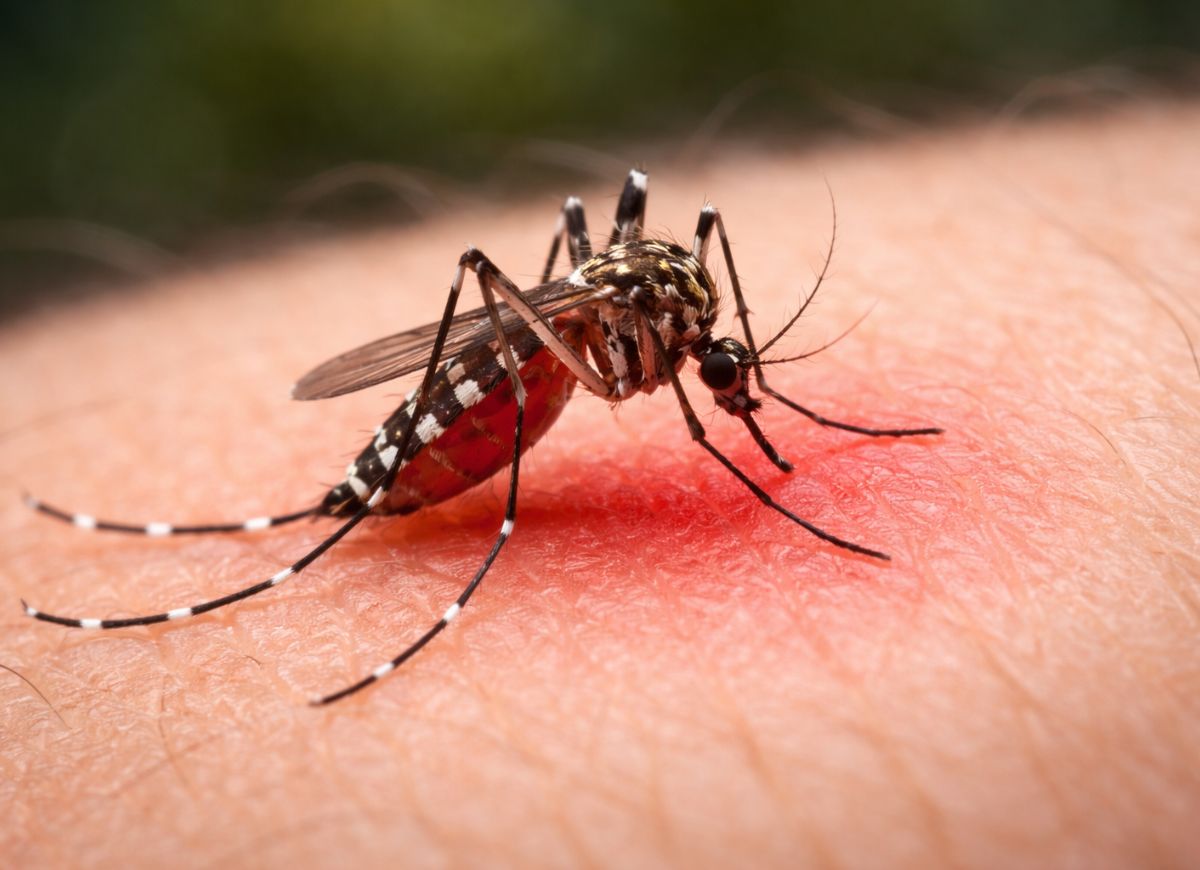
Dengue is not just a passing fever. In severe cases it can cause life-threatening complications such as dengue hemorrhagic fever and dengue shock syndrome. The virus spreads through the bite of an infected Aedes mosquito, which thrives in urban areas, so cities are often hotspots for outbreaks.
Early dengue can look like ordinary flu, but it can get worse quickly. High fever, severe headache, pain behind the eyes, and joint pain are often the first signs. The more alarming symptoms that can follow, such as bleeding, a sudden drop in blood pressure, and organ damage, must not be ignored. These are warning signs of severe dengue and need immediate medical attention.
Untreated severe dengue can be fatal, so early detection and treatment are essential. There is no specific antiviral drug for dengue, but supportive care and close monitoring can greatly improve outcomes.
See a doctor as soon as possible if you or a loved one has any of these symptoms. The faster you get care, the better the chance of a full recovery.
This article looks at the 12 key symptoms and warning signs of dengue so you can recognize them early and get the right care. Stay informed and stay safe.
What is Dengue Fever and How is it Transmitted?
Dengue fever is a viral infection passed to humans by the bite of an infected Aedes mosquito, mainly Aedes aegypti. It is caused by any one of four related but distinct virus serotypes (DENV-1, DENV-2, DENV-3, and DENV-4).
The cycle works like this:
- A female Aedes mosquito bites a person who already has dengue and takes in the virus with their blood.
- Inside the mosquito’s midgut, the virus multiplies over an incubation period of about 8 to 12 days.
- Once the virus reaches the mosquito’s salivary glands, the mosquito stays infectious for the rest of its life.
- When it bites a healthy person, it injects the virus into their bloodstream and a new infection begins.
Dengue cannot spread directly from person to person. The mosquito is a necessary go-between. This human-mosquito-human cycle is why outbreaks are common in tropical and subtropical regions where Aedes mosquitoes thrive, especially in urban and semi-urban areas.
Three Phases of a Dengue Infection
Dengue usually moves through three phases: the febrile phase, the critical phase, and the recovery phase. Each has its own features and possible complications, and knowing them is key to managing the illness well.
Febrile phase. This is the first stage and lasts 2 to 7 days. A high fever starts suddenly and can reach 40°C (104°F). The virus is circulating actively in the blood (viremia).
Patients typically have the classic symptoms: severe headache, pain behind the eyes (retro-orbital pain), strong muscle and joint pain (myalgia and arthralgia), nausea, vomiting, and a skin rash. Uncomfortable as it is, most patients go from this phase straight to recovery without serious complications.
Critical phase. This is the most dangerous phase and the point where dengue may become severe. It usually starts as the fever falls (defervescence), around day 3 to day 7 of the illness.
Its hallmark is increased capillary permeability, which lets plasma leak out of the blood vessels into surrounding tissue. Fluid can collect in the chest (pleural effusion) and abdomen (ascites).
Losing this much plasma can cause a drop in blood pressure, circulatory collapse, and shock (dengue shock syndrome). Warning signs such as severe abdominal pain, persistent vomiting, and bleeding appear during this period, which lasts about 24 to 48 hours. Close monitoring of vital signs and platelet counts is essential.
Recovery phase. After the critical phase, the leaked plasma is slowly reabsorbed into the bloodstream over the next 48 to 72 hours. The patient feels better, appetite returns, and vital signs settle.
A second rash may appear, often described as “isles of white in a sea of red.” This phase has risks too, such as fluid overload if too much intravenous fluid was given during the critical phase. Platelet counts start to rise, and the white blood cell count returns to normal.
How Long Does A Typical Dengue Infection Last?
From the mosquito bite to full recovery, dengue usually takes about two to three weeks. The symptomatic illness itself generally lasts one to two weeks. The timeline breaks down like this:
- Incubation period (4 to 10 days, average 5 to 7). After an infected mosquito bites you, the virus multiplies in your body but you don’t feel sick yet.
- Febrile phase (2 to 7 days). High fever and classic dengue symptoms begin. This is when most people realize they’re ill and seek medical advice.
- Critical phase (24 to 48 hours). As the fever breaks, around day 3 to day 7, some patients enter this short but dangerous period. Severe complications can develop in this narrow window, so careful monitoring is needed.
- Recovery phase (several days to a week). Patients who skip the critical phase move straight from the febrile phase to recovery. For others, recovery follows the critical phase. Strength and appetite gradually return.
Full recovery, with normal energy levels, can take another week or two. Deep fatigue can linger even after the main symptoms are gone.
12 Common Symptoms of Dengue Fever
High Fever
Dengue fever starts suddenly and can be very high, often 40 to 41°C (104 to 105.8°F). It may follow a biphasic or “saddleback” pattern.
That means a high fever for 2 to 4 days, then a brief drop to normal for about 24 hours, then a return of fever for another 1 to 2 days before it ends completely. This pattern is a strong clue for dengue, but it doesn’t occur in every case.
Severe Headache
The dengue headache is often intense, debilitating, and felt in the forehead. A key feature is retro-orbital pain, a deep, aching pain behind the eyes.
Moving the eyes often makes it worse. The headache is a major source of misery for patients and is often one of the most memorable parts of the illness.
Skin Rash
The dengue rash can come in two waves. An early, short-lived rash may appear in the first 1 to 2 days as flushing of the face and skin. The more classic rash, maculopapular or morbilliform, usually appears around day 3 to day 6, often with the second fever spike.
It looks like flat red patches (macules) with small bumps (papules). It may spread from the torso to the limbs, face, and neck, and sometimes spares the palms and soles. As it heals, it can leave a pattern of “isles of white in a sea of red,” a sign that you are recovering.
Severe Joint and Muscle Pain (Arthralgia and Myalgia)
This is one of dengue’s most defining symptoms and gives it the nickname “breakbone fever.” Patients feel excruciating pain in the joints (especially the knees and shoulders) and muscles (especially the lower back and limbs). Moving becomes difficult and painful.
Nausea
Many patients have persistent nausea. It reduces how much they eat and drink and can lead to dehydration if not managed.
Vomiting
Vomiting is common along with nausea during the febrile phase. A few episodes can be part of classic dengue. But persistent or frequent vomiting (more than three times in 24 hours) is a critical warning sign of severe dengue.
Fatigue and Weakness
Deep fatigue and a general feeling of being unwell are hallmarks of dengue. The weakness can be so severe that it lasts for weeks after other symptoms have gone, making it hard to return to daily activities.
Mild Bleeding (Minor Hemorrhagic Manifestations)
Classic dengue can cause minor bleeding because platelet counts drop (thrombocytopenia). It usually shows up as petechiae (small red or purple spots on the skin), easy bruising, nosebleeds (epistaxis), or bleeding gums. This is different from the severe bleeding of dengue hemorrhagic fever.
Swollen Glands (Lymphadenopathy)
Lymph nodes, especially in the neck and groin, can swell as the immune system fights the virus.
Loss of Appetite (Anorexia)
Most patients lose their appetite significantly. Together with nausea and vomiting, this makes it hard to keep up nutrition and hydration.
Metallic Taste in the Mouth (Dysgeusia)
Some people notice a change in taste, often described as metallic or bitter. This can reduce appetite even more.
Pain Behind the Eyes (Retro-orbital Pain)
It is often grouped with the headache, but this is a separate and very characteristic symptom. The pain is a deep ache directly behind the eyeballs and usually gets worse when you move your eyes.
Symptoms of Dengue In Children or Pregnant Women
Dengue can be more severe and complicated in certain groups, especially young children and pregnant women, who are considered high-risk.
Anyone can develop severe dengue, but these groups are more vulnerable because of physical factors that can make the disease progress faster. Their symptoms may also look atypical, which can delay diagnosis and the start of supportive care.
For this reason, healthcare providers need to stay alert and watch these patients closely for signs of worsening. Early action is vital to prevent life-threatening complications.
Young children. Infants and young children may not show the classic adult symptoms. They may have vague fever-related signs such as irritability, sluggishness, and poor feeding, which are easily mistaken for other common childhood illnesses.
Because of their smaller body size and blood volume, they are more affected by plasma leakage and can slip into shock (dengue shock syndrome) faster. Their developing immune systems may also react differently to the virus, raising the risk of severe outcomes.
Pregnant women. Pregnancy brings major body changes, including higher blood volume, weaker immunity, and altered heart and circulation function. All of these can complicate dengue. Pregnant women face a higher risk of severe problems such as thrombocytopenia, hemorrhage, and organ failure.
Dengue in pregnancy also puts the baby at risk. The virus can pass from mother to baby (vertical transmission), which may lead to premature birth, low birth weight, and fetal distress. Managing fluids is especially tricky in pregnancy because of the risk of fluid overload, which can cause pulmonary edema.
Critical Warning Signs of Severe Dengue
Symptoms Indicating a Progression to Dengue Hemorrhagic Fever or Shock Syndrome
The signs that dengue is moving toward dengue hemorrhagic fever (DHF) or dengue shock syndrome (DSS) are severe abdominal pain, persistent vomiting, significant bleeding, extreme tiredness or restlessness, cold and clammy skin, and difficulty breathing.
The WHO defines these as warning signs. They typically appear as the fever is breaking and mark the start of the critical phase, when plasma leakage occurs. Here is what each one means:
- Severe abdominal pain or tenderness. This is often a sharp, intense pain. It can come from fluid collecting in the abdomen (ascites) or a swollen liver (hepatomegaly), both caused by plasma leakage. The abdomen may be tender to the touch.
- Persistent vomiting. Some vomiting is normal in classic dengue. Vomiting at least three times in 24 hours, or four times in an hour, is a major red flag. It stops you from staying hydrated by mouth and worsens fluid loss, speeding the slide toward shock.
- Significant bleeding. A severe nosebleed that is hard to stop, or steady oozing from the gums, points to a dangerously low platelet count and impaired clotting. Blood in vomit (which can look like coffee grounds) or black, tarry stools are signs of internal gastrointestinal bleeding and a severe hemorrhagic complication.
- Sudden change in mental state. Extreme fatigue and sluggishness, or the opposite, restlessness and irritability, can mean the brain isn’t getting enough oxygen because of poor circulation and impending shock. Watch for this especially in children.
- Cold, pale, clammy skin. As the circulatory system starts to fail, blood is redirected away from the limbs to protect vital organs. The skin, especially on the hands and feet, turns cold, pale, and clammy.
- Shortness of breath or rapid breathing. Fluid collecting around the lungs (pleural effusion) limits how far the lungs can expand. This is a direct result of severe plasma leakage and a sign of coming respiratory distress.
Go to The Hospital If You Experience These Warning Signs
Go to the hospital immediately if you or someone you’re caring for has any of these warning signs of severe dengue. They are not part of normal recovery. They are clear signs that the illness is heading toward a life-threatening stage.
The urgency comes from what’s happening inside the body: plasma leakage. In the critical phase, the walls of the small blood vessels (capillaries) become leaky, and the liquid part of the blood (plasma) escapes into body cavities such as the abdomen and chest.
This causes a dangerous drop in blood volume, thickening of the blood (hemoconcentration), and a rapid fall in blood pressure. If it isn’t corrected quickly with carefully managed intravenous (IV) fluids in a hospital, circulation can collapse and lead to dengue shock syndrome (DSS).
Shock means vital organs like the brain, heart, and kidneys don’t get enough blood, which can cause organ damage and even failure. Managing this takes precise fluid balance, blood pressure support, and possibly blood transfusions if bleeding is severe. That care cannot be given at home.
Even a delay of a few hours in getting to hospital can sharply raise the risk of death. Treat any warning sign as a medical emergency that needs urgent evaluation and hospital admission.
Dengue Diagnosis
Doctors confirm dengue mainly with laboratory blood tests, because its symptoms overlap with other fevers. Which test they use depends on how long you’ve had symptoms.
Early phase (first seven days). The most reliable test is the NS1 antigen test. It detects the dengue virus’s Non-Structural Protein 1 (NS1), which is released into the blood in the early viremic stage. A positive result gives an early, definite confirmation.
A Polymerase Chain Reaction (PCR) test can also detect the virus’s genetic material (RNA) directly and is highly specific in the first few days of illness.
After the first week. The body starts making antibodies against the virus, so testing shifts to serology, which measures those antibodies:
- IgM antibody test. IgM antibodies appear around 4 to 5 days after the fever starts and can stay detectable for several months. A positive result points to a recent or current infection.
- IgG antibody test. IgG antibodies appear later and can last for life. A sharp rise in IgG, especially compared with an earlier sample, can indicate a secondary (repeat) dengue infection, which carries a higher risk of severe disease.
Doctors also use a Complete Blood Count (CBC) to watch for warning signs. These include thrombocytopenia (a big drop in platelets) and hemoconcentration (a rise in hematocrit), which signal plasma leakage and possible severe dengue.
The Difference Between the Symptoms of Dengue, Chikungunya, and Zika
Telling dengue, chikungunya, and Zika apart from symptoms alone is hard. All three are mosquito-borne viral illnesses with overlapping features. Still, there are key differences that can guide a doctor’s first suspicion before lab confirmation.
All three can cause fever, rash, and body aches, but how intense and prominent each symptom is differs a lot.
The distinction matters. Supportive care is similar, but the long-term complications and specific risks differ, such as the severe joint pain of chikungunya or the birth defects linked to Zika. Each needs a different medical and public health response.
Dengue. Often called “breakbone fever,” dengue is marked by an abrupt high fever with severe, incapacitating pain. Key features include intense headache (especially pain behind the eyes), severe muscle pain (myalgia), and bone pain. A characteristic rash often appears after the fever fades.
The most critical difference is that dengue can progress to severe disease, with plasma leakage, bleeding (such as nosebleeds or bleeding gums), and organ impairment.
Chikungunya. Its defining symptom is excruciating, often debilitating joint pain (arthralgia), usually worse than in dengue. It commonly affects several smaller joints such as the hands, wrists, and ankles, and it can become chronic, lasting months or even years. Fever and rash are present, but the joint pain is the most prominent feature.
Zika. Zika is generally the mildest of the three, and many infections cause no symptoms. When symptoms do occur, they are usually mild: a low-grade fever, a widespread maculopapular rash, and joint pain.
Its most distinctive sign is non-purulent conjunctivitis (red eyes). The main global health concern with Zika is its link to severe birth defects, especially microcephaly, in babies born to mothers infected during pregnancy.
How to Prevent Dengue Effectively
The most effective way to prevent dengue is a broad approach called integrated vector management, which targets the Aedes mosquito that spreads the virus.
In many regions there is no widely available vaccine for the general population, so controlling mosquitoes and preventing bites are the cornerstones of public health efforts. This takes community action, household diligence, and personal protection working together to break the transmission cycle.
The core idea is to disrupt the mosquito’s life cycle, which depends on standing water for breeding, and to put a barrier between infected mosquitoes and people.
Remove standing water. This is the primary method. Aedes mosquitoes lay eggs in stagnant water, so regularly empty, clean, or cover containers such as flower pots, buckets, discarded tires, pet water dishes, and clogged rain gutters. For larger water storage containers, use tight-fitting lids or treat the water with approved larvicides.
Avoid mosquito bites. Mosquitoes bite most at dawn and dusk. Use insect repellent with an effective active ingredient like DEET, picaridin, or oil of lemon eucalyptus on exposed skin. Long sleeves, long pants, socks, and shoes add a physical barrier.
Keep mosquitoes out of your home. Install or repair window and door screens, use air conditioning when possible, and sleep under mosquito nets. This matters most for infants, the elderly, and people already sick with dengue (so they aren’t bitten and don’t pass the virus to other mosquitoes).
Community fogging. Fogging may be used during outbreaks, but it only kills adult mosquitoes temporarily and is not a long-term solution.
FAQs
1. Can dengue be treated at home?
Dengue is not usually treated at home, but you can take some steps to manage mild symptoms. These include taking over-the-counter pain relievers like acetaminophen for fever, drinking oral rehydration solutions or water, and resting.
If symptoms get worse or you notice warning signs of severe dengue, such as bleeding, severe abdominal pain, or a sudden drop in blood pressure, get medical attention immediately. You may need to be admitted to hospital for close monitoring and treatment.
2. How do I know if I am getting dengue?
Dengue starts with flu-like symptoms 4 to 10 days after an infected mosquito bites you. Early signs include high fever, severe headache, pain behind the eyes, muscle and joint pain, nausea, vomiting, and a rash.
The rash may appear a few days after the fever and can develop into petechiae, small red or purple spots on the skin. If you suspect dengue, see a doctor as soon as possible for a proper diagnosis and treatment plan.
3. What countries have dengue fever?
Dengue is widespread in tropical and subtropical regions. It is common in Southeast Asia, the Pacific Islands, Latin America, the Caribbean, and parts of Africa. Countries such as Thailand, Indonesia, India, the Philippines, Brazil, and Mexico report the most cases.
Crowded urban areas with poor sanitation are especially prone to outbreaks. In recent years dengue has also spread to areas once considered low risk, including parts of southern Europe, the United States, and even the Middle East.
4. How common is dengue fever for tourists?
Dengue is a real risk for tourists visiting places where it is endemic. The World Health Organization reports that travelers to tropical and subtropical countries can catch dengue, especially if they stay in urban or rural areas with many mosquitoes.
Tourists are often at higher risk because they don’t know the local environment and may not take proper precautions. Travelers should use insect repellent, wear long sleeves, and avoid outdoor activity at dawn and dusk, when mosquitoes are most active.
5. Where are the worst places for dengue fever?
The highest-risk areas include countries in Southeast Asia, Latin America, and parts of the Caribbean. Some of the worst-hit are Indonesia, the Philippines, Thailand, India, Brazil, and Mexico. Large outbreaks are common there because conditions favor mosquito breeding: dense urban populations, poor sanitation, and frequent rain.
Areas like the southern United States, parts of Africa, and some Mediterranean countries are also seeing more dengue cases because of climate change and urbanization.
6. What’s worse, chikungunya or dengue?
Both are mosquito-borne viral infections, but they differ in symptoms and potential severity. Chikungunya causes severe joint pain and swelling that can last weeks or months, but it usually doesn’t lead to fatal complications.
Dengue can be much more dangerous, especially in severe forms like dengue hemorrhagic fever or dengue shock syndrome. These can cause bleeding, organ failure, and a sudden drop in blood pressure, all of which can be life-threatening without prompt treatment.
Chikungunya can cause debilitating pain, but dengue is considered more serious because of its potential for severe complications.
7. Which month is dengue season?
It depends on the region. In tropical climates such as Southeast Asia and parts of Latin America, dengue season usually peaks during and after the rainy season, when mosquitoes breed in standing water. This is often June to October, but it varies by location.
In tropical regions with rain throughout the year, dengue can be a year-round concern. In parts of the United States such as Florida and Texas, the risk goes up in summer, when temperatures and rainfall are higher.
8. Which organ is damaged by dengue?
Dengue can affect several organs, but the liver is the one most commonly affected. Severe dengue (dengue hemorrhagic fever or dengue shock syndrome) can damage the liver, causing raised liver enzymes and, in extreme cases, liver failure.
The heart, kidneys, and lungs can also be affected, particularly in severe cases. Bleeding can affect blood vessels and may lead to shock and organ failure. Prompt treatment and supportive care are critical to prevent organ damage and improve outcomes.
9. Can you feel symptoms of dengue after 3 days?
Yes. Dengue symptoms typically appear 4 to 10 days after a bite from an infected mosquito, but sometimes they start within 3 days. The fever, dengue’s hallmark, lasts 2 to 7 days and may vary in intensity.
Other symptoms, such as rash, muscle and joint pain, and fatigue, can continue for several days after the fever starts to fade. In severe cases, symptoms last longer and lead to complications. If you still feel unwell after the fever ends, see a doctor, as further complications may develop.
10. How many days should I rest for dengue?
Rest is crucial for recovery, especially during the fever phase and early stages. Most people need to rest for 5 to 7 days, and acute symptoms usually improve after that. Full recovery can take a few more weeks, because fatigue and weakness can linger after the fever is gone.
Stay hydrated, avoid physical exertion, and follow your healthcare provider’s instructions. Pushing yourself too hard can prolong recovery or even trigger complications in severe cases.
11. How can I speed up dengue recovery?
The most important thing is staying well hydrated. Dehydration is a common complication of dengue because of fever, vomiting, and sweating.
Oral rehydration solutions (ORS) or electrolyte-rich fluids are ideal. Acetaminophen for fever and pain, as advised by a doctor, can also help you feel more comfortable.
Avoid nonsteroidal anti-inflammatory drugs (NSAIDs) like ibuprofen or aspirin, since they can increase the risk of bleeding. Rest is essential. There is no specific antiviral treatment for dengue, but early intervention and supportive care can speed up recovery.
Conclusion
Dengue fever is a serious disease that needs prompt attention and care. Early detection and knowing the warning signs of severe dengue can make all the difference in preventing complications and recovering well.
There is no specific treatment for dengue, so rest, hydration, and professional medical care are extremely important.
Stay informed and take preventive steps, such as avoiding mosquito bites and keeping your surroundings clean, to lower your risk. Stay safe, and remember that timely medical care is the best way to protect your health.