
Common Earache Care Ways & Home Information
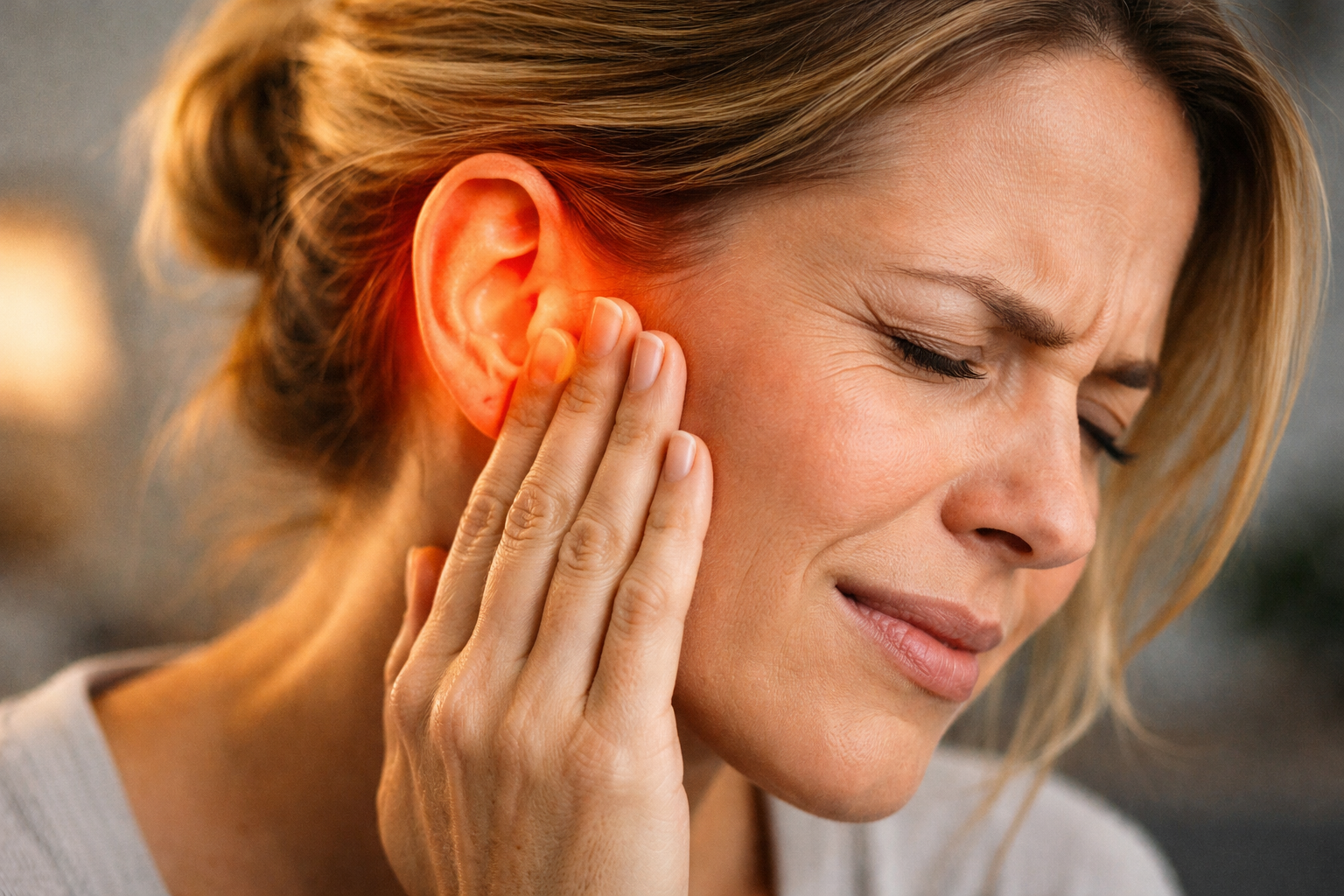
Have you ever felt that sharp, throbbing pain in your ear that seems to appear out of nowhere and takes over your entire focus?
Earaches can be genuinely miserable, and whether they’re caused by an infection, sinus congestion, or a change in pressure, the pain can make it hard to think about anything else. But before reaching for an over-the-counter painkiller or heading straight to the doctor, there are several simple, effective home remedies worth trying first.
Earaches aren’t just a childhood problem, they affect adults too. In fact, an estimated 10 million people in the U.S. visit their doctor each year because of ear-related pain. While many earaches respond well to medical treatment, plenty of cases can also be managed at home with natural approaches that ease discomfort without needing a prescription.
From the warmth of a simple compress to the soothing effects of certain oils, there are many home remedies that can offer relief fairly quickly.
Some methods target the inflammation and pressure causing the pain, while others focus on keeping the ear dry and comfortable, especially when the discomfort stems from fluid buildup or infection. Best of all, many of these remedies are inexpensive and easy to put together with things you likely already have at home.
In this article, we’re sharing 15 simple, effective home remedies for earache relief that you can try the next time that familiar ache shows up. These remedies offer a safe, natural alternative to standard medication and can often bring the comfort you need to get through the pain.
15 Effective Home Remedies for a Painful Earache
Warm Compress
Applying gentle heat to the outer ear increases blood flow to the area. This improved circulation helps speed up the body’s natural healing process and can help unclog the Eustachian tube by thinning mucus, relieving pressure. The warmth also has a direct soothing effect, easing tense muscles around the jaw and neck that might be contributing to the pain.
To make a warm compress, soak a clean washcloth in warm (not hot) water, wring out the excess, and place it over the affected ear for 10 to 15 minutes.
You can also use a heating pad set to low, or a warm water bottle wrapped in a towel. Repeat several times a day as needed. Just make sure the compress isn’t too hot, to avoid burning the sensitive skin around the ear.
Precautions: Never fall asleep with a heating pad on, and always test the temperature on your wrist before applying it to your ear or a child’s.
Cold Pack
Cold therapy works by narrowing blood vessels, which helps reduce swelling and inflammation, common contributors to pain in conditions like swimmer’s ear or trauma to the outer ear. Cold also has a strong numbing effect on nerve endings, offering fast, though temporary, pain relief.
To use a cold pack, wrap a bag of frozen peas or some ice cubes in a thin towel. Never apply ice directly to skin, since this can cause frostbite. Hold the wrapped pack against the ear and the area just behind it for 10 to 15 minutes. This can be repeated throughout the day, with at least a 15-minute break between applications.
Some people find alternating between warm and cold compresses offers the most complete relief. Try applying heat for 10 minutes, taking a 10-minute break, then applying cold for another 10 minutes.
Olive Oil
Olive oil mainly works as a lubricant, calming irritated skin inside the ear canal. It can also help soften hardened earwax, making it easier for the wax to work its way out naturally.
To use it, gently warm a small amount of olive oil to body temperature by placing the container in a bowl of warm water. Using a clean dropper, place two to three drops into the affected ear while lying on your side. Stay in this position for 5 to 10 minutes to let the oil work its way in.
Garlic Oil
Garlic contains allicin, a compound with natural antibacterial and anti-inflammatory properties.
You can buy commercial garlic oil eardrops or make your own by gently heating a crushed garlic clove in a few tablespoons of olive oil, then straining out the garlic. Once cooled to body temperature, apply a few drops the same way you would plain olive oil.
Tea Tree Oil
This essential oil is well known for its antibacterial, antiseptic, and anti-inflammatory properties. It’s very potent, though, and must be diluted before use. Mix one to two drops of tea tree oil with a teaspoon of a carrier oil like olive, coconut, or almond oil. Warm the mixture slightly and apply a few drops into the ear canal.
Hydrogen Peroxide
An earache caused by built-up earwax can sometimes be eased with a diluted hydrogen peroxide solution. Mix equal parts 3% hydrogen peroxide and warm water. Using a dropper, place a few drops into the ear canal while tilting your head.
You’ll likely hear a fizzing sound as the solution works to break down the wax. After about five minutes, tilt your head the other way to let the liquid and loosened wax drain out onto a towel. Only try this if you’re confident the pain is from wax buildup rather than infection, and never if you suspect a ruptured eardrum.
Sleeping in an Elevated Position
When you have an earache, especially one tied to a middle ear infection or fluid buildup, lying flat can cause pressure to build, making the pain worse. Sleeping with your head propped up on two or more pillows helps the Eustachian tubes drain more effectively.
If the pain is in one ear, try sleeping on the opposite side to further reduce pressure on the affected ear. This simple adjustment can help prevent the throbbing pain that often worsens overnight.
Neck Exercises
Ear pain is sometimes referred pain from tense muscles in the neck and jaw. Gentle neck rotations can help release this tension. While sitting upright, slowly turn your head to the right, as if looking over your shoulder, and hold for 10 seconds. Return to center and repeat on the left.
Another helpful stretch involves slowly tilting your head, bringing your right ear toward your right shoulder, holding for 10 seconds, then repeating on the other side. Keep these movements slow and gentle, and stop if you feel any sharp pain.
The Valsalva Maneuver
This technique works well for relieving pressure caused by altitude changes, like during air travel or diving. To do it, take a deep breath, close your mouth, and pinch your nostrils shut. Then gently try to exhale through your nose. You should feel a “pop” as the pressure equalizes. Blow gently to avoid putting too much strain on the eardrum.
Yawning and Swallowing
Simply yawning or swallowing activates the muscles that open the Eustachian tube, which connects the middle ear to the back of the throat. This lets air flow into or out of the middle ear, equalizing pressure and often bringing quick relief.
Chewing Gum
Similar to swallowing and yawning, the motion of chewing activates the muscles around the Eustachian tube, helping it open and close to equalize pressure.
This is especially useful during takeoff and landing on a flight, helping prevent pressure-related pain. Sucking on a hard candy can create a similar effect by encouraging frequent swallowing.
Staying Hydrated
When an earache is caused by a cold or sinus infection, mucus can thicken and block the Eustachian tubes. Drinking plenty of water, broth, or herbal tea helps thin these secretions, supporting better drainage and easing the painful pressure buildup behind the eardrum.
Ginger
Ginger has strong natural anti-inflammatory and pain-relieving properties. You can make ginger tea by steeping fresh ginger slices in hot water to help reduce inflammation throughout the body.
For more targeted relief, you can apply strained ginger juice or warm ginger-infused oil around the outer ear canal. Just be careful not to put the juice or raw ginger directly into the ear.
Mullein Oil
Mullein is a plant that’s been used in traditional remedies for centuries to treat ear discomfort. Mullein oil, made from the plant’s flowers, is believed to have pain-relieving and anti-inflammatory properties.
It’s available at many health food stores, either on its own or combined with other ingredients like garlic. Apply a few warm drops into the ear canal to help soothe pain and inflammation.
Over-the-Counter Pain Relievers
NSAIDs like ibuprofen or naproxen are good options since they reduce both pain and inflammation.
Acetaminophen is another effective choice that targets pain, though it doesn’t have the same anti-inflammatory effect. These medications can offer real relief, especially for earaches caused by infection, helping you rest comfortably while your body works to fight the underlying cause.
Always follow package directions for dosage, and check with a doctor or pharmacist if you have existing health conditions or take other medications.
What Are the Common Causes of an Earache?
Infections and Fluid Buildup
Infections and the fluid buildup that follows are the most common causes of significant ear pain, especially in children. Conditions like middle ear infections and swimmer’s ear directly inflame sensitive ear tissue, while sinus infections can indirectly cause ear pain by blocking the Eustachian tube.
This blockage traps fluid and creates a painful pressure imbalance behind the eardrum, a hallmark of many earaches. The type of infection determines the location and nature of the pain.
Middle ear infection, more specifically, is an infection of the air-filled space behind the eardrum that houses the tiny vibrating bones of the ear. It often follows a cold, flu, or other respiratory illness, which can cause the Eustachian tube to swell or become blocked.
This blockage stops fluid from draining, creating a moist environment where bacteria or viruses can thrive.
As the infection progresses, pus and fluid build up, pressing against the eardrum and causing intense, throbbing pain, a feeling of fullness, and sometimes muffled hearing. In young children, this is the most common cause of earaches.
Swimmer’s ear, on the other hand, is an infection of the outer ear canal, the passage leading from the outside of the head to the eardrum. It often develops when water stays trapped in the ear after swimming, creating an ideal environment for bacteria.
Unlike a middle ear infection, pain from swimmer’s ear is typically sharp and tends to get worse when the outer ear is pulled or pressure is applied to the small cartilage flap in front of the ear canal. The canal may look red and swollen, and may drain clear fluid or pus.
Sinus infections involve the air-filled cavities in the skull that connect to the nasal passages. When infected and inflamed, they produce excess mucus. This swelling and congestion can block the opening of the Eustachian tube at the back of the throat.
The result is similar to a middle ear infection: pressure in the middle ear can’t equalize, and fluid may get trapped, leading to a dull, aching pain and a stuffy, clogged feeling in the ears.
Pressure Changes and Blockages
Significant pressure changes and physical blockages are common, non-infectious causes of earaches. Conditions like barotrauma, caused by a rapid change in surrounding air pressure, along with blockages from earwax or a foreign object, create direct physical stress on the eardrum and ear canal.
This kind of stress leads to pain, discomfort, a feeling of fullness, and sometimes temporary hearing loss. Unlike infection-related pain, this type of earache is mechanical in nature and usually resolves once the pressure equalizes or the blockage is removed.
Barotrauma happens when there’s a significant, rapid difference between the air pressure inside the middle ear and the pressure outside it. It’s most common during airplane takeoffs and landings, scuba diving, or driving through mountainous areas.
The Eustachian tube is responsible for equalizing this pressure, but if it can’t open quickly enough, the pressure difference pushes the eardrum inward or outward, causing sharp pain, muffled hearing, and a sense of fullness. In severe cases, this can even lead to a ruptured eardrum.
Earwax blockage is another mechanical cause of ear pain. Earwax is a natural, protective substance, but it can sometimes build up and harden into a plug that blocks the ear canal. This can cause a range of symptoms, including a dull earache, ringing in the ears, dizziness, and hearing loss.
The pain comes from the impacted wax pressing directly on the sensitive skin of the ear canal, and sometimes the eardrum itself. Trying to remove it with a cotton swab often just pushes the wax deeper and makes things worse.
Foreign objects in the ear are most common in young children, who may put small items like beads, food, or toy pieces into their ears.
A foreign object can cause pain, irritation, and inflammation. If pushed deep into the canal, it can press against the eardrum or even puncture it.
Insects can occasionally get into the ear canal too, causing real distress, a buzzing sound, and pain from their movement. Removing a foreign object should always be handled by a medical professional to avoid causing further damage.
When Should You Seek Medical Help?
Serious Symptoms That Accompany an Earache
Certain symptoms alongside an earache call for an immediate doctor’s visit: a high fever over 102°F (39°C), severe pain that suddenly stops, fluid or blood draining from the ear, dizziness or vertigo, and swelling or redness behind the ear.
These symptoms are considered red flags because they may point to a complication requiring urgent medical care, such as a ruptured eardrum or a spreading infection that home remedies alone can’t manage. Prompt diagnosis and treatment matter for preventing long-term damage.
While a mild fever can accompany a simple ear infection, a high fever (generally above 102°F or 39°C in adults) suggests the body is fighting a more significant bacterial infection that may require antibiotics.
An earache from a middle ear infection is caused by pressure building behind the eardrum. If this intense, throbbing pain suddenly stops, it could be a sign the eardrum has ruptured under the pressure. While this can bring immediate relief, a ruptured eardrum still needs medical evaluation to make sure it heals properly and to prevent bacteria from getting into the middle ear.
Pus, bloody fluid, or clear fluid draining from the ear canal strongly suggests a ruptured eardrum or a severe case of swimmer’s ear. This symptom should always be checked by a healthcare professional.
The inner ear plays a key role in balance. If an ear infection spreads to the inner ear, it can cause severe dizziness, a spinning sensation, or sudden hearing loss. These symptoms need immediate medical attention.
If the area on the bone behind the ear becomes red, swollen, and tender, it could signal mastoiditis, a serious bacterial infection of the mastoid bone that can develop from an untreated middle ear infection and requires prompt antibiotic treatment.
In rare cases, severe middle ear infections can affect the facial nerve, leading to weakness or paralysis on one side of the face. This is a medical emergency.
Special Considerations for Children and Infants
There are important considerations when it comes to earaches in children and infants; any suspected ear pain in a child under two should be evaluated by a doctor promptly.
Young children, especially infants, have immature immune systems and Eustachian tubes that are shorter, narrower, and more horizontal, which makes them especially prone to ear infections and related complications.
Since young children can’t clearly describe their symptoms, caregivers need to watch for non-verbal signs of pain and seek professional advice rather than relying solely on home remedies.
Infants and toddlers can’t say “my ear hurts,” so they show behavioral signs instead. Parents and caregivers should watch for persistent ear pulling or tugging, increased crying or irritability (especially when lying down), trouble sleeping, fever, fluid draining from the ear, loss of appetite (since sucking and swallowing can increase ear pressure and pain), and balance issues.
A child’s Eustachian tubes aren’t fully developed yet. Their flatter angle makes it harder for fluid to drain from the middle ear, creating ideal conditions for infection after a common cold.
Their adenoids are also proportionally larger and can block the Eustachian tubes when inflamed, which is part of why ear infections are one of the most common childhood illnesses.
While most ear infections clear up without complications, untreated or recurring infections in children can lead to serious issues, including hearing loss (which can delay speech and language development), chronic infection with a perforated eardrum, and infection spreading to nearby tissue like the mastoid bone.
A doctor can accurately determine whether an infection is viral or bacterial and decide whether antibiotics or other treatments, like ear tubes, are needed to prevent these longer-term problems.
So while home remedies like a warm compress or acetaminophen can help manage a child’s discomfort, they should support, not replace, a doctor’s evaluation.
Differences Between Various Earache Treatments and Types
Treating an Earache in a Child vs. an Adult
Treating an earache in a child comes with unique considerations compared to treating an adult, largely due to anatomical, physiological, and communication differences.
A child’s Eustachian tube is shorter, more horizontal, and narrower than an adult’s, making it more prone to blockage from inflammation and fluid buildup, which is part of why ear infections are so much more common in young children.
When giving over-the-counter pain relief, dosage matters a lot. For adults, standard doses of medications like acetaminophen or ibuprofen apply, but for children, the correct dose needs to be calculated based on weight, not age, to keep it safe and effective.
Importantly, aspirin should never be given to children or teens for any condition, due to its link to Reye’s syndrome, a rare but serious illness that can affect the brain and liver.
Because children’s immune systems are still developing, bacterial infections are more common in kids, often requiring a pediatrician visit and a possible antibiotic prescription, while many adult earaches are viral and clear up on their own.
Recognizing symptoms also looks different, requiring close attention to a child’s non-verbal cues. An adult can describe the location, type, and severity of their pain clearly, but a pre-verbal child may only show signs like increased irritability, crying, tugging at the affected ear, trouble sleeping, appetite changes, fever, or fluid draining from the ear.
Treating Swimmer’s Ear vs. a Middle Ear Infection at Home
The key difference in treating swimmer’s ear versus a middle ear infection at home comes down to their location and underlying cause.
Swimmer’s ear is an infection of the outer ear canal, the passage from the outside of the head to the eardrum. It’s typically caused by bacteria or fungi thriving in moisture trapped in the canal after swimming or bathing.
Home treatments focus on drying out the canal and making it inhospitable for these organisms. A common, effective remedy is a solution of equal parts white vinegar and rubbing alcohol.
The alcohol helps water evaporate, while the vinegar’s acidity discourages bacterial growth. This kind of topical treatment works well because it’s applied directly to where the infection is happening.
A middle ear infection, by contrast, happens in the space behind the eardrum. It’s most often a complication of a cold, sinus infection, or allergies that cause the Eustachian tube to become blocked.
Because this infection is internal and can’t be reached from the outside, topical drops or solutions don’t help. Home care for a middle ear infection focuses on managing pain and supporting drainage through the Eustachian tube. Key strategies include:
Managing pain and inflammation with warm compresses on the outside of the ear and over-the-counter pain relievers like ibuprofen or acetaminophen.
Supporting Eustachian tube drainage by staying hydrated to thin mucus, using a humidifier to keep respiratory passages moist, and sleeping with your head elevated to let gravity help clear fluid from the middle ear.
Addressing underlying congestion with saline nasal sprays, or for adults, decongestants to help open the nasal passages and, in turn, the Eustachian tubes.
Home Remedies vs. Over-the-Counter Ear Drops
Whether home remedies or OTC ear drops work better depends entirely on the specific cause of the earache, since they serve different purposes.
Home remedies, like a warm or cold compress, garlic or mullein-infused oil, or gentle neck exercises, mainly offer symptomatic relief. They work by soothing inflammation, temporarily dulling pain signals, and supporting the body’s natural drainage process.
For example, the warmth from a compress can increase blood flow and relax muscles, easing the throbbing pain that comes with a middle ear infection. These remedies generally don’t contain active medicinal ingredients to cure an infection or dissolve a physical blockage like earwax, though.
OTC ear drops, on the other hand, are formulated with specific active ingredients to target particular problems.
There are a few categories: anesthetic drops with ingredients like benzocaine to numb pain, wax-softening drops with agents like carbamide peroxide to break down impacted earwax, and drying drops with isopropyl alcohol to manage moisture in the outer ear canal and help prevent swimmer’s ear.
Effectiveness really depends on the situation, neither option is universally better, they’re often best used for different scenarios or even together.
The Connection Between Allergies and Recurring Earaches
The link between allergies and recurring earaches comes down to the body’s inflammatory response and how it affects the Eustachian tube.
This narrow tube connects the middle ear to the back of the nose and throat and serves two key functions: ventilating the middle ear to equalize pressure with the outside environment, and allowing fluid to drain out.
When someone is exposed to an allergen like pollen, dust mites, or pet dander, their immune system overreacts and releases chemicals like histamines. This triggers an allergic reaction marked by inflammation, swelling, and increased mucus production in the nasal passages and sinuses.
This inflammation doesn’t stay confined to the nose, it can easily extend to the lining of the Eustachian tube, causing it to swell and narrow. A swollen or blocked Eustachian tube can’t do its job properly, a condition known as Eustachian tube dysfunction.
This dysfunction sets off a chain of problems that lead directly to earaches and infections. When the tube is blocked, it can no longer drain fluid effectively from the middle ear space. This trapped fluid creates negative pressure, causing a painful sense of fullness, popping, or muffled hearing.
The stagnant fluid also creates an ideal environment for bacteria and viruses that may have traveled up from the throat, leading to a full-blown middle ear infection.
For people with chronic allergies, this cycle of inflammation, blockage, and fluid buildup can repeat itself, leading to recurring or chronic ear infections and persistent pain. Managing the underlying allergies is a key step in preventing these earaches from coming back.
FAQs
1. How do you know if an earache is serious?
An earache can range from mild discomfort to something more serious. If the pain is severe, persistent, or lasts more than a couple of days, it’s worth seeking medical attention. Other warning signs of a serious ear infection include fever, fluid or pus draining from the ear, hearing loss, dizziness, or swelling around the ear.
If you experience sharp, stabbing pain, or if the pain comes with other symptoms like a sore throat or neck stiffness, it could point to a more serious issue like an infection or another underlying condition.
It’s always worth checking with a healthcare provider if you’re unsure, especially if the pain is affecting your hearing or causing significant discomfort.
2. What’s the best position to sleep in with an ear infection?
Sleeping in the right position can help reduce pain and discomfort with an ear infection. It’s best to sleep on the side opposite the infected ear, which reduces pressure and avoids putting weight on the painful side.
Propping your head up with extra pillows can also help prevent fluid buildup and reduce pressure in the ear. Try to avoid sleeping on your back or directly on the infected ear, since this can make the pain worse.
A semi-reclined sleeping position can support better drainage and comfort, especially helpful if fluid has built up in the ear due to infection.
3. Will ear pain go away on its own?
In many cases, ear pain from a mild infection or pressure changes can resolve on its own. It may ease up after a few hours or days as the body naturally heals.
That said, if ear pain lasts more than 48 hours, becomes severe, or comes with other concerning symptoms like fever, fluid drainage, or hearing loss, it’s worth seeking medical attention.
If the earache is due to an infection or another underlying issue, it may need medical treatment, like antibiotics. So while some ear pain does resolve on its own, persistent or worsening symptoms shouldn’t be ignored.
4. Can a dirty pillow cause an ear infection?
A dirty pillow can indirectly contribute to ear infections, particularly if allergens or bacteria are present.
If you have allergies, a pillowcase that hasn’t been washed regularly could harbor dust mites, bacteria, or other irritants that contribute to inflammation or infection, especially if you’re prone to sinus issues or ear congestion. Washing pillowcases regularly helps maintain a cleaner, allergen-free sleep environment.
If you already have an ear infection, resting your ear on a dirty surface could potentially introduce more bacteria and worsen things. Keeping bedding clean can help lower the overall risk of ear infections.
5. Why do ear infections seem to get worse at night?
Ear infections often feel worse at night for a few reasons. When you lie down, gravity no longer helps keep fluid from flowing back into the ear, which can increase pressure and intensify pain.
During the day, you’re usually distracted by activities, but at night, when you’re resting, discomfort becomes more noticeable.
Lack of movement can also let fluid build up in the ear, increasing inflammation and pain. The quiet of nighttime can also make pain feel more intense, since there are fewer distractions to take your mind off it.
6. What’s the sock trick for earaches?
The sock trick is a popular home remedy that involves filling a clean cotton sock with uncooked rice or dried beans, then microwaving it briefly until it’s warm, but not too hot. Place the warm sock over the affected ear to help ease pain. The warmth can reduce discomfort and help loosen fluid in the ear, offering temporary relief.
This method is a soothing alternative to store-bought heat pads. It’s not a cure for ear infections, though, so it’s still worth seeing a doctor if symptoms persist or worsen.
7. What foods help fight ear infections?
Certain foods can support your immune system and reduce inflammation, which may help your body fight off an ear infection. Foods rich in vitamin C, like citrus fruits, strawberries, and bell peppers, help strengthen immunity.
Garlic has natural antimicrobial properties and can help fight infection. Ginger and turmeric are both known for anti-inflammatory effects that can help reduce swelling and pain.
Omega-3 fatty acids, found in fatty fish like salmon, can also help reduce inflammation. Probiotic-rich foods like yogurt or kefir support gut health, which may help the body’s overall ability to fight infection. A diet built around these nutrient-dense foods can support healing when dealing with an ear infection.
8. What deficiency can lead to ear infections?
Ear infections themselves are usually caused by bacteria or viruses, but certain nutrient deficiencies can make you more susceptible.
Low vitamin D, for example, can weaken the immune system, making it harder for the body to fight off infection. Zinc deficiency can also weaken immunity and increase the likelihood of ear infections, particularly in children.
A lack of vitamin C can slow healing and reduce the body’s ability to fight infection as well. Maintaining a balanced diet with enough vitamins and minerals can support your immune system and help lower your risk of ear infections.
9. What’s an old-fashioned remedy for an earache?
One classic remedy is warm olive oil. This natural approach has been used for centuries to ease pain and discomfort. To use it, warm a few drops of olive oil (making sure it’s not too hot) and gently place it in the affected ear.
The warmth from the oil can help reduce pain and inflammation while also softening any earwax contributing to the discomfort.
This remedy shouldn’t be used if you suspect a ruptured eardrum or notice any discharge from the ear. Always check with a healthcare provider to make sure this approach is right for your situation.
Conclusion
Earaches and infections are common, but with the right care and remedies, most can be managed effectively at home. Understanding the symptoms, trying a few simple home remedies, and knowing when to seek medical attention can help you ease discomfort and avoid complications.
Whether it’s warm olive oil or foods that support your immune system, there are several ways to relieve earache pain and support recovery.
If your ear pain persists or gets worse, it’s always worth checking in with a healthcare professional to make sure you get the right treatment and avoid any long-term issues. Taking action early can help you get back to feeling like yourself again.