7 Causes of Blood in the Stool You Should Take Seriously
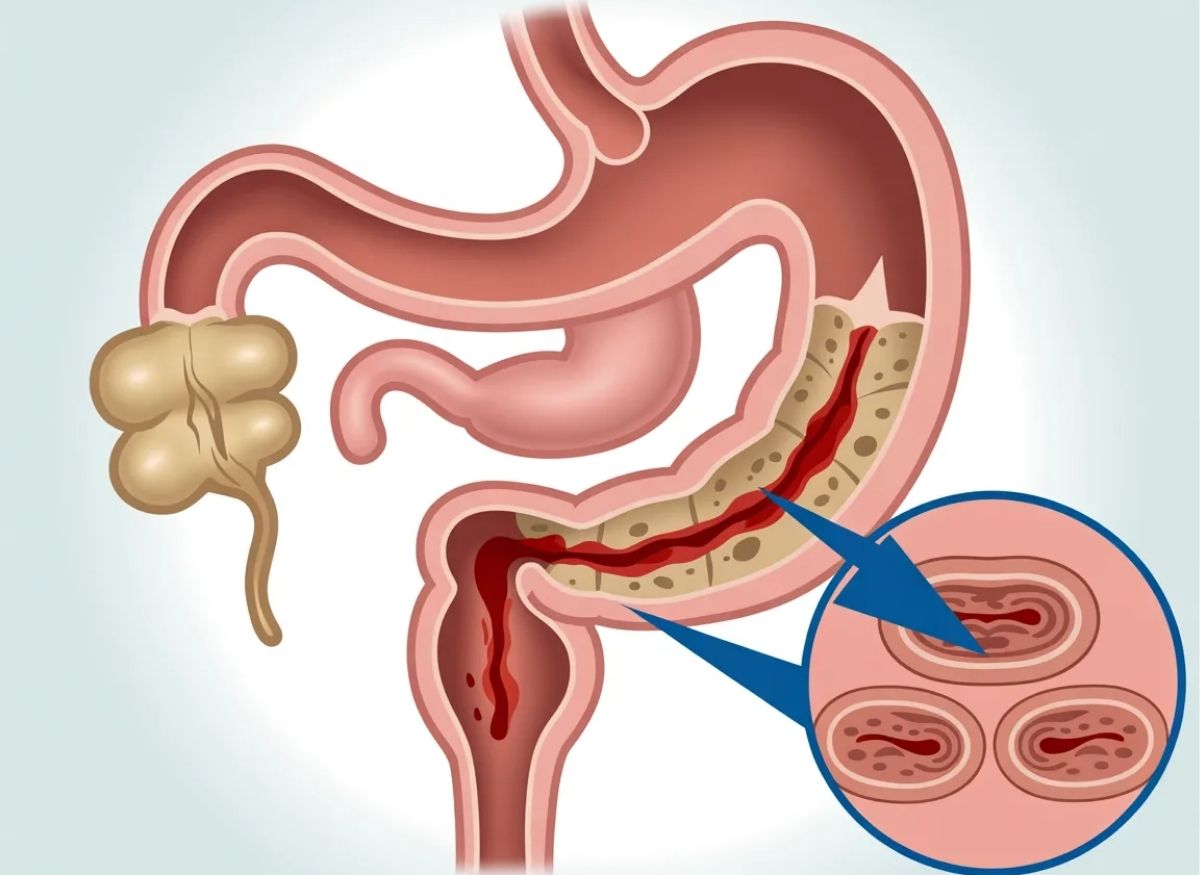
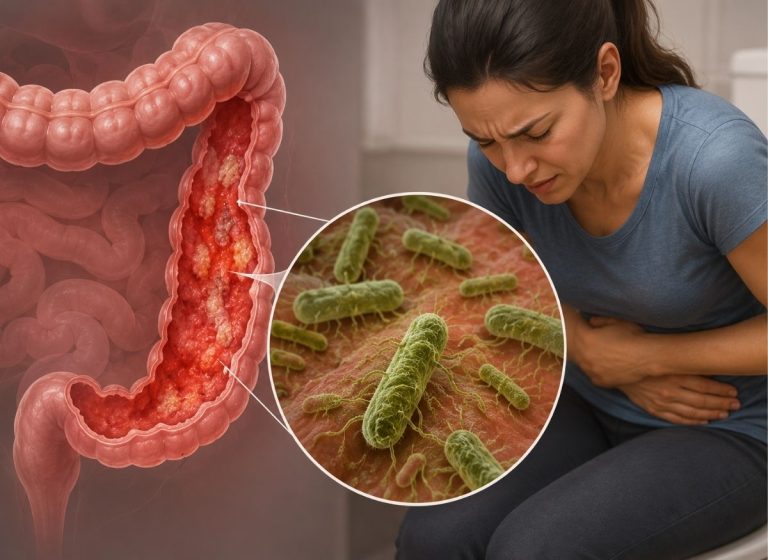
Blood in the stool is a symptom that should not be ignored. In some cases, it may come from relatively minor problems such as hemorrhoids or small tears in the digestive tract. However, it can also be a sign of more serious conditions affecting the colon or gastrointestinal system. The color and appearance of the blood, whether it is bright red, dark, or mixed with the stool, can provide useful clues about where the bleeding may be coming from.
Seeing blood in the stool can naturally cause concern, especially when you are unsure about what it means or whether you need medical care. In this article, “7 Causes of Blood in the Stool You Should Take Seriously,” we will discuss common causes of rectal bleeding, explain what different colors of blood may indicate, and describe when professional medical evaluation is important.
Causes of Rectal Bleeding: What Does the Color Mean?
The color of blood in the stool can provide important information about the location of bleeding within the gastrointestinal (GI) tract. Its appearance can change depending on how long the blood remains in contact with digestive acids and enzymes. When bleeding occurs near the end of the digestive tract, such as in the rectum or lower colon, the blood usually remains bright red because it leaves the body quickly. Fresh blood on poop or blood noticed while wiping often suggests that the source is close to the anus.
Common and Less Serious Causes of Bright Red Bleeding
Bright red bleeding can often be caused by common conditions such as hemorrhoids or anal fissures. Sharp pain during a bowel movement may point toward an anal fissure, which is a small tear in the anal lining that can occur when passing hard stool with blood. On the other hand, rectal bleeding with no pain or pooping blood with no pain can commonly occur with internal hemorrhoids.
Although these conditions are common, blood from the rectum can also occur because of inflammation, such as proctitis, or conditions such as colon polyps and diverticular disease, in which small pockets in the colon wall may bleed.
What Dark or Black Tarry Stools (Melena) Signify
Bleeding that starts higher in the digestive tract, such as in the stomach or esophagus, can look very different. Stomach acid breaks down the blood as it moves through the digestive system, causing it to become dark. This can produce black, sticky, tar-like stool known as melena stool.
Unlike fresh red blood, melena often has a sticky texture and a strong, unpleasant smell. It may be associated with stomach ulcers or severe gastritis. In more serious situations, dark blood in stool can be related to esophageal varices, which are enlarged veins that can bleed significantly.
Serious Conditions and Dietary False Alarms
Not every red or black change in stool is caused by actual bleeding. Certain foods and medications can change stool color and create confusion. For example, beets and cranberries may make stool appear red, while iron supplements and bismuth-containing medicines can make stool look black or tar-like.
However, visible blood can also be an important warning sign of conditions such as colorectal cancer or inflammatory bowel disease (IBD). Persistent bleeding from the anus or blood-tinged mucus in stool should therefore be evaluated by a healthcare professional. This is particularly important in situations such as blood in stool during pregnancy or blood in newborn stool, where the possible causes can vary considerably.
Symptoms Accompanying Blood in the Stool: When Should You Be Concerned?
Blood in the stool becomes more concerning when it occurs along with other symptoms. Heavy or ongoing bleeding, dizziness, fainting, a rapid or irregular heartbeat, confusion, or severe abdominal pain can indicate a medical emergency.
A tiny amount of bright red blood in stool on toilet paper after a hard bowel movement may sometimes result from a minor anal fissure. However, other warning signs require prompt medical attention. Understanding the situation surrounding the bleeding is more important than simply noticing blood itself. Any significant amount of blood from the rectum or bleeding combined with other concerning symptoms should not be ignored.
Is Rectal Bleeding Ever Considered Normal?
No, bleeding from the back passage should not simply be considered normal. Although hemorrhoids and other harmless conditions can cause fresh blood on poop, bleeding still indicates that there is some form of irritation, injury, or underlying condition that should be assessed.
Ignoring bleeding from the anus because it does not hurt can be risky. Serious conditions, including colorectal cancer, can sometimes cause bleeding without pain. Even when hemorrhoids or a small fissure are suspected, a healthcare professional can help confirm the cause and make sure more serious problems are not being overlooked.
For example, a younger person who notices a small amount of blood while wiping after passing hard stool may have a simple fissure. The same symptom in an older adult may require a different level of evaluation. A healthcare professional can determine whether blood in stool with no pain needs additional testing. Both painless and painful bleeding deserve appropriate medical attention.
What Accompanying Symptoms are Medical Emergencies?
Certain symptoms occurring with blood from the rectum should be treated as medical emergencies. These include heavy or continuous bleeding and signs of shock. Significant blood loss can affect circulation and may lead to a dangerous drop in blood pressure. Immediate medical care is necessary to stabilize the person and identify the source of bleeding.
Passing large blood clots or a substantial amount of blood is a clear warning sign. Serious conditions such as ruptured esophageal varices or acute diverticular bleeding can cause severe blood loss. A person may also develop dizziness, weakness, a feeling of faintness, or actual loss of consciousness.
Dark blood in stool together with sudden and severe abdominal pain can also indicate a serious gastrointestinal problem, including complications related to a stomach ulcer. Changes in mental status, such as confusion, may occur when major blood loss reduces the amount of oxygen reaching the brain and can indicate severe shock.
Other Warning Signs That Warrant a Doctor’s Visit
Other symptoms that occur with blood in the stool can also indicate an underlying health problem. These include unexplained weight loss and ongoing fatigue. Such symptoms may be associated with chronic conditions such as inflammatory bowel disease or colorectal cancer.
Unintentional weight loss can occur with several serious illnesses. Conditions such as ulcerative colitis and Crohn’s disease may cause bloody diarrhea, appetite changes, and other digestive problems. Persistent changes in bowel habits, including constipation with blood or unusually narrow stools, can also require evaluation.
Slow, ongoing blood loss from the gastrointestinal tract can lead to iron deficiency anemia. This may cause tiredness and pale skin, and the bleeding may not always be obvious. Tenesmus, or the feeling that you still need to have a bowel movement even after going, can sometimes occur when inflammation or a mass affects the rectum. When this feeling occurs along with blood-tinged mucus in stool, medical evaluation becomes especially important.
How Do Doctors Diagnose The Cause of Rectal Bleeding?
Doctors use a step-by-step approach to determine the cause of blood in the stool. The evaluation may begin with a physical examination and progress to procedures that allow the digestive tract to be viewed directly. Since rectal bleeding can come from many different locations, healthcare professionals use several methods to determine whether the source is a minor problem such as an anal fissure or a more serious condition such as colorectal cancer.
Initial Consultation and Physical Examination
The evaluation usually begins with a detailed medical history. A doctor may ask about the color of the blood, whether it appears bright red on the stool or toilet paper, or whether the stool is black and tar-like. These details can help determine whether the bleeding may be coming from the upper or lower digestive tract.
A physical examination may also include a digital rectal exam (DRE). During this examination, the doctor uses a gloved and lubricated finger to check the rectum for abnormalities. This can help identify problems such as internal hemorrhoids or detect masses that may be associated with a tumor or polyp.
Localized Visualization through Anoscopy
If the examination suggests that the source of bleeding is close to the anus, the doctor may perform an anoscopy. This procedure uses a short, lighted instrument to examine the anal canal and the lowest portion of the rectum.
Anoscopy can help identify problems such as internal hemorrhoids or anal fissures caused by hard stool. It is generally a quick procedure and can help explain fresh blood on poop, blood while wiping, or localized bleeding from the anus.
Endoscopic Evaluation of the Colon
When doctors need to examine deeper parts of the large intestine, they may use flexible sigmoidoscopy or colonoscopy. A sigmoidoscopy focuses on the lower section of the colon and may help identify conditions associated with bloody diarrhea, ulcerative proctitis, or diverticulosis.
A colonoscopy examines the entire large intestine and is especially useful when doctors need to investigate dark blood in stool or blood-tinged mucus in stool. It can help detect inflammatory bowel disease, polyps, and other abnormalities. One advantage of colonoscopy is that certain problems, such as bleeding polyps, can sometimes be treated during the same procedure.
Investigating Upper GI Sources
When stool is black and tar-like or when dark blood in stool suggests bleeding higher in the digestive tract, doctors may investigate the upper gastrointestinal system. An Upper Endoscopy (EGD) allows the doctor to examine the esophagus and stomach directly.
This procedure can help identify conditions such as stomach ulcers, severe gastritis, or esophageal varices. Blood tests may also be used to check for anemia and determine how much blood may have been lost.
The Difference between Hematochezia and Melena
Understanding the difference between hematochezia and melena can help explain where bleeding in the gastrointestinal tract may be occurring. The main difference is the appearance of the stool, which is influenced by how long the blood remains inside the digestive system and how much it is changed by digestive chemicals.
Hematochezia: Lower Gastrointestinal Bleeding
Hematochezia refers to fresh, bright red blood in stool. It may appear as streaks on the outside of the stool, fresh blood on poop, or blood noticed while wiping. Because the blood has not traveled far through the digestive system, it usually remains bright red.
This generally suggests a source in the lower gastrointestinal tract, such as the colon, rectum, or anus. Common causes include hemorrhoids, anal fissures, diverticular bleeding, and colorectal polyps. When the bleeding comes from a lower location, the stool itself may retain its usual appearance and odor because the blood has not been significantly digested.
Melena: Upper Gastrointestinal Bleeding
Melena refers to black, sticky, tar-like stool that often has a strong and unpleasant odor. It generally occurs when bleeding starts in the upper gastrointestinal tract, including the esophagus, stomach, or duodenum.
As blood travels through the digestive tract, stomach acid and digestive enzymes break down the hemoglobin. This changes the blood into a dark pigment and produces the characteristic black appearance of melena stool.
Melena can occur with stomach ulcers, severe gastritis, or bleeding esophageal varices. Because it may indicate significant internal bleeding, black tarry stool should receive prompt medical evaluation.
Summary of Differences
The main difference between hematochezia and melena is the color and appearance of the stool. Hematochezia generally involves fresh, bright red blood and is more commonly associated with lower GI bleeding. Melena produces black, sticky, tar-like stool because the blood has been digested during its passage through the upper digestive tract.
Rectal bleeding with no pain can occur with different conditions, but the distinct smell and appearance of melena are important clues that the blood has been altered by digestion.
Lifestyle Changes Can Help Prevent Common Causes of Rectal Bleeding
Healthy lifestyle habits can help reduce the risk of some common causes of blood in the stool, especially hemorrhoids and anal fissures. These conditions are often linked with constipation, hard stools, and straining during bowel movements.
A healthy digestive routine generally focuses on adequate fiber, sufficient hydration, healthy bowel habits, and regular physical activity. These steps can help keep stools softer and easier to pass, reducing pressure on the rectal area.
Enhancing Fiber and Hydration for Stool Quality
Increasing dietary fiber can help prevent constipation and reduce the risk of hard stool with blood. Fiber helps add bulk to stool and draws water into the colon, making bowel movements easier to pass.
A daily intake of around 25 to 35 grams of fiber can be achieved by eating foods such as legumes, berries, whole grains, and other fiber-rich foods. However, fiber works best when you also drink enough water. Without adequate fluids, increasing fiber may sometimes make stools bulkier without making them soft.
Drinking around 2 liters of water per day can help support healthy digestion and allow fiber to work effectively, although individual fluid needs can vary.
Improving Bowel Habits and Mechanics
Straining during bowel movements is a common factor that can contribute to hemorrhoids and rectal bleeding with no pain. Responding to the body’s natural urge to have a bowel movement can help prevent stool from becoming dry and difficult to pass.
When the urge to use the bathroom is repeatedly ignored, the colon continues to absorb water from the stool, which can make it harder and more difficult to pass.
Toilet posture may also make bowel movements easier. Placing a small footstool under the feet to raise the knees above the hips can create a more natural squatting position. This may reduce the amount of straining needed and lower the chance of irritation or bleeding.
Maintaining Activity and Weight
Regular physical activity can support healthy digestion. Activities such as walking or swimming can stimulate intestinal movement, helping prevent constipation and keeping waste moving through the digestive system.
Maintaining a healthy weight may also reduce excess pressure around the abdomen and pelvic area. Staying active and reducing unnecessary pressure can help lower some of the factors associated with hemorrhoids and other lower GI irritation.
The Role of Moderation in Supplements and Medications
Along with diet and exercise, it is useful to consider how medications and supplements affect digestion. Some pain medications may contribute to constipation, while iron supplements can cause stool to become dark or black, which may resemble melena stool.
If you are making changes to your diet or digestive routine, discussing your medications and supplements with a healthcare professional can help determine whether any of them may be affecting your bowel habits or stool appearance.
How Does Rectal Bleeding in Pregnant Women Compare to The General Population?
Rectal bleeding can occur in anyone, but pregnancy creates physical and hormonal changes that can increase the likelihood of certain causes. In the general population, blood in the stool can be associated with conditions such as hemorrhoids, diverticular disease, polyps, or other gastrointestinal problems.
During pregnancy, hormonal changes and the growing uterus can place additional pressure on the digestive system and pelvic blood vessels. Even so, rectal bleeding with or without pain should still be evaluated by a healthcare professional to make sure the cause is properly understood.
Pregnancy-Specific Triggers for Hemorrhoids
Hemorrhoids are a common cause of bright red blood in stool during pregnancy. As the uterus grows, it can place pressure on the pelvic veins and the inferior vena cava, which may slow blood flow from the lower body and cause the rectal veins to swell.
Pregnancy also increases the body’s total blood volume, while hormonal changes can relax the walls of the veins. Together, these changes can make hemorrhoids more likely and can lead to fresh blood on poop or blood on toilet paper, particularly after straining.
Constipation and the Risk of Anal Fissures
Pregnancy hormones, especially progesterone, can slow the movement of the digestive tract and contribute to constipation. Iron supplements taken during pregnancy may also make stools harder.
Passing hard stools and straining can cause an anal fissure, which is a small tear in the anal lining. Unlike the painless bleeding that can occur with internal hemorrhoids, fissures often cause sharp or stinging pain during or after a bowel movement and may produce bright red blood in stool.
Diagnostic Nuance and Safety
Because hemorrhoids and anal fissures are common during pregnancy, doctors often begin with less invasive evaluations. A physical examination or anoscopy may be used to identify the cause of bleeding.
More invasive procedures, such as colonoscopy, are generally considered only when there are concerning warning signs, including heavy bleeding or melena stool, which can suggest an upper gastrointestinal source such as a stomach ulcer.
Summary of Risk Factors
The likely causes of rectal bleeding can vary depending on a person’s stage of life and health circumstances. In the general population, factors such as age, diverticular disease, and colorectal conditions may be important considerations. During pregnancy, pressure on the pelvic veins, hormonal changes, and constipation make hemorrhoids and fissures more common.
However, symptoms such as blood-tinged mucus in stool or unexplained weight loss should be taken seriously in anyone because they may indicate an underlying condition that needs further evaluation.
Conclusion
Finding blood in the stool can be worrying, but understanding the possible causes can help you know when to seek medical attention. Some causes are relatively minor, while others may require prompt diagnosis and treatment.
Paying attention to the color and amount of blood, how often it occurs, and any symptoms that appear alongside it can provide useful information about digestive health.
If you experience persistent or unexplained blood in the stool, speak with a healthcare professional for an appropriate evaluation. Finding the cause early can support timely treatment and may help prevent complications. Staying aware of changes in your digestive health is an important part of protecting your overall well-being.
Frequently Asked Questions (FAQ) About Blood in the Stool
What causes blood in the stool?
Blood in the stool can have many possible causes, ranging from common minor conditions to more serious diseases. Hemorrhoids, anal fissures, infections, and inflammatory bowel diseases are among the possible causes. It can also occur with polyps or certain colorectal conditions. Identifying the source is important for choosing the appropriate treatment.
Is blood in the stool always serious?
Not necessarily. Small amounts of bright red blood can sometimes be caused by hemorrhoids or anal fissures. However, persistent bleeding, large amounts of blood, or dark and tar-like stool can point to a more serious digestive problem. Since the exact cause cannot always be determined by appearance alone, continued bleeding should be medically evaluated.
What does the color of blood in the stool mean?
The color can provide clues about where the bleeding may be occurring. Bright red blood usually suggests a source in the lower digestive tract, such as the anus or rectum. Dark red or black, tar-like stool may indicate bleeding farther up in the digestive system, including the stomach or upper intestines.
When should I see a doctor for blood in the stool?
Medical attention is recommended when bleeding happens repeatedly, is accompanied by pain, or occurs with symptoms such as unexplained weight loss, fatigue, or changes in bowel habits. Immediate medical care is important when there is a large amount of blood, dizziness, fainting, weakness, or other signs of significant blood loss.
How is blood in the stool diagnosed?
Doctors may use a physical examination along with medical tests to determine the cause of bleeding. Depending on the symptoms, evaluation can include stool tests, blood tests, anoscopy, colonoscopy, or other procedures and imaging studies. The purpose is to locate the bleeding source and identify the underlying condition.
Can blood in the stool be prevented?
Prevention depends on the cause. Eating enough fiber, drinking adequate water, staying physically active, and avoiding constipation can help reduce the risk of hemorrhoids and anal fissures. Regular medical checkups and recommended screenings can also help identify digestive problems early.