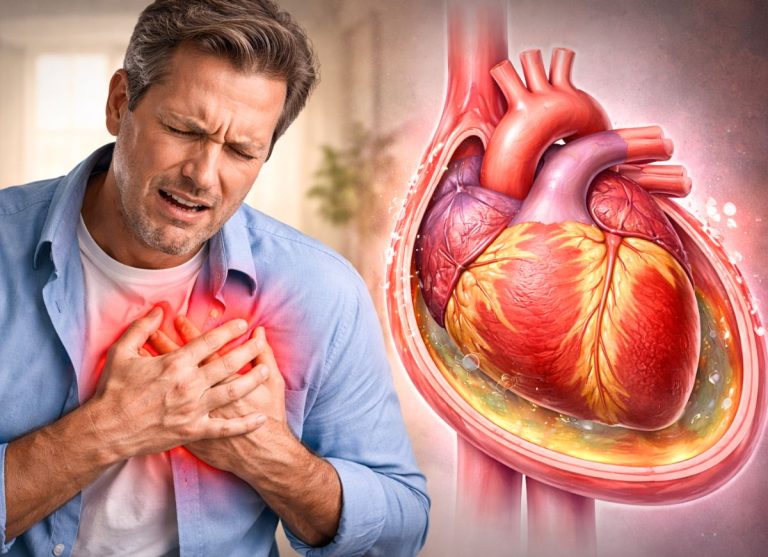

10 Hidden Warning Signs Your Cholesterol Levels Are Too High
High cholesterol is often called a silent condition. It usually causes no symptoms until real damage has already been done. Many people have high levels for years without knowing, because the signs are subtle and easy to miss. But what if your body is already trying to tell you something?
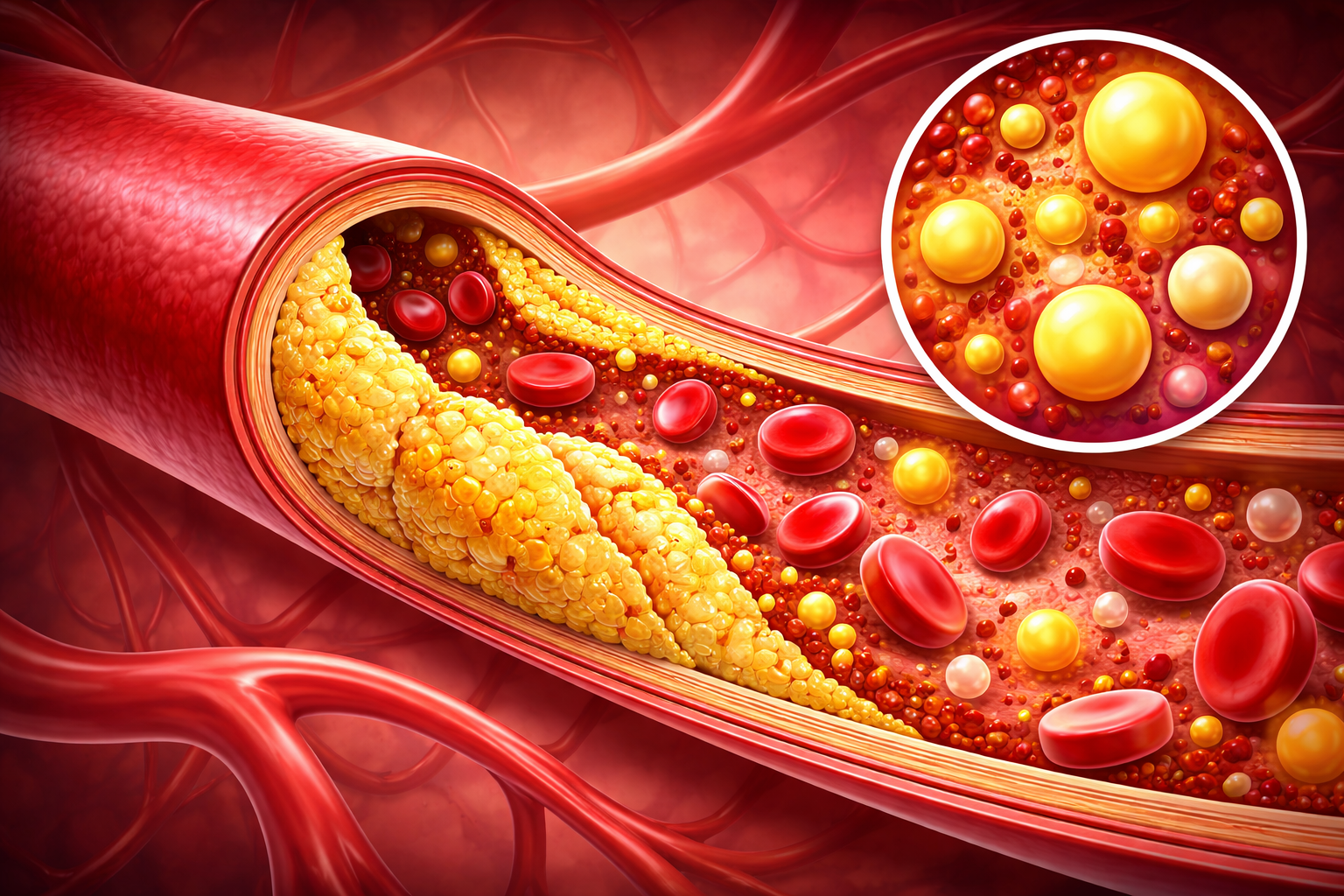
Cholesterol is a waxy substance your body needs to build healthy cells. When levels climb too high, it forms fatty deposits inside your blood vessels. These deposits make it harder for blood to flow and raise the risk of heart disease, heart attack, and stroke.
The catch is that cholesterol doesn’t always announce itself. You may feel completely normal while your body sends quiet signals that something is wrong.
Certain physical changes can be clues. They range from tiredness and unexplained aches to skin changes and chest pain. The good news is that spotting these signs early gives you time to act.
This article covers 10 hidden warning signs of high cholesterol. Whether it’s an odd feeling in your legs, unusual marks on your skin, or constant tiredness, each clue says something about your heart health.
Catching them early lets you lower your cholesterol and cut the risk of serious problems later. Read on to see what your body may be trying to tell you.
What is High Cholesterol (Hypercholesterolemia)?
High cholesterol, medically called hypercholesterolemia, means there are too many fats (lipids) in your blood, especially low-density lipoprotein (LDL) cholesterol. Over time this leads to plaque building up in your arteries.
Your body needs cholesterol to build healthy cells, but too much puts your cardiovascular health at risk. Your liver makes all the cholesterol you need. Extra comes from animal foods such as meat, poultry, and full-fat dairy.
Cholesterol also has important jobs. It helps make hormones and vitamin D, and it forms the bile acids that help you digest food. The danger comes from an imbalance: too much “bad” LDL and too little “good” high-density lipoprotein (HDL), which helps clear excess cholesterol from the body.
That imbalance starts atherosclerosis, in which fatty deposits build up along artery walls. The arteries narrow and blood flow drops. Over time, this silent process can cause heart disease, heart attack, and stroke.
The Term “Silent” In the Context of High Cholesterol
When we call high cholesterol “silent,” we mean it usually causes no obvious symptoms in its early stages, often for many years.
Other conditions cause pain or visible changes right away. High cholesterol works quietly, damaging your cardiovascular system from the inside while you notice nothing.
You can feel healthy and active while plaque slowly narrows your arteries. That’s what makes it so dangerous: the first sign is often a major event like a heart attack or stroke.
Because there are no early warnings, millions of people don’t know their cholesterol is high or that their heart risk is rising. The only reliable way to find out is a blood test called a lipid panel (or lipid profile). It measures total cholesterol, LDL (bad) cholesterol, HDL (good) cholesterol, and triglycerides.
You can’t feel high cholesterol or diagnose it yourself. Regular screening, as your doctor recommends, is the best way to catch it early and treat it before the damage becomes permanent.
The main lesson is to monitor your health proactively instead of waiting for symptoms that may only show up once the disease is advanced.
Is Having High Cholesterol a Common Health Issue?
Yes. High cholesterol is very common and affects millions of people worldwide.
The Centers for Disease Control and Prevention (CDC) reports that in the US alone, nearly 86 million adults aged 20 or older have total cholesterol above 200 mg/dL. Nearly 25 million have levels above 240 mg/dL, which counts as high.
The World Health Organization (WHO) says raised cholesterol is a major cause of disease in both developed and developing countries. It is responsible for a large share of ischemic heart disease and strokes.
It’s also one of the biggest risk factors for cardiovascular disease that you can change, and cardiovascular disease is still the world’s leading cause of death.
Several trends explain why it’s so widespread:
- More sedentary lifestyles
- Diets heavy in processed food, saturated fat, and trans fat
- Rising rates of obesity and type 2 diabetes
Since it is so common and so silent, health authorities strongly urge regular cholesterol screening, especially for adults over 20.
Knowing how common it is, and knowing your own numbers, encourages prevention and early treatment. Both can greatly reduce the risk of life-threatening heart and blood vessel problems later in life.
10 Silent Symptoms of High Cholesterol
Xanthomas
Xanthomas are firm, yellowish lumps or plaques that can show up on different parts of the body. They are small local deposits of fat. Tendon xanthomas are the classic type. They usually appear on the Achilles tendons or the tendons of the hands and fingers and feel like hard, painless lumps under the skin.
Eruptive xanthomas look like clusters of small yellowish-red bumps. They can appear suddenly on the buttocks, shoulders, or legs and are often linked to very high triglycerides. Tuberous xanthomas are larger and more nodular, and they tend to form over joints like the elbows and knees.
Xanthomas strongly suggest a significant underlying lipid disorder. Often it is familial hypercholesterolemia, a genetic condition that causes extremely high cholesterol from a young age.
Xanthelasma (or Xanthelasma Palpebrarum)
Xanthelasma is a type of xanthoma. It appears as flat, soft, yellowish patches on or around the eyelids, most often near the inner corner of the eye. They don’t hurt and aren’t harmful, though some people dislike how they look.
Around 50% of people with xanthelasma have high cholesterol, so it’s a useful clinical clue. When doctors see it, they usually order a lipid panel right away, since it is an outward sign of an internal problem.
Arcus Senilis
Arcus senilis is another eye-related warning sign. It shows up as a white, gray, or bluish ring or arc around the outer edge of the cornea, the clear, dome-shaped layer at the front of your eye.
The ring forms when cholesterol and other fats leak from tiny blood vessels at the edge of the cornea. As the deposits build, they create a visible, opaque border between the iris (the colored part) and the sclera (the white part).
Arcus senilis is common in older adults and is usually seen as a normal part of aging, which is where the word “senilis” comes from. When it appears before age 45, though, it matters much more. It is also called corneal arcus.
In younger people it is a strong sign of hypercholesterolemia, and possibly familial hypercholesterolemia. Early onset suggests cholesterol has been high for a long time and calls for a prompt, thorough check of cholesterol levels and overall heart risk.
The ring doesn’t affect vision or cause symptoms, but it is an important outward marker of a serious internal issue.
Intermittent Claudication
This is the hallmark symptom of peripheral artery disease (PAD). You feel pain, cramping, or fatigue in your legs, most often in the calves but sometimes in the thighs or buttocks. It starts with activity such as walking and eases after a few minutes of rest.
It happens because your working muscles aren’t getting enough oxygen-rich blood to meet the extra demand during exercise. Pain that reliably begins with activity and fades with rest is a key diagnostic clue.
Cold Feet or Hands
Reduced blood flow to your extremities can make one foot or hand feel much colder than the other. Both may also feel cold all the time. The skin can look pale or bluish (cyanotic) from poor circulation. This shows your body struggling to get warm blood to its farthest parts.
Poor Wound Healing
Less blood supply also weakens your body’s ability to heal. Small cuts, sores, or ulcers on the feet and legs may heal very slowly, or not at all.
This is dangerous because wounds that won’t heal can easily get infected. Infection can lead to serious problems like gangrene and sometimes amputation. Other signs of poor circulation in the limbs include weak or missing pulses in the feet, shiny skin on the legs, and slow growth of toenails and leg hair.
Chest Pain (Angina)
Angina is chest discomfort, pressure, tightness, or squeezing that happens when the heart muscle doesn’t get enough oxygen-rich blood. It results directly from narrowed coronary arteries.
Stable angina is predictable. It happens with physical effort and eases with rest. Unstable angina is more dangerous. It can occur at rest, feels more severe, and signals an imminent risk of a heart attack.
Shortness of Breath (Dyspnea)
If blockages or damage stop the heart from pumping efficiently, fluid can back up into the lungs and make it hard to breathe. This can happen with or without chest discomfort. It may come on during activity or even when lying down.
Dizziness, Lightheadedness, or Fainting
These can happen when the brain doesn’t get enough blood. The cause may be blocked carotid arteries (the ones that supply the brain) or a weakened heart that can’t pump properly.
Pain in Other Areas
Heart attack pain doesn’t always stay in the chest. It can spread to the neck, jaw, shoulders, upper back, or one or both arms. Women in particular are more likely to have these atypical symptoms instead of classic chest pain.
These acute symptoms are the end result of the silent disease process behind high cholesterol. That is why early detection and management matter so much.
What are The Primary Causes and Risk Factors For High Cholesterol?
Lifestyle Choices Leading to High Cholesterol
Several lifestyle choices contribute to high cholesterol. The main ones are diet, physical activity, smoking, and heavy drinking.
Diet high in saturated and trans fats. This is probably the biggest dietary factor. Saturated fats are found in red meat, full-fat dairy, butter, and tropical oils like coconut and palm oil. They directly push the liver to make more LDL (“bad”) cholesterol.
Trans fats are even worse. They are common in fried foods, baked goods, and processed snacks. They raise LDL and also lower HDL (“good”) cholesterol. Too little soluble fiber (found in oats, fruit, and beans) can also raise your levels, because fiber helps remove cholesterol from the body.
Sedentary lifestyle. Being inactive lowers HDL. HDL works like a cleanup crew, carrying excess cholesterol from the arteries back to the liver for disposal.
When HDL is low, that cleanup slows down. LDL builds up and forms plaque. Regular aerobic exercise like brisk walking, running, or swimming raises HDL. It also helps with weight control, another key factor.
Smoking. Tobacco smoke damages the inner lining of blood vessels (the endothelium), which makes it easier for fatty plaque to build up. Smoking also lowers HDL and makes LDL stickier, so it clings to artery walls. Even secondhand smoke can hurt your cholesterol and heart health.
Excessive alcohol. Moderate drinking has been linked to higher HDL, but heavy drinking does the opposite. It can raise both total cholesterol and triglycerides. It also contributes to high blood pressure, liver damage, and weight gain, all of which raise heart disease risk.
Non-modifiable Risk Factors
Some risk factors are outside your control, mainly your genes, your age, and certain other medical conditions. You can’t change them, but knowing about them helps you judge your personal risk and stay on top of monitoring.
Genetics. Your genes strongly affect how your body handles cholesterol. Familial hypercholesterolemia (FH) is a genetic disorder that causes extremely high LDL from birth.
People with FH carry a faulty gene that stops the body from clearing LDL from the blood properly. This puts them at very high risk of early atherosclerosis and heart disease, sometimes causing heart attacks in their 20s, 30s, or 40s.
Even without a condition like FH, a family history of high cholesterol or early heart disease suggests a genetic tendency that raises your own risk.
Age and sex. Cholesterol tends to rise as you get older, because the body clears it from the blood less efficiently. Before menopause, women usually have lower total cholesterol than men of the same age. After menopause, LDL often rises, and a woman’s heart disease risk can become similar to, or higher than, a man’s.
Other health conditions. Some conditions disrupt the body’s metabolism and cause secondary hypercholesterolemia. Type 2 diabetes, for example, often brings high triglycerides, low HDL, and a dangerous type of small, dense LDL particle.
Chronic kidney disease, hypothyroidism (underactive thyroid), and liver disease can also raise cholesterol. Managing these conditions is an important part of controlling your cholesterol.
Complications of Untreated High Cholesterol?
High Cholesterol Leading to Heart Disease and Heart Attack
High cholesterol leads directly to coronary artery disease (CAD) and heart attack. It causes atherosclerotic plaques to form in the coronary arteries, the vessels that bring oxygen-rich blood to the heart muscle.
The process is slow and cumulative:
- High levels of LDL (“bad”) cholesterol in the blood let LDL particles slip into the inner lining (endothelium) of the coronary arteries.
- Inside the artery wall, the LDL becomes oxidized, which triggers inflammation.
- The body sends white blood cells called macrophages to clean up the oxidized LDL. They become stuffed with fat and turn into foam cells.
- The foam cells pile up and form the core of an atherosclerotic plaque.
Over many years the plaque grows. It narrows the inside of the artery and stiffens its walls. This can cause angina (chest pain), especially during exertion, when the heart needs more oxygen.
A heart attack (myocardial infarction) usually happens when one of these plaques becomes unstable and ruptures. The body treats the rupture as an injury and starts clotting to repair it. A clot forms over the plaque. If it’s large enough, it can fully block an artery that is already narrowed.
Blood flow then stops abruptly, and part of the heart muscle is starved of oxygen. Cells in that area begin to die. How much damage is done depends on the size of the blocked artery and how long it takes to restore blood flow.
High Cholesterol Contributing to Stroke
High cholesterol contributes to stroke mainly by causing atherosclerosis in the arteries that supply the brain, especially the carotid arteries in the neck. It can also cause conditions that send clots to the brain.
A stroke is a “brain attack.” It happens when blood flow to part of the brain is cut off or reduced, so brain tissue can’t get oxygen and nutrients and cells begin to die within minutes. High cholesterol can cause this in two main ways.
Ischemic stroke from atherosclerosis. This is the most common route. Plaque can build up in the carotid arteries or the smaller vertebral arteries leading to the brain, just as it does in the heart’s arteries.
If a plaque grows large enough, it can severely restrict blood flow (stenosis). More dangerously, a piece can break off and travel to a smaller artery in the brain and block it completely. A plaque can also rupture and form a clot on its surface that blocks the carotid artery itself. This is called a thrombotic stroke.
Strokes that start elsewhere. Severe atherosclerosis in the aorta (the body’s main artery) can create plaques that break off and travel to the brain.
Coronary artery disease from high cholesterol can also lead to an irregular heartbeat such as atrial fibrillation. In atrial fibrillation, the upper chambers of the heart quiver instead of beating effectively, so blood can pool and form clots. If a clot breaks free, it can travel through the blood straight to the brain and cause a severe embolic stroke.
High Cholesterol Diagnosis
High cholesterol is diagnosed with a simple blood test called a lipid panel. It measures different fats, including LDL and HDL cholesterol and triglycerides. The results show your risk of cardiovascular disease.
Understanding this test and the role of each type of fat helps you read your results and manage your health.
Your healthcare provider will look at the numbers alongside your age, family history, and other risk factors to decide the best plan for you.
Lipid Panel Blood Test
A lipid panel, also called a lipid profile, is a blood test that measures the amount of specific fats in your bloodstream. You may be asked to fast for 9 to 12 hours beforehand, because recent food can temporarily raise triglycerides.
The test gives a snapshot of your cardiovascular health by measuring four key components:
- Total Cholesterol: All the cholesterol in your blood combined, including LDL, HDL, and other lipid components.
- LDL Cholesterol: The “bad” cholesterol. It is the main contributor to plaque buildup in the arteries (atherosclerosis), which raises the risk of heart attack and stroke.
- HDL Cholesterol: The “good” cholesterol. It carries excess cholesterol from the arteries back to the liver for disposal, which protects against heart disease.
- Triglycerides: Extra calories, especially from sugar and alcohol, are turned into triglycerides and stored in fat cells. High levels contribute to hardening of the arteries.
Each number tells you something different about your metabolic health and heart risk. A high total cholesterol can be a red flag, but you need the breakdown to understand it. A high total driven mostly by high HDL is less worrying than one driven by high LDL. So doctors look at each number on its own and as part of the whole picture.
The Difference Between LDL (bad) and HDL (good) Cholesterol
LDL and HDL differ in what they do and how they affect your arteries. Both are lipoproteins, particles made of fat and protein that carry cholesterol through the blood, but their roles are opposite.
LDL is called “bad” because it delivers cholesterol from the liver to cells around the body. If you have too much LDL, the extra cholesterol can be deposited on your artery walls.
Over time it combines with other substances to form thick, hard plaques. This is atherosclerosis. It narrows the arteries, restricts blood flow, and increases the risk of blood clots that can lead to a heart attack or stroke.
HDL is called “good” because it acts like a scavenger. It collects excess cholesterol from your arteries and tissues and carries it back to the liver, where it is broken down and removed. Higher HDL is protective. It helps prevent plaque buildup and may even help reduce existing plaque.
High Triglycerides and High Cholesterol
High triglycerides and high cholesterol are different problems, though both are fats in the blood and both appear on a standard lipid panel.
Cholesterol is a waxy, fat-like substance your body needs to build cells, make hormones, and produce vitamin D. Your body makes all it needs, but you also get some from food.
Triglycerides are a type of fat that stores extra energy from your diet. When you eat more calories than you need right away, your body converts them into triglycerides and stores them in fat cells for later.
Both are needed for normal body function, but high levels of either can be risky. The main difference is that cholesterol is a building block of cells, while triglycerides are an energy source. Even so, their effects on heart health are connected.
High triglycerides (hypertriglyceridemia) often occur alongside other conditions that raise heart disease risk, such as obesity, metabolic syndrome, and type 2 diabetes. High levels can also harden and thicken artery walls (arteriosclerosis), much like high LDL does.
Can You Have Symptoms of High cholesterol But Normal Test Results?
It’s very unlikely. Having the physical symptoms linked to high cholesterol while your lipid panel is normal would be a contradiction.
The “silent symptoms” discussed above, such as xanthomas (fatty skin deposits), chest pain, and leg pain during exercise (claudication), are not direct symptoms of high cholesterol. They are signs of complications that develop after years of untreated high cholesterol, especially atherosclerosis, the buildup of plaque in the arteries.
That process takes many years, even decades, of high lipid levels before it restricts blood flow enough to cause noticeable signs.
So if your lipid panel is normal, you don’t have the underlying condition that leads to these complications.
If you have chest pain, shortness of breath, or pain in your limbs but your cholesterol is normal, see a doctor to look for other causes. These symptoms can point to other serious problems unrelated to cholesterol.
For example, chest pain can come from non-heart problems like acid reflux or muscle and bone issues, or from heart conditions unrelated to plaque. Leg pain can be a sign of peripheral artery disease (PAD) caused by diabetes, smoking, or high blood pressure, which can damage blood vessels on their own.
FAQs
1. What will I do if my cholesterol is high?
Start by booking an appointment with your healthcare provider to understand the cause. Your doctor may suggest lifestyle changes such as a heart-healthy diet, more physical activity, and stress management.
If lifestyle changes aren’t enough, you may be prescribed cholesterol-lowering medication such as statins. Check your levels regularly so you can track progress and adjust the plan. Your doctor will also help you set healthy cholesterol goals and reach them over time.
2. What are the worst foods for cholesterol?
The worst foods are those high in unhealthy fats, especially saturated and trans fats, which raise LDL (bad cholesterol). These include:
- Fatty cuts of red meat
- Processed meats like bacon and sausages
- Full-fat dairy like cheese and butter
Fast food, fried food, and baked goods made with hydrogenated oils (common in processed snacks and pastries) are also high in trans fats and can raise cholesterol significantly.
Also limit foods with added sugar, such as sugary drinks, pastries, and sweetened cereals. They can add to high cholesterol and overall heart disease risk.
3. How does high cholesterol make you feel?
Most of the time it doesn’t make you feel anything, which is why it’s called a silent condition. Over time, though, high cholesterol can cause plaque buildup that restricts blood flow. That can lead to heart-related symptoms such as chest pain (angina), shortness of breath, dizziness, or fatigue.
If it leads to a heart attack or stroke, you may suddenly have severe symptoms like sharp chest pain, difficulty breathing, or paralysis. Regular testing is essential, because high cholesterol can go unnoticed until serious complications appear.
4. Is coffee bad for cholesterol?
Coffee has a mixed effect. Unfiltered coffee, like French press or espresso, contains compounds called diterpenes (cafestol and kahweol) that can raise LDL (bad cholesterol).
Filtered coffee, such as drip coffee, removes most of these compounds, so it has less impact. Moderate amounts of filtered coffee are generally fine for most people. Avoid adding lots of sugar or full-fat creamers, which can hurt your cholesterol.
If you’re worried about how coffee affects your cholesterol, talk to your healthcare provider.
5. What organ is most affected by high cholesterol?
The heart and blood vessels are affected the most. Over time, excess cholesterol builds up in the arteries and causes atherosclerosis, where the arteries narrow and harden from plaque.
The reduced blood flow can lead to heart disease, stroke, and peripheral artery disease (PAD). High cholesterol can also affect the liver, since the liver produces and manages cholesterol in the body.
Left untreated, it can cause serious problems, including heart attack, stroke, and liver damage.
6. What drinks should I avoid with cholesterol?
If you’re managing high cholesterol, avoid sugary drinks such as soda, sweetened fruit juice, and energy drinks. They contribute to weight gain, insulin resistance, and high triglycerides, all of which make cholesterol worse and raise heart disease risk.
Limit alcohol too, since heavy drinking can raise triglycerides and contribute to fatty liver disease.
Choose water, herbal teas, and unsweetened drinks instead. Green tea in particular has heart-healthy benefits, including helping to lower LDL.
7. What flushes cholesterol out of your body?
Focus on soluble fiber, which binds to cholesterol and helps remove it through digestion. Good sources include oats, beans, lentils, fruits (especially apples and berries), and vegetables such as Brussels sprouts.
Regular physical activity also helps lower LDL (bad cholesterol) and raise HDL (good cholesterol). Drinking plenty of water supports your kidneys and liver, which help clear waste from the body.
Combine these habits with heart-healthy foods and lifestyle changes, and your cholesterol can drop gradually over time.
8. Can high cholesterol affect my eyesight?
Yes. Cholesterol buildup in the arteries can limit blood flow to the eyes and raise the risk of vision problems. One common example is xanthelasma, yellowish fatty deposits that form around the eyelids.
High cholesterol can also cause atherosclerosis in the blood vessels that supply the eyes. This may raise the risk of conditions like retinal artery occlusion and even stroke-related vision loss.
If you notice unusual changes in your vision, see your doctor to find out whether high cholesterol or something else is the cause.
9. Can a person with high cholesterol reverse it without statins?
Yes, it’s possible through lifestyle changes. A heart-healthy diet rich in fiber, healthy fats (like those in fish, nuts, and olive oil), and plant-based foods can lower cholesterol significantly.
Regular exercise like walking, cycling, or swimming also helps by raising HDL (good cholesterol) and lowering LDL (bad cholesterol). Cutting back on alcohol, quitting smoking, and keeping a healthy weight matter too.
Statins help in some cases, but many people manage high cholesterol without them through consistent lifestyle changes and regular monitoring.
Conclusion
High cholesterol is serious but manageable. Know the warning signs, make healthy lifestyle choices, and work closely with your healthcare provider. That is how you lower your cholesterol and protect your heart.
Cholesterol rarely causes immediate symptoms, but its long-term effects can be severe. That’s why early action is so important.
A balanced diet, regular exercise, and other heart-healthy habits can significantly lower your cholesterol and your risk of cardiovascular disease. Small changes lead to big improvements, so start taking control of your cholesterol today for a healthier future.