
8 Things You Should Know About Swollen Nut and Fertility
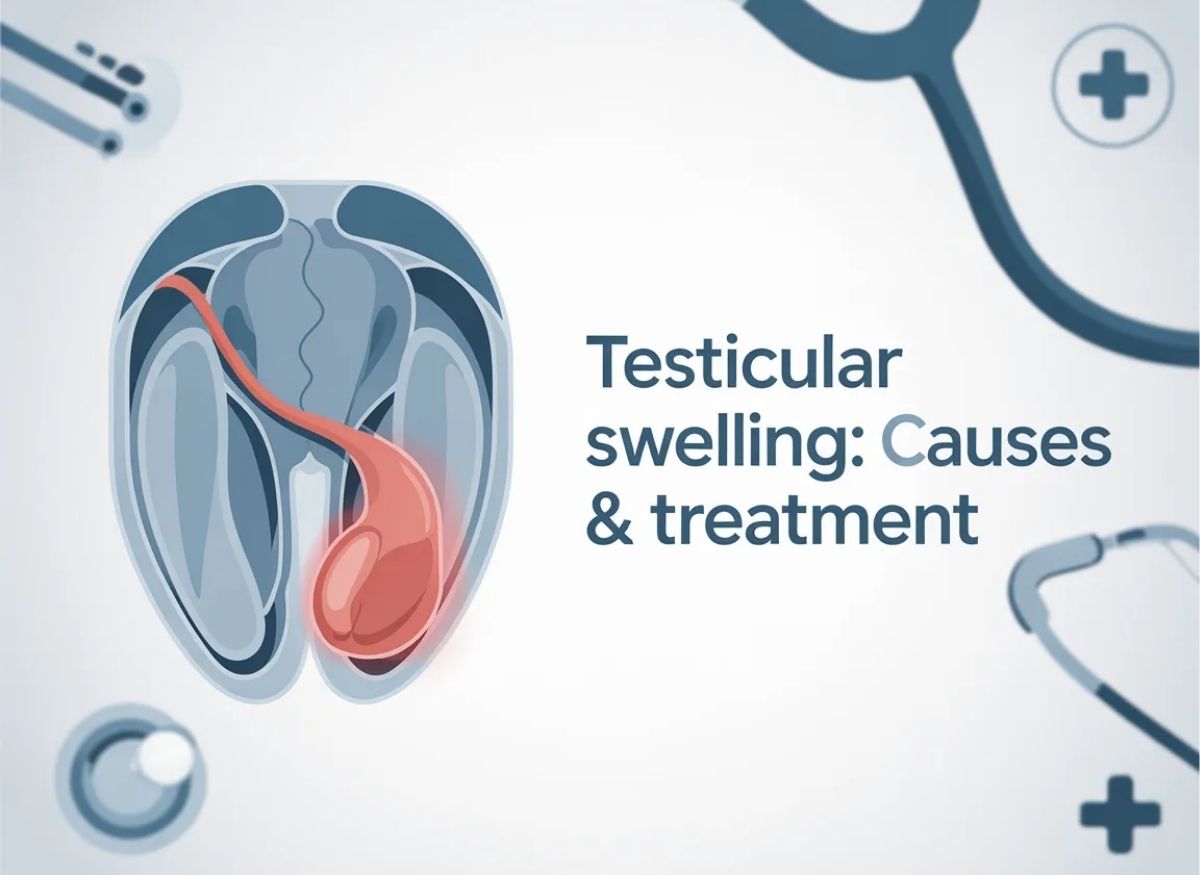
Swollen testicles, sometimes informally called a “swollen nut,” refer to enlargement of one or both testicles or swelling in the scrotal area. Although testicular swelling may sometimes result from a minor injury or temporary condition, it can also indicate an infection, blood-flow problem, or another condition that needs medical attention. Understanding the possible causes of testicular swelling is important for protecting both overall health and fertility.
Testicular swelling can occur at any age and may raise concerns about reproductive health. In some cases, the swelling is temporary, while conditions such as varicocele, infections, or trauma may affect sperm production or quality. Recognizing the cause early and receiving appropriate medical care can help reduce complications and protect fertility.
In this article, we’ll discuss common causes of swollen testicles, how swelling can affect sperm health, when it may be an emergency, how doctors diagnose it, and what steps may help reduce the risk.
What is A Swollen Nut (Testicles)?
The term “swollen nut” is an informal way of describing swelling or enlargement of the testicle or scrotal area. Because the scrotum contains sensitive tissues, blood vessels, and reproductive structures, even a small change in size can become noticeable.
The causes of enlarged testicles can vary widely. Some cases involve fluid buildup, while others may be related to enlarged veins, infection, inflammation, injury, or problems with blood flow. The most important concern is determining whether the swelling is associated with an infection or a condition that could interfere with the blood supply to the testicle.
Identifying the Symptoms of Scrotal Enlargement
Scrotal swelling may develop suddenly or gradually.
When swelling and pain occur suddenly in one testicle, the area may become red, warm, and very tender. This type of presentation can occur with inflammatory conditions such as epididymitis or orchitis.
Other people may develop scrotal swelling without pain. In these cases, the scrotum may feel heavier or appear larger without significant discomfort. A hydrocele, which involves fluid accumulation, or a varicocele, involving enlarged veins, can cause this type of swelling.
Even painless testicular swelling should be evaluated by a healthcare professional because some more serious conditions can initially appear without pain.
Common Testicular Swelling Causes
Several conditions can contribute to testicular or scrotal swelling:
- Infection (Epididymitis/Orchitis): Inflammation caused by infection can result in swelling, tenderness, warmth, and sometimes fever. Epididymitis affects the tube located behind the testicle, while orchitis affects the testicle itself.
- Fluid and Vein Problems (Hydrocele/Varicocele): A hydrocele occurs when fluid collects around the testicle and can produce a soft, enlarged appearance. A varicocele involves enlarged veins within the scrotum and is more commonly found on the left side.
- Trauma or Torsion: A direct injury can cause bleeding or swelling. Testicular torsion occurs when the spermatic cord twists and cuts off blood flow. It causes sudden, severe pain and swelling and requires emergency treatment.
Impact on Fertility from Swollen Testicles: Can a Swollen Nut Cause Infertility?
The relationship between testicular swelling and fertility is an important concern because the testicles need a carefully regulated environment to produce healthy sperm.
A swollen testicle does not automatically mean infertility. However, certain underlying causes can interfere with sperm production, sperm quality, or the transportation of sperm. The effect on fertility depends largely on what is causing the swelling and how quickly it is treated.
The Direct Biological Link: How Swelling Impairs Sperm
Sperm production, known as spermatogenesis, occurs inside microscopic structures called seminiferous tubules. This process is sensitive to inflammation, temperature changes, and disruptions in the surrounding tissues.
Testicular swelling can affect fertility in several ways:
- Oxidative Stress from Inflammation: Infections and inflammation can increase the production of reactive oxygen species, which may damage sperm cells and their DNA.
- Increased Scrotal Temperature: Varicoceles can interfere with normal blood drainage and contribute to increased temperature around the testicles. Excess heat may negatively affect sperm production, movement, and shape.
- Mechanical Pressure: Significant swelling or a large hydrocele can increase pressure inside the scrotal area. In some cases, this may interfere with blood vessels or the structures involved in sperm transport.
Reversible vs. Permanent Damage: The Critical Window
The good news is that many causes of testicular swelling can be treated, and fertility problems may improve after the underlying condition is addressed. However, the outcome often depends on the cause and how quickly treatment begins.
Reversible Scenarios: When swelling is caused by an infection, appropriate treatment may reduce inflammation and allow sperm production to recover. Because sperm take time to mature, improvements in sperm quality may take several months after the underlying problem has resolved. Varicocele treatment may also improve fertility in appropriate cases.
Permanent Scenarios
Permanent damage can occur when swelling or another underlying condition causes significant injury or loss of testicular tissue.
Testicular Torsion: Testicular torsion is a medical emergency. When the spermatic cord twists, blood flow to the testicle can be interrupted. If treatment is delayed, the affected tissue may become permanently damaged, potentially affecting fertility.
Viral Orchitis (Mumps): Severe orchitis caused by a viral infection such as mumps, particularly after puberty, can damage the sperm-producing tissue and may have lasting effects on fertility.
Causes of Swollen Nuts: What Are the Top Medical Conditions That Lead to Swelling?
To understand why testicles become enlarged, it helps to distinguish between infections, structural conditions, injuries, and emergencies.
Some people experience painless swelling, while others develop significant pain and tenderness. Identifying the underlying cause is essential because treatment varies depending on the condition.
Understanding Inflammatory Conditions: Epididymitis and Orchitis
Inflammatory conditions are among the common causes of testicular swelling.
Epididymitis affects the coiled tube located behind the testicle, while orchitis involves inflammation of the testicle itself. When both occur together, the condition is called epididymo-orchitis.
These conditions may cause swelling, redness, warmth, tenderness, and pain. In younger men, infections transmitted through sexual contact can be a cause, while urinary tract infections and prostate problems may be more common causes in older men.
Prompt evaluation and treatment can help reduce inflammation and the risk of complications that may affect fertility.
Structural Causes: Varicoceles and Hydroceles
Structural problems can cause testicular or scrotal enlargement without severe pain.
A varicocele is an enlargement of veins within the scrotum. It is often described as feeling similar to a “bag of worms.” Varicoceles occur more frequently on the left side because of the way the veins are arranged.
A hydrocele, on the other hand, occurs when fluid builds up around the testicle. It may create a soft, rounded swelling and can cause heaviness or discomfort when it becomes large.
Acute Emergencies: Testicular Torsion and Trauma
Testicular torsion and significant trauma are among the most urgent causes of testicular pain and swelling.
Testicular torsion happens when the spermatic cord twists and restricts blood flow to the testicle. It typically causes sudden and severe pain and swelling on one side.
A major injury to the groin can also cause bleeding around the testicle or, in serious cases, rupture of the testicular tissue. These conditions require immediate medical assessment, often including a Doppler ultrasound, to determine whether emergency treatment is necessary.
Differentiating Symptoms for Diagnosis
The timing of the swelling and the presence or absence of pain can provide useful clues.
Painless swelling may be associated with structural conditions such as hydrocele or varicocele. Swelling and pain that develop gradually may suggest an infection. However, sudden and severe pain with scrotal swelling should always be treated as an emergency until testicular torsion has been ruled out.
Doctors use a physical examination, medical history, laboratory tests, and imaging to determine the specific cause.
How Does Increased Scrotal Temperature from Swelling Impair Sperm Health?
The testicles require a slightly cooler environment than the body’s core temperature for healthy sperm production. Conditions that interfere with this temperature regulation may affect reproductive health.
Because sperm production is sensitive to heat, chronic changes in scrotal temperature can negatively influence sperm development. This may be particularly relevant in people with a varicocele, where abnormal blood flow can contribute to increased heat around the testicle.
The Role of Varicoceles in Heat-Related Infertility
A varicocele occurs when the veins responsible for draining blood from the testicle do not function normally, allowing warmer blood to accumulate around the testicle.
Because varicoceles are particularly common on the left side, the left testicle may be exposed to this altered environment for long periods.
The resulting temperature changes may interfere with sperm production and contribute to reduced semen quality.
Impairing Sperm Motility and Mitochondria
Temperature changes can affect not only the number of sperm but also their ability to move.
Sperm motility refers to how effectively sperm move forward. The mitochondria in the sperm’s midpiece provide the energy needed for movement. Heat and oxidative stress may interfere with mitochondrial function, leaving sperm with reduced movement.
As a result, fertility may be affected even when the overall sperm count remains within a normal range.
Disrupting Morphology and DNA Integrity
Sperm morphology refers to the size and shape of sperm cells. Normal development requires the sperm to form the appropriate head, middle section, and tail.
Excessive heat may interfere with this development and contribute to abnormal sperm shapes. Heat-related cellular stress may also increase sperm DNA damage, which can affect reproductive outcomes.
Summary of Heat Impact on Semen Parameters
The effects of testicular conditions on fertility can be assessed through three major semen parameters: sperm count, motility, and morphology.
Temporary inflammation may cause short-term changes, while chronic conditions such as varicocele can have a longer-lasting effect. Identifying the underlying cause early can help determine whether treatment may improve the surrounding environment and semen quality.
The Difference Between Sperm Count, Motility, and Morphology Issues Caused by Testicular Conditions
Sperm count, motility, and morphology describe different aspects of sperm health. Testicular conditions can affect one or more of these measurements, depending on how they interfere with sperm production or transport.
Understanding the difference can help explain how a testicular condition may affect fertility.
Sperm Count: The Issue of Quantity and Obstruction
Sperm count refers to the number of sperm present in a given amount of semen.
A reduction in sperm count can occur when inflammation or infection damages the sperm-producing cells inside the testicles. Severe conditions affecting the testicles may result in long-term reductions in sperm production.
A separate problem can occur when sperm are produced normally but cannot travel through the reproductive tract because of scarring or blockage. This is known as obstructive azoospermia and can result in no sperm being present in the ejaculate.
Sperm Motility: The Engine and Energy Failure
Sperm motility describes how well sperm move.
This measurement can be particularly sensitive to heat and inflammation. Conditions such as varicocele may interfere with the cellular processes that provide sperm with the energy needed for movement.
When sperm have poor motility, they may have difficulty traveling through the female reproductive tract to reach an egg, even when the overall sperm count is adequate.
Sperm Morphology: The Architectural Defects
Morphology describes the physical shape and structure of sperm.
Healthy sperm generally have an appropriate head, middle section, and tail. Chronic heat or inflammation can interfere with the final stages of sperm development and increase the number of abnormally shaped sperm.
As a result, sperm may have difficulty functioning normally even when their number and movement are relatively preserved.
When Should You Consider a Swollen Nut a Medical Emergency?
Not every case of scrotal swelling requires emergency treatment, but certain symptoms can indicate a serious problem that needs immediate medical attention.
The most important emergency concern is loss of blood flow to the testicle. When this occurs, treatment must begin quickly to reduce the risk of permanent tissue damage.
Identifying the Surgical Emergency: Testicular Torsion
Testicular torsion occurs when the spermatic cord twists and cuts off the blood supply to the testicle.
It typically causes sudden, severe pain and swelling on one side. The affected testicle may appear higher than usual or sit at an unusual angle. Nausea and vomiting may also occur.
Testicular torsion is an emergency and requires immediate medical evaluation.
Recognizing Trauma-Induced Emergencies
A serious blow to the groin can cause major swelling, bleeding, or rupture of the testicle.
If swelling occurs immediately after a significant sports injury, accident, or other forceful impact, prompt medical evaluation is necessary. Severe trauma may require surgical treatment to repair damaged tissue and protect the testicle.
Gradual Onset: Urgent but Not Emergent
Swelling and pain that develop gradually over several days may be related to an infection such as epididymitis.
A swollen or painful testicle accompanied by fever, chills, or discomfort during urination should be evaluated by a healthcare professional. Although this situation is generally different from sudden testicular torsion, prompt treatment is still important.
Painless Swelling and Chronic Concerns
Painless scrotal swelling is often less urgent but should still be evaluated.
A hydrocele or varicocele may cause painless enlargement or a feeling of heaviness. These conditions can sometimes affect fertility over time.
Any new, firm lump within the testicle itself should also be checked by a healthcare professional to rule out testicular cancer. Although testicular cancer is highly treatable when detected early, a new testicular mass should never be ignored.
How Do Doctors Typically Diagnose The Cause of A Swollen Nut?
Doctors use a combination of medical history, physical examination, laboratory tests, and imaging to determine why a testicle or the surrounding scrotum has become swollen.
The goal is to distinguish between conditions such as fluid buildup, infection, injury, varicocele, and emergencies involving blood flow.
The Initial Assessment and Transillumination
The evaluation usually begins with questions about when the swelling started, whether it appeared suddenly or gradually, and whether pain or other symptoms are present.
During the physical examination, the doctor checks the size, shape, texture, and location of the swelling. A varicocele may feel similar to a “bag of worms,” while a hydrocele may feel soft and fluid-filled.
Doctors may also use transillumination, a technique in which a light is placed against the scrotum. Fluid-filled areas may allow light to pass through, while solid masses generally block the light.
Laboratory Analysis and Infection Screening
Laboratory tests can help identify infections that may contribute to testicular swelling.
Urinalysis and urine cultures may be used when a urinary tract infection is suspected. Depending on the person’s symptoms and circumstances, healthcare professionals may also perform tests for sexually transmitted infections.
If a firm, painless testicular mass is found, blood tests may be performed to check tumor markers such as alpha-fetoprotein (AFP) and human chorionic gonadotropin (hCG). These tests can provide additional information but do not independently establish a diagnosis.
The Scrotal Ultrasound: The Diagnostic Gold Standard
A scrotal ultrasound is one of the most important tests for evaluating testicular swelling and pain.
This noninvasive test uses sound waves to produce images of the testicles and surrounding structures. It can help distinguish solid masses from fluid-filled areas and identify abnormalities involving the epididymis or testicular tissue.
A Color Doppler ultrasound can also assess blood flow. This is particularly important when testicular torsion is suspected. Abnormal or absent blood flow can indicate a serious blood-flow problem, while increased blood flow may support the diagnosis of an inflammatory condition.
Summary of Diagnostic Protocols
By combining the physical examination, laboratory testing, and ultrasound findings, a urologist can determine the most likely cause of scrotal swelling.
This allows conditions such as a hydrocele or varicocele to be distinguished from infection, trauma, torsion, or another condition that may require urgent treatment.
Can Certain Lifestyle Factors Help Prevent Causes of Testicular Swelling?
Not every cause of testicular swelling can be prevented. However, certain lifestyle choices and protective measures may reduce the risk of some infections and injuries.
Taking steps to protect reproductive health can also help reduce the chance of complications.
Sexual Health and Infectious Prevention
Practicing safer sex can reduce the risk of sexually transmitted infections that may lead to epididymitis or orchitis.
Using condoms and following recommended screening practices can help reduce the risk of infections that may spread to the reproductive system and cause inflammation.
If symptoms such as testicular pain, swelling, unusual discharge, or discomfort during urination develop, seeking medical evaluation promptly can help prevent complications.
Vaccination and the Defense Against Orchitis
Vaccination provides important protection against infections that can affect the testicles.
The MMR (measles, mumps, and rubella) vaccine protects against mumps, an infection that can cause orchitis, particularly in males after puberty.
Keeping recommended vaccinations up to date can help reduce the risk of mumps-related testicular inflammation and its potential complications.
Physical Protection in Sports and Activity
Sports and other physical activities can expose the testicles to direct injury.
Wearing appropriate protective equipment, such as an athletic cup during contact sports, can help reduce the risk of serious groin injuries. Activities involving frequent impacts or high-speed equipment may carry a greater risk of direct trauma.
Protective gear can help prevent injuries that might otherwise result in significant swelling, bleeding, or testicular damage.
Proactive Care for Urinary Health
Promptly addressing urinary infections may also help prevent complications involving the reproductive system.
Symptoms such as burning during urination, frequent urination, or other signs of infection should be discussed with a healthcare professional. Early evaluation and appropriate treatment can help prevent an infection from spreading and causing inflammation around the testicles.
Conclusion
Although a swollen testicle or scrotum may sometimes have a relatively minor cause, it can also indicate an infection, varicocele, injury, or another condition that may affect fertility.
Conditions such as varicocele and orchitis can interfere with sperm production or quality, while testicular torsion can become an emergency because it may cut off the testicle’s blood supply. Recognizing unusual swelling, pain, or changes early can help ensure that the underlying problem is evaluated promptly.
If you experience persistent swelling, significant pain, or a new change in the testicle, seek medical care for an appropriate evaluation. Early diagnosis and treatment can help protect testicular function, reduce complications, and support long-term reproductive health.
Frequently Asked Questions (FAQ) About Swollen Nut and Fertility
What causes swollen testicles (swollen nut)?
Swollen testicles can develop for many different reasons, ranging from infections and inflammation to fluid buildup, enlarged veins, injuries, or problems with blood flow.
Common causes include epididymitis, orchitis, varicocele, hydrocele, trauma, and testicular torsion. Because the appropriate treatment depends on the underlying cause, persistent or painful swelling should be evaluated by a healthcare professional.
How does swollen testicles affect fertility?
Testicular swelling can affect fertility when the underlying condition interferes with sperm production, sperm movement, or the transportation of sperm.
For example, varicocele may affect sperm production and quality because of changes in temperature around the testicle. Orchitis can also damage sperm-producing tissue in some cases. Early evaluation and treatment may help reduce the risk of long-term fertility problems.
What are the symptoms of swollen testicles?
The most noticeable symptom is enlargement or swelling of one or both testicles or the surrounding scrotal area.
Other symptoms may include pain, tenderness, heaviness, discomfort, redness, warmth, or a noticeable lump. Testicular torsion typically causes sudden and severe pain and may also cause nausea or vomiting. Difficulty urinating or other urinary symptoms may occur when an infection is involved.
How is swollen testicles treated?
Treatment depends on the cause.
Infections may require appropriate antimicrobial treatment, while conditions such as varicocele may sometimes be treated with surgery or a minimally invasive procedure when necessary. A hydrocele may require treatment if it remains large or causes significant symptoms.
Testicular torsion requires immediate surgical treatment to restore blood flow and reduce the risk of permanent damage.
Can swollen testicles lead to long-term fertility issues?
Yes, certain conditions that cause testicular swelling can contribute to long-term fertility problems.
Varicocele may affect sperm production and movement, while severe orchitis can damage the sperm-producing tissue. The risk depends on the underlying cause, severity, and whether appropriate treatment is received.
Early diagnosis and management can help protect fertility whenever possible.
How can I prevent testicular swelling?
Some causes of testicular swelling cannot be completely prevented, but several steps may reduce the risk.
Practicing safer sex can help prevent infections that may cause testicular inflammation. Wearing appropriate protective equipment during sports can reduce the risk of injuries. Staying up to date with recommended vaccinations can also help protect against infections such as mumps.
If you notice new swelling, pain, or another change in the testicles, seek medical evaluation rather than ignoring the symptoms.