
5 Early Symptoms of ILD (Interstitial Lung Disease) You Shouldn’t Ignore
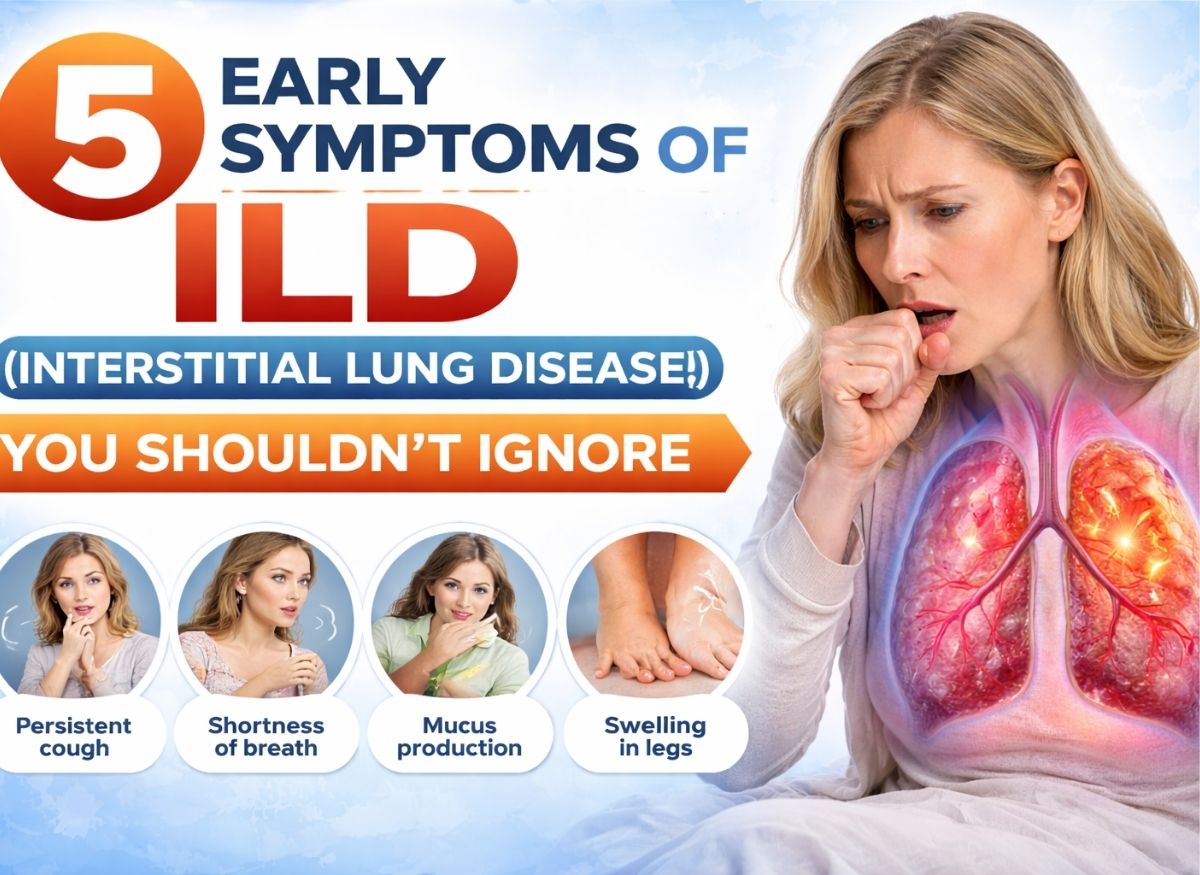
ILD (Interstitial Lung Disease) is a broad term used for a group of lung conditions that affect the tissue surrounding the air sacs. In many forms of ILD, inflammation and scarring make the lungs stiffer and interfere with the movement of oxygen into the bloodstream. Although some types are uncommon, ILD can significantly affect breathing and may cause permanent lung damage when it progresses.
One of the difficulties with Interstitial Lung Disease is that the early symptoms can be subtle. Shortness of breath, a persistent cough, and fatigue may initially be blamed on aging, lack of fitness, or another respiratory condition. Recognizing changes early is important because treatment may help slow disease progression and support a better quality of life. In this article, “5 Early Symptoms of ILD (Interstitial Lung Disease) You Shouldn’t Ignore,” we’ll look at the main warning signs, possible causes, diagnosis, and when to seek medical attention.
What is Interstitial Lung Disease (ILD)?
ILD is an umbrella term covering more than 200 different lung disorders. To understand the Interstitial Lung Disease definition, it helps to look at the interstitium, the thin tissue surrounding and supporting the lungs’ tiny air sacs, or alveoli.
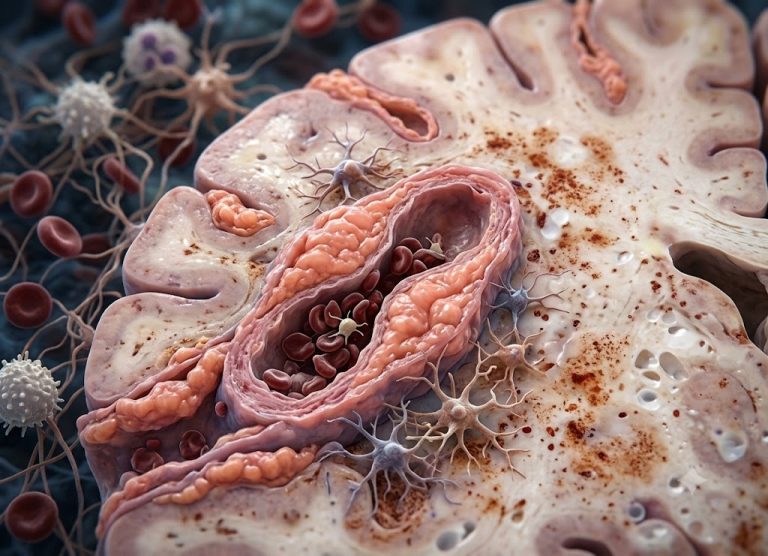
Healthy lung tissue is thin and flexible, allowing oxygen to move efficiently from the air sacs into the bloodstream. With ILD, inflammation, injury, or an abnormal healing response can cause this tissue to become thickened and scarred. This process is known as fibrosis.
Unlike conditions such as pneumonia or bronchitis, which often involve infection or inflammation of the airways, many forms of ILD primarily affect the lung tissue itself. As scarring develops, the lungs can become less flexible and harder to expand. This is why ILD is generally considered a restrictive lung disease.
How Interstitial Lung Disease Affects Lung Function
As ILD progresses, normal, flexible lung tissue can gradually become stiff and scarred. This affects both breathing and the ability of the lungs to transfer oxygen into the blood.
When the lungs lose their flexibility, the muscles involved in breathing have to work harder to move air in and out. This increased effort can contribute to breathlessness and fatigue.
Scarring can also thicken the barrier between the air sacs and nearby blood vessels. As a result, oxygen has more difficulty crossing into the bloodstream. The problem can become more noticeable during physical activity because the body needs more oxygen when exercising.
In more advanced disease, oxygen levels may become low even during rest. Severe oxygen impairment can place additional strain on the heart and other organs, which is why monitoring and appropriate treatment are important.
Is Interstitial Lung Disease Considered a Common Condition?
ILD is less widely recognized than conditions such as asthma or COPD, but it represents a significant group of chronic lung disorders. Because ILD includes many different diseases, there is no single number that accurately represents how common all forms are.
Some types, including Idiopathic Pulmonary Fibrosis (IPF), are relatively well studied. Other forms are associated with autoimmune diseases, medications, occupational exposures, or environmental factors.
One major challenge is delayed diagnosis. Early symptoms such as a dry cough and shortness of breath with activity can occur with many other conditions. Some people may assume they are simply getting older or becoming less physically fit.
Because certain types of ILD can progressively damage the lungs, recognizing persistent symptoms and investigating them early can make a meaningful difference in care.
5 Early Warning Signs of Interstitial Lung Disease
Early ILD can be difficult to recognize because symptoms may develop gradually. The lungs can compensate for changes for some time before breathing problems become obvious.
Knowing the common warning signs can help you recognize when a persistent change in your breathing or energy level deserves medical attention.
Exertional Shortness of Breath (Dyspnea)
Shortness of breath, also called dyspnea, is one of the most common symptoms of ILD.
In the early stages, breathlessness often appears during physical activity rather than while resting. You might notice that climbing stairs, walking uphill, carrying groceries, or doing household chores leaves you more winded than it used to.
This happens because scarred or inflamed lung tissue makes oxygen transfer less efficient. During exercise, the body’s oxygen requirements increase, making the underlying problem easier to notice.
Because this change can happen gradually, people sometimes assume that they are simply out of shape or getting older. A noticeable and persistent decline in exercise tolerance, however, should not automatically be dismissed.
The Chronic, Non-Productive “Dry” Cough
A persistent dry cough is another important symptom of ILD. Unlike a cough caused by a respiratory infection that produces mucus, an ILD-related cough is often non-productive.
People may describe it as a constant tickle, irritation, or hacking sensation that continues for weeks or months.
Inflammation and changes within the lung tissue can stimulate the cough reflex. The stiffening of the lungs may also contribute to ongoing irritation.
A persistent cough can have many causes, including allergies, asthma, acid reflux, medications, and infections. However, when a dry cough continues without an obvious explanation—particularly when it occurs along with breathlessness—it deserves medical evaluation.
Profound Fatigue and Systemic Weakness
Fatigue associated with ILD can be more than ordinary tiredness. Breathing becomes more physically demanding when the lungs are stiff, and the body may have to use more energy simply to maintain normal breathing.
If oxygen levels are reduced, muscles and other tissues may also have difficulty receiving the oxygen they need. This can contribute to weakness, reduced stamina, and exhaustion.
As a result, everyday activities that once felt easy may become increasingly tiring. Some people notice that they need more breaks throughout the day or have less energy for work, exercise, or household tasks.
Chest Discomfort and Joint Aching
Chest discomfort can occur with lung disease, although the lungs themselves do not contain pain receptors in the same way that many other tissues do. Tightness or a feeling of heaviness may also result from the increased effort required to breathe.
Joint and muscle symptoms can provide another important clue because ILD can occur alongside autoimmune and connective tissue diseases.
Rheumatoid arthritis, systemic sclerosis, Sjögren’s syndrome, and certain inflammatory muscle diseases can affect the lungs as well as other parts of the body. In some people, respiratory symptoms may appear before the underlying autoimmune condition is diagnosed.
For this reason, persistent breathing problems accompanied by unexplained joint pain, muscle weakness, skin changes, or other autoimmune symptoms should be discussed with a healthcare professional.
Finger Clubbing (Digital Clubbing)
Finger clubbing causes the ends of the fingers to become enlarged and the nails to curve more noticeably around the fingertips. It can occur with several lung conditions, including some forms of ILD, although it is not present in everyone with the disease.
A simple observation known as the Schamroth window test is sometimes used to look for clubbing. When the nails of the two index fingers are pressed together, a small diamond-shaped space is normally visible between them. The absence of this space may suggest clubbing.
Finger clubbing has several possible causes, so it should not be assumed to mean ILD by itself. If you notice a new change in the shape of your fingertips or nails, a healthcare professional can evaluate it properly.
Common Causes and Risk Factors for Interstitial Lung Disease
The causes of ILD vary considerably because the condition includes many different diseases. Some forms are linked to autoimmune disorders, while others result from occupational or environmental exposures, medications, radiation, or unknown factors.
Autoimmune Diseases: The Internal Trigger
A significant number of ILD cases occur alongside connective tissue and autoimmune diseases. These are often referred to as connective tissue disease-associated ILD (CTD-ILD).
In these conditions, abnormal immune activity can cause inflammation within the lungs. Over time, repeated or persistent inflammation may contribute to fibrosis and permanent changes in lung tissue.
Rheumatoid arthritis is one example. Although it is best known for affecting the joints, rheumatoid arthritis can also involve the lungs and may cause interstitial lung disease.
Other autoimmune conditions associated with ILD include:
- Scleroderma (Systemic Sclerosis): This condition can affect multiple organs, including the lungs, where interstitial lung disease is an important complication.
- Sjögren’s Syndrome: In addition to causing dry eyes and mouth, Sjögren’s can sometimes affect the lungs.
- Myositis (Polymyositis/Dermatomyositis): Certain inflammatory muscle diseases can also involve the lungs and may cause interstitial disease.
Environmental and Occupational Risk Factors
Long-term exposure to certain dusts, chemicals, molds, and other airborne substances can increase the risk of developing some forms of ILD.
The likelihood of developing an occupational lung disease can depend on the type, amount, and duration of exposure.
Inorganic Dusts (Pneumoconiosis)
Some mineral particles can become trapped in the lungs and cause long-term inflammation and scarring.
- Asbestos Fibers: Long-term exposure can cause asbestosis and other serious lung diseases.
- Silica Dust: Workers exposed to respirable silica can develop silicosis.
- Coal Dust: Prolonged exposure can contribute to coal workers’ pneumoconiosis, commonly known as Black Lung.
Organic Dusts (Hypersensitivity Pneumonitis)
Some forms of ILD develop after repeated exposure to organic materials that trigger an immune response in the lungs.
Examples include moldy hay, bird proteins, and other environmental materials. This type of condition is known as hypersensitivity pneumonitis.
Identifying and avoiding the triggering exposure may help prevent further lung injury, although chronic exposure can sometimes lead to permanent fibrosis.
Iatrogenic Causes (Medical Treatments)
Certain medications and medical treatments can occasionally cause lung inflammation or injury.
Examples include some chemotherapy drugs, amiodarone, methotrexate, and other medications with known pulmonary side effects. Radiation therapy involving the chest can also cause lung injury and, in some cases, later fibrosis.
Anyone taking a medication known to affect the lungs should not stop treatment on their own. A healthcare professional can determine whether a medication may be contributing to respiratory symptoms and discuss appropriate alternatives if necessary.
When Should You See a Doctor about Potential Interstitial Lung Disease Symptoms?
Persistent changes in breathing should not be ignored, especially when they occur alongside a chronic dry cough or declining exercise tolerance.
Because ILD can progress gradually, waiting until breathing problems become severe may delay diagnosis and treatment.
When to Seek a Medical Evaluation for ILD
Consider making a medical appointment if you develop persistent shortness of breath, especially during activities that previously felt comfortable.
A chronic dry cough that does not go away is another reason to seek evaluation. These symptoms do not necessarily mean you have ILD, but they can occur with several conditions that require different treatments.
During an examination, a doctor may listen to the lungs for abnormal sounds, including fine crackles that can occur with interstitial lung disease. Additional testing may be recommended based on the findings.
If breathlessness is severe, develops suddenly, or occurs with chest pain, fainting, bluish lips, or severe weakness, urgent medical attention is appropriate.
Preparing for Your Diagnostic Appointment
A detailed medical and exposure history can be extremely helpful when doctors are investigating possible ILD. Because there are many forms of the disease, information about your environment, work, medications, and other health conditions can help narrow down the possibilities.
Consider preparing:
- The “Work History” Timeline: Include previous occupations and any known exposure to asbestos, silica, coal dust, chemicals, or other respiratory hazards.
- The Autoimmune Connection: Tell your doctor about rheumatoid arthritis, scleroderma, Sjögren’s syndrome, muscle inflammation, or other autoimmune conditions affecting you or your family.
- Environmental & Hobby Audit: Mention exposure to birds, mold, farming environments, hot tubs, or other potential respiratory triggers.
- Medication Review: Bring a list of current and previous medications, including chemotherapy drugs and medications known to have possible lung-related side effects.
What Questions Should You Ask Your Doctor About a Potential ILD Diagnosis?
A possible ILD diagnosis can involve several tests and may take time to determine the specific cause. Asking clear questions can help you understand why certain tests are being recommended and what the results mean.
Clarifying the Diagnostic “Detective Work”
You can ask your doctor:
“Based on my symptoms, what conditions are you considering, and why is ILD one of them?”
You can also ask how your symptoms compare with other possible causes of shortness of breath and chronic cough, such as asthma, COPD, heart disease, or acid reflux.
Another useful question is:
“What will a High-Resolution CT (HRCT) show that a standard chest X-ray may not?”
You may also want to ask about pulmonary function tests and how they measure lung capacity and oxygen transfer.
Understanding the purpose of each test can make the diagnostic process easier to follow.
Planning for Specialized Care and Long-Term Management
Because ILD includes many different conditions, some people may benefit from evaluation by a pulmonologist with experience in interstitial lung disease.
If an autoimmune condition is suspected, consultation with a rheumatologist may also be appropriate. In complex cases, several specialists may work together to determine the most likely diagnosis and treatment approach.
Questions you may want to discuss include:
- Should I see an ILD specialist or pulmonologist?
- What type of ILD is being considered?
- Could an autoimmune disease or medication be contributing?
- What treatments are available if ILD is confirmed?
- Will I need oxygen therapy?
- How often should my lung function be monitored?
- What activities or lifestyle changes are appropriate for me?
These questions can help you understand both the immediate evaluation and the possible long-term management plan.
How is Interstitial Lung Disease Diagnosed and Differentiated?
Diagnosing ILD can be complicated because many different diseases produce similar symptoms. Doctors must determine whether the problem is actually ILD and, if so, which specific type is responsible.
The evaluation usually combines a medical history, physical examination, imaging, lung function testing, blood tests, and sometimes additional procedures.
Advanced Diagnostic Tools for ILD
Because ILD affects the lung tissue itself, detailed testing is often necessary.
High-Resolution CT (HRCT): A high-resolution CT scan provides detailed images of the lungs and can reveal patterns of inflammation, fibrosis, or other structural changes that may not be visible on a standard X-ray.
Pulmonary Function Tests (PFTs): These tests measure how much air the lungs can hold and how efficiently oxygen moves into the bloodstream. ILD commonly produces a restrictive pattern, although results can vary depending on the specific disease and stage.
Bronchoscopy and Biopsy: In selected cases, doctors may use bronchoscopy to collect samples from the lungs. A lung biopsy may occasionally be considered when imaging and other tests do not provide enough information to establish a diagnosis. Because biopsy procedures carry risks, they are not required for every patient.
The Main Categories of ILD
The more than 200 disorders included under the ILD umbrella can be grouped into several broad categories.
- Known Associations: These include ILD related to autoimmune diseases, occupational exposures, environmental triggers, medications, or radiation.
- Idiopathic Interstitial Pneumonias (IIPs): These are conditions in which a specific cause cannot be identified. Idiopathic Pulmonary Fibrosis (IPF) is one of the best-known examples.
- Granulomatous Disease: Conditions such as sarcoidosis can produce inflammation and granulomas within the lungs and may affect the interstitial tissue.
Identifying the specific category is important because treatment varies significantly between different forms of ILD.
ILD vs. COPD: Understanding the Differences
ILD and COPD can both cause shortness of breath, but they affect the lungs in different ways.
ILD is a Restrictive Disease: ILD commonly makes the lungs stiff, reducing their ability to expand normally. Scarring can also interfere with oxygen transfer from the air sacs into the bloodstream. A dry cough is common in many forms of ILD.
COPD is an Obstructive Disease: COPD primarily involves airflow limitation. Conditions such as chronic bronchitis and emphysema can make it difficult to move air out of the lungs efficiently. Smoking is a major risk factor, although other exposures can contribute as well.
Because symptoms can overlap, medical testing is necessary to distinguish between ILD, COPD, and other causes of breathing problems.
Conclusion
ILD (Interstitial Lung Disease) includes a large group of lung conditions that can cause inflammation, scarring, stiffness, and impaired oxygen transfer. Early symptoms may be easy to overlook, particularly when they develop slowly.
Persistent shortness of breath during activity, a chronic dry cough, unusual fatigue, chest discomfort, or changes such as finger clubbing can all warrant medical attention. These symptoms do not automatically mean that ILD is present, but they should be evaluated when they persist or interfere with everyday life.
Treatment depends on the specific type and cause of ILD. Depending on the condition, management may include medications, avoiding harmful exposures, pulmonary rehabilitation, supplemental oxygen, or other specialized treatments.
Recognizing changes early and seeking appropriate medical evaluation can help identify the cause and provide an opportunity for timely management.
Frequently Asked Questions (FAQ) About ILD (Interstitial Lung Disease)
What causes ILD (Interstitial Lung Disease)?
ILD has many possible causes. It can be associated with autoimmune diseases, long-term exposure to substances such as asbestos or silica, certain medications, radiation therapy, environmental exposures, and other lung injuries. In some cases, doctors cannot identify a specific cause. These cases are described as idiopathic interstitial lung diseases, including idiopathic pulmonary fibrosis.
What are the early symptoms of ILD?
Common early symptoms can include:
- Shortness of breath, particularly during physical activity
- A persistent dry cough
- Unusual fatigue or reduced stamina
- Chest discomfort or tightness
- Reduced ability to perform normal activities
Symptoms often develop gradually, so they may initially be mistaken for aging, lack of fitness, or another respiratory problem.
How is ILD diagnosed?
Doctors generally use several pieces of information to diagnose ILD. This may include your medical and exposure history, a physical examination, chest imaging such as an X-ray or high-resolution CT scan, pulmonary function tests, blood tests, and, in selected cases, bronchoscopy or a biopsy.
The exact testing depends on your symptoms and the type of ILD being considered.
Is there a cure for ILD?
There is no single cure for all forms of ILD because ILD represents many different diseases. Some forms can be treated by addressing the underlying cause, while others require long-term management to slow progression and control symptoms.
Depending on the specific condition, treatment may include medications, oxygen therapy, pulmonary rehabilitation, avoiding harmful exposures, or lung transplantation in selected people with advanced disease.
How is ILD different from COPD (Chronic Obstructive Pulmonary Disease)?
ILD and COPD both affect breathing, but the underlying problems are different. ILD generally involves inflammation and/or scarring of the lung tissue, which can make the lungs stiff and interfere with oxygen transfer.
COPD primarily causes persistent airflow limitation due to changes in the airways and/or destruction of lung tissue, as seen in emphysema. Smoking is a major COPD risk factor, although it is not the only one.
Because the symptoms can overlap, medical testing is needed to determine which condition is responsible.
Can ILD be prevented?
Not every form of ILD can be prevented, particularly when the cause is unknown or related to an underlying autoimmune condition. However, reducing exposure to known lung hazards can lower the risk of certain types.
Using appropriate protection when working around asbestos, silica, dust, chemicals, mold, or other respiratory irritants is important. Avoiding smoking and managing underlying autoimmune conditions with appropriate medical care can also support overall lung health.
If you develop persistent shortness of breath or a chronic cough, seeking medical evaluation can help identify potential problems as early as possible.