
12 Anal Fistula Symptoms & Warning Signs

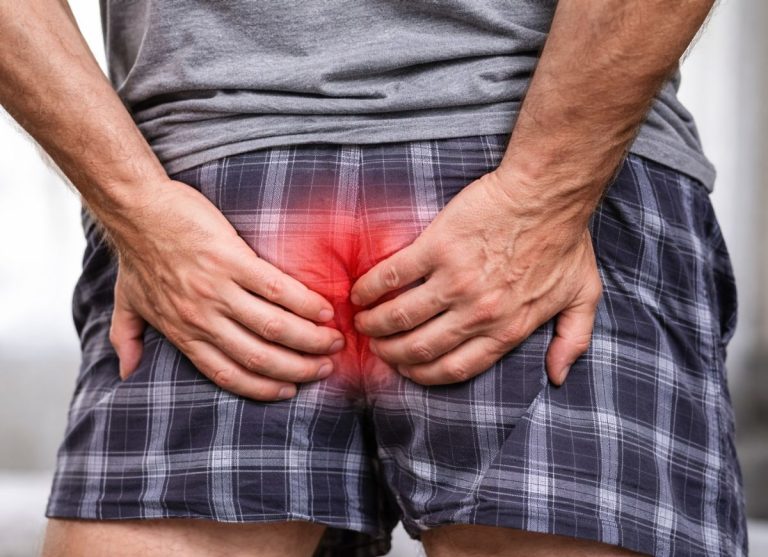
An anal fistula is a condition that may cause ongoing pain, irritation, and discomfort around the anus. However, many people overlook the early symptoms because they may initially seem mild. An anal fistula is an unusual tunnel that develops between the inside of the anus or rectum and the skin near the anus. It often develops when an infection or anal abscess does not heal properly. Without appropriate treatment, the fistula can continue to cause repeated symptoms and interfere with everyday comfort.
Recognizing the warning signs early is important because an anal fistula generally does not heal completely without treatment. Some symptoms, such as a painful lump or drainage near the anus, may be easy to notice, while others can resemble hemorrhoids, skin irritation, or digestive problems. Knowing the possible signs can help you understand when medical attention may be necessary.
Common symptoms include ongoing pain, swelling, redness, itching, unusual drainage, and repeated inflammation around the anal area. Fever and general discomfort may also occur when an infection is present. In some cases, symptoms temporarily improve after an abscess drains, but the fistula can remain and cause additional flare-ups.
Anal fistulas are commonly associated with anal abscesses, although they can also develop from conditions that cause long-term inflammation in the digestive system, including Crohn’s disease. Previous infections, injuries, and chronic inflammation may also increase the risk.
In this article, we will discuss 12 anal fistula symptoms and warning signs, explain why they occur, describe possible causes, and discuss why getting medical attention early can be important.
12 Key Symptoms of an Anal Fistula
Swelling and Redness
The skin surrounding the external opening of a fistula may become swollen, firm, and red. This usually reflects inflammation caused by an infection beneath the skin. Sometimes, the affected area may feel like a small, firm lump.
Tenderness
The area around an anal fistula can become extremely sensitive to touch. This may make cleaning after a bowel movement uncomfortable or painful and can make tight clothing difficult to tolerate. The tenderness is often related to inflammation in the skin and tissues around the fistula.
Skin Irritation
Repeated drainage of pus, fluid, mucus, or stool-like material from the fistula opening can irritate the surrounding skin. This may cause itching, soreness, redness, and skin breakdown. In some cases, continued irritation can also contribute to a secondary skin infection.
Pus Drainage
Pus is one of the most common types of drainage associated with an anal fistula. It may appear as a slow and continuous discharge or may come out in larger amounts when an abscess has collected and then drains. When the accumulated pus is released, the pressure often decreases and the pain may temporarily improve.
Bloody Discharge (Sanguineous or Serosanguineous)
Sometimes, the discharge from a fistula can contain blood, creating a pink or reddish appearance. This can happen because the inflamed fistula tract contains delicate tissue that can bleed easily. Passing stool or engaging in physical activity may sometimes contribute to minor bleeding. Larger amounts of bright red blood are less typical.
Intermittent vs. Constant Drainage
Fistula drainage does not always happen continuously. At times, the external opening may temporarily close or become blocked, causing fluid and infection to build up inside the tract. This can result in increased swelling and pain as a small abscess develops. Once pressure builds enough, the opening may reopen and release pus or fluid, often bringing temporary relief. This repeated cycle of swelling, pain, drainage, and relief is a common pattern with anal fistulas.
Blocked Fistula Tract
When the external fistula opening becomes blocked, infected fluid and pus can become trapped inside. The buildup may form a painful abscess and create increasing pressure in the affected area. As the infection becomes more severe, symptoms such as fever, chills, and significant tiredness may develop.
Sepsis
A large or untreated abscess associated with an anal fistula can allow an infection to spread throughout the body. This can lead to sepsis, which is a serious medical emergency. Possible warning signs include a high fever, rapid heartbeat, confusion, very low blood pressure, or a rapidly worsening feeling of illness. Anyone experiencing these symptoms should receive urgent medical evaluation.
General Malaise and Fatigue
A fistula involving ongoing low-level infection and inflammation can leave the body constantly working to control the problem. As a result, some people may experience continuing tiredness, low energy, or a general feeling of being unwell. These symptoms can affect quality of life even when pain and drainage are relatively manageable.
Bowel Pain and Spasm
Bowel movements can become painful when stool passes over inflamed tissue around the anal canal or the internal opening of a fistula. The irritation may also cause the anal sphincter muscles to tighten involuntarily. This muscle spasm can make the discomfort stronger and may cause pain to continue for some time after a bowel movement.
Constipation
Fear of experiencing pain can cause some people to delay or avoid bowel movements. This can contribute to constipation and make passing stool more difficult. Straining during bowel movements increases pressure around the anal area and may worsen other problems such as hemorrhoids. Keeping stools soft through adequate fluids, fiber, and appropriate stool-softening measures may help manage symptoms while awaiting definitive treatment.
Incontinence
Although less common, a complex or high anal fistula can pass through a significant amount of the anal sphincter muscle and affect its function. This may result in fecal incontinence, meaning difficulty controlling gas, liquid stool, or solid bowel movements.
This possibility is particularly important when surgery is being considered. The surgeon needs to treat the fistula while protecting the sphincter muscles and reducing the risk of lasting continence problems. For this reason, evaluation and treatment by an experienced colorectal specialist are important.
What Exactly is an Anal Fistula?
An anal fistula is an abnormal tunnel connecting an infected gland inside the anal canal with an opening on the skin around the anus. It commonly develops after an anal abscess fails to heal completely. You can think of it as a persistent pathway that the body creates to allow an infection to drain.
The tunnel generally has two openings. One is the internal opening inside the anal canal, while the other is an external opening on the skin near the anus.
Because the tract remains open, infection and drainage can continue, making it difficult for the area to heal completely. An anal fistula is usually the result of a previous anal abscess and generally requires medical or surgical treatment to resolve permanently.
How to Define Anal Fistula?
Medically, an anal fistula, also called a fistula-in-ano, is a chronic abnormal tract that connects an internal opening in the anal canal with an external opening on the skin around the anus. Several important features are included in this definition.
The term “epithelialized” refers to the development of a cellular lining within the tract. This lining can prevent the tunnel from naturally closing and helps explain why antibiotics alone usually do not eliminate an established fistula.
The internal opening is commonly found near the dentate line, where the anal glands, also known as the crypts of Morgagni, drain. Infection in one of these glands, known as a cryptoglandular infection, is a common starting point for an anal fistula.
Fistulas are also categorized according to how their tract travels in relation to the internal and external anal sphincter muscles. Parks’ classification divides them into four major types: intersphincteric, transsphincteric, suprasphincteric, and extrasphincteric fistulas. This classification is useful because it helps doctors understand the complexity of the fistula and plan treatment while protecting sphincter function.
The fistula tract itself may be simple and relatively straight, or it may become complicated with several branches and external openings. The degree of complexity can depend on how the original abscess spread through the surrounding tissues.
Doctors may also use a general guideline called Goodsall’s rule to estimate the likely route of a fistula based on where its external opening is located. When the opening is in the anterior half of the anus, the tract often follows a relatively straight route toward the anal canal.
When the opening is located toward the posterior side, the tract is more likely to curve toward an internal opening in the posterior midline. This guideline can assist with the initial assessment and surgical planning, although individual fistulas can vary.
Fistula Forming From an Anal Abscess
An anal fistula often develops when an anal abscess, which is a painful collection of pus near the anus, drains on its own or is surgically opened but does not completely heal. A persistent tunnel may remain behind after the infection has drained.
The process commonly begins with the small anal glands inside the anal canal. These glands are located between the internal and external anal sphincter muscles and produce mucus that helps with bowel movements. Most fistulas develop through a sequence of events that begins when one of these gland ducts becomes blocked.
The blockage may occur because of thick mucus, stool, or other material. Once the gland cannot drain normally, bacteria that naturally exist in the anal canal can multiply inside the blocked area.
The infection then triggers the body’s immune response. White blood cells move into the area to fight the infection, and the combination of bacteria, dead cells, and fluid forms pus. This creates a painful and swollen collection known as an anal abscess.
As the amount of pus increases, pressure builds inside the abscess. The infection may then move through nearby tissues in search of a way to drain. It can create a tunnel through or around the sphincter muscles before reaching the skin near the anus.
When the abscess breaks through the skin, the pus drains and the pressure often decreases, providing noticeable pain relief. This opening can become the external opening of a fistula. In other situations, a doctor may drain the abscess through a surgical incision.
In a substantial number of cases after an anal abscess drains, the newly formed tunnel does not close completely. Instead, it becomes an established fistula tract. The internal opening remains connected to the original infected gland, while the external opening remains at the point where the abscess drained through the skin.
Over time, the tract can develop a lining of granulation tissue and epithelial cells, allowing it to persist as a chronic channel. It may then continue to drain periodically and become inflamed again when the gland becomes infected.
Primary Causes and Risk Factors for an Anal Fistula
The main cause of an anal fistula is usually an infected anal gland that develops into an abscess. However, other conditions can also increase the risk, including inflammatory bowel diseases such as Crohn’s disease, diverticulitis, trauma, and certain infections.
Most anal fistulas are considered cryptoglandular, meaning they begin with an infection in one of the anal glands. Other fistulas may develop because of chronic inflammation, tissue damage, or another underlying condition.
When a fistula is complicated, recurrent, or unusual, doctors may investigate whether another medical condition is contributing to its development. Identifying and treating the underlying problem can be important for successful management.
The Most Common Cause of an Anal Fistula
The most common cause of an anal fistula is an infection that starts in an anal gland and leads to an anal abscess. This process is commonly referred to as the cryptoglandular pathway.
The anal canal contains several small glands located around the dentate line. These glands release mucus that helps lubricate the anal canal and make stool passage easier.
The process generally starts when the duct of one of these glands becomes blocked. The blockage may result from stool, debris, or thick glandular secretions. Once normal drainage is interrupted, bacteria that naturally live in the digestive tract can multiply.
The infection causes the immune system to respond by sending white blood cells to the affected area. Pus made up of bacteria, dead cells, and fluid then accumulates and forms an abscess.
As the abscess becomes larger, pressure increases and can cause significant throbbing pain. The infection may eventually create a path through nearby tissue until it reaches the skin around the anus.
When the abscess drains naturally or is opened by a healthcare professional, a tunnel may remain between the original infected gland and the skin. In many patients, this tunnel does not heal and instead becomes a chronic fistula.
The persistent tract can continue to drain and may repeatedly become infected, resulting in additional abscesses until the fistula receives appropriate treatment.
Other Medical Conditions to Increase The Risk of An Anal Fistula
Several medical conditions can raise the risk of developing an anal fistula in addition to the common infection of an anal gland. One of the most important is inflammatory bowel disease, particularly Crohn’s disease.
Fistulas associated with underlying conditions may behave differently from typical cryptoglandular fistulas. They may be more complex, return more often, or require a different treatment approach. Identifying the underlying condition is therefore an important part of management.
For people with Crohn’s disease, controlling intestinal inflammation with appropriate medical treatment may be an important part of managing a fistula. If the underlying inflammation remains active, healing may be more difficult.
Diverticulitis is another possible cause of fistula formation. It occurs when small pouches in the intestinal wall become inflamed or infected. In severe cases, an infected diverticulum can rupture, form an abscess, and create an abnormal connection with nearby structures.
Previous radiation treatment for pelvic cancers, including cancers involving the rectum, prostate, or cervix, can also increase the risk of tissue damage and impaired healing. These changes may contribute to fistula formation.
Certain sexually transmitted infections, including chlamydia, syphilis, and lymphogranuloma venereum (LGV), can cause inflammation in the anorectal area and may contribute to abscess or fistula development.
Trauma to the anal area can also play a role. Injuries during childbirth, particularly severe tears, as well as complications following anal surgery, can sometimes create conditions that allow fistulas to form.
Less common causes include chronic infections such as tuberculosis and actinomycosis. Cancer involving the anus or rectum can also occasionally present with a persistent ulcer or fistula. Hidradenitis suppurativa, a chronic skin condition associated with recurrent abscesses and scarring, may also affect the area around the anus.
When to Seek Medical Help?
You should contact a healthcare professional if you develop persistent anal pain, swelling, or drainage. These symptoms may indicate an anal fistula or another condition that needs proper diagnosis and treatment.
Anal fistulas generally do not disappear on their own. Ignoring the symptoms or relying only on self-treatment can allow the infection to continue and may increase the chance of complications. Early evaluation allows a healthcare professional to determine the cause and recommend an appropriate treatment plan.
A doctor can also distinguish an anal fistula from conditions that may produce similar symptoms, including hemorrhoids, anal fissures, and skin infections. Delaying treatment can sometimes allow a fistula to become more complicated, develop additional branches, or cause recurring abscesses.
Any persistent sore, swelling, or draining opening near the anus should therefore be evaluated by a medical professional, particularly when symptoms repeatedly return.
Are Anal Fistula Symptoms a Medical Emergency?
An anal fistula itself is usually a chronic condition rather than an immediate life-threatening emergency. However, complications such as a blocked fistula and developing abscess can require urgent medical attention.
If the external opening becomes blocked, infected fluid can become trapped inside. This can cause an abscess to develop quickly, resulting in severe pain, swelling, and tenderness. An acute abscess may make it difficult to sit, walk, or have a bowel movement.
Sudden severe or throbbing anal pain combined with a hard, red, tender swelling and fever may indicate an acute abscess. Medical attention should be sought promptly because an abscess often requires drainage to control the infection and relieve pressure.
If an infection spreads into the bloodstream, sepsis can occur. Warning signs may include a high or unusually low body temperature, shaking chills, rapid heartbeat, rapid breathing, confusion, or a severe feeling of illness. These symptoms require emergency medical attention.
Even without signs of sepsis, extremely severe pain that prevents normal daily activities, urination, or bowel movements should be assessed urgently. Although a fistula can be a long-term condition, a blocked tract can develop into an acute abscess and should not be ignored.
What Kind of Doctor to Consult for This Condition?
If you suspect an anal fistula, you can begin by seeing your primary care physician or general practitioner. They can review your symptoms, perform an initial examination, and determine whether you need to see a specialist.
When a fistula is suspected, you may be referred to a colorectal surgeon or proctologist. These specialists have specific training in conditions affecting the colon, rectum, and anus and can provide more advanced evaluation and treatment.
A primary care doctor can assess your symptoms, recommend initial measures for comfort, and determine whether an infection requires further treatment. Most importantly, they can help connect you with the appropriate specialist.
A colorectal surgeon or proctologist can perform detailed examinations and use diagnostic procedures such as examination under anesthesia, anoscopy, MRI, or endoscopic ultrasound when needed.
These specialists can also perform procedures used to treat anal fistulas. Treatment aims to eliminate the abnormal tract, reduce the chance of recurrence, and protect the anal sphincter muscles so that bowel control is preserved.
Anal Fistula Diagnosis
Diagnosing an anal fistula usually starts with a detailed medical history and physical examination. A doctor will inspect the skin around the anus for an external opening, swelling, redness, or drainage.
A digital rectal examination may then be performed to assess the anal canal and look for signs of an internal opening or fistula tract. An anoscope or proctoscope may also be used to examine the inside of the anal canal.
Imaging can be particularly helpful when the fistula is complicated or its pathway is difficult to identify. MRI of the pelvis provides detailed images of soft tissues and can help doctors locate the primary tract, secondary branches, and hidden abscesses without exposing the patient to radiation.
Endoanal or endorectal ultrasound (ERUS) uses a small ultrasound device inserted into the anus. It can help visualize the anal sphincter muscles and determine how the fistula relates to these structures.
For more complicated cases, a surgeon may perform an Examination Under Anesthesia (EUA). Because the patient is under anesthesia, the surgeon can carefully examine and probe the tract without causing discomfort. Imaging and treatment may sometimes be performed during the same procedure.
Different Types of Anal Fistulas
Anal fistulas are categorized according to the route they take in relation to the internal and external anal sphincter muscles. This is important because the location of the tract affects treatment decisions and the risk of affecting bowel control.
The Parks’ classification system divides anal fistulas into four major categories. These include intersphincteric, transsphincteric, suprasphincteric, and extrasphincteric fistulas. The classification helps doctors understand the complexity of the fistula and choose an approach that treats the tract while protecting as much sphincter muscle as possible.
The exact pathway of the fistula determines its classification and can influence how complicated treatment may be.
Intersphincteric Fistula is the most common type. The tract passes through the internal sphincter and then travels within the space between the internal and external sphincter muscles before reaching the skin.
Transsphincteric Fistula passes through both the internal and external sphincter muscles before reaching the skin. These fistulas may be classified as low or high depending on how much of the sphincter complex they cross. Higher fistulas can be more challenging to treat while preserving continence.
Suprasphincteric and Extrasphincteric Fistulas are less common and generally more complex. A suprasphincteric fistula travels upward and around the sphincter complex, while an extrasphincteric fistula travels outside the sphincter mechanism and may connect the rectum directly with the skin. These types may be associated with conditions such as Crohn’s disease or previous trauma.
Potential Complications If An Anal Fistula is not Treated
An untreated anal fistula can lead to ongoing infection, repeated abscesses, discomfort, and increasingly complicated disease. Because the tract can remain a pathway for infection, symptoms may continue or return over time.
One of the most common problems is repeated abscess formation. The infected gland responsible for the original fistula can continue producing infection and pus, leading to recurring painful collections that may require repeated drainage.
Over time, a fistula can also develop additional branches and secondary openings. In some cases, several connected tracts may form around the anus, sometimes producing what is known as a horseshoe fistula. Such complex fistulas can be more difficult to treat.
Long-term inflammation and repeated infection may also affect the surrounding tissues and, in complicated cases, the anal sphincter muscles. As the fistula becomes more extensive, treatment may become more involved and may carry greater concerns regarding continence.
Very rarely, a fistula that has remained for many years may undergo malignant changes. Chronic inflammation within a longstanding fistula has been associated with a small risk of developing cancer, including adenocarcinoma.
Anal Fistula vs. A Hemorrhoid or An Anal Fissure
Anal fistulas, hemorrhoids, and anal fissures can all affect the anorectal area and may cause symptoms such as pain or bleeding. However, they are different conditions with different causes and treatments.
An anal fistula is an abnormal tunnel commonly associated with infection. Hemorrhoids involve swollen blood vessels, while an anal fissure is a tear in the lining of the anal canal. Correctly identifying the condition is important because each requires a different management approach.
Specifically, anal fistula is an abnormal infected tunnel that connects the anal canal with the skin around the anus. It often develops after an anal gland becomes blocked and infected. Typical symptoms include recurring pain or swelling, drainage that may contain pus or fluid, and a small external opening near the anus.
Hemorrhoid is a swollen blood vessel in the lower rectum or anus. It can develop due to increased pressure in the area, which may occur with straining, pregnancy, or long-term constipation.
Its symptoms can include bright red bleeding during bowel movements, itching, irritation, or a lump around the anus. Hemorrhoids are often painless unless a blood clot develops inside them, causing a thrombosed hemorrhoid.
Next, anal fissure is a small tear in the delicate lining of the anal canal. It commonly develops after passing hard or dry stool and can cause intense pain.
Typical fissure symptoms include sharp or tearing pain during and after bowel movements, sometimes lasting for hours. A small amount of bright red blood may also appear on toilet paper or on the surface of the stool.
FAQs
1. Is a fistula a serious problem?
An anal fistula can become a significant health problem when it is not treated. It may begin with mild symptoms but can lead to recurring infections, drainage, irritation, and pain. Medical evaluation is important because an established fistula usually does not close completely without appropriate treatment.
2. Is a fistula painful?
Yes, an anal fistula can cause pain, particularly when there is an active infection or abscess. Discomfort may become worse while sitting, during bowel movements, or when the area becomes swollen. In some people, pain may come and go depending on whether the fistula is draining.
3. How long can a person live with a fistula?
A person may live with an anal fistula for a long period, but leaving it untreated can result in continuing symptoms and repeated complications. Some fistulas may cause infections, drainage, or discomfort for months or even years. Proper diagnosis and treatment can help reduce these ongoing problems.
4. Can a fistula drain poop?
An anal fistula can sometimes produce drainage containing fluid, pus, blood, or mucus through the opening near the anus. If the tract has a direct connection with the rectum or anal canal, stool-like material may occasionally be present. Any unusual drainage should be checked by a healthcare professional.
5. Can a fistula go away naturally?
Most established anal fistulas do not heal naturally because the abnormal tunnel between the anal canal and the skin can remain open. An abscess may drain and temporarily reduce symptoms, but the fistula itself often needs medical treatment to resolve.
6. What is the first stage of a fistula?
An anal fistula often begins with an infection that leads to an anal abscess. A painful and swollen area may appear around the anus. After the abscess drains, an opening may remain and develop into a persistent fistula tract. Early medical assessment can help identify the problem and reduce complications.
7. What is the main cause of fistula?
The most common cause of an anal fistula is an anal abscess resulting from an infected gland near the anus. Other possible causes include inflammatory bowel diseases such as Crohn’s disease, certain infections, trauma, and previous procedures involving the anal area.
Conclusion
Anal fistula symptoms can vary from mild irritation to ongoing pain, swelling, and drainage. Recognizing these warning signs early can help reduce prolonged discomfort and the risk of complications. Although symptoms may sometimes improve temporarily, an established anal fistula generally does not disappear without appropriate medical care.
Knowing the common causes and symptoms can help you recognize when professional attention may be needed. Persistent drainage, recurring swelling, or repeated pain around the anus should not be ignored, particularly when symptoms continue or repeatedly return.
With proper diagnosis and appropriate treatment, many people are able to manage and resolve an anal fistula successfully. Seeking medical advice when symptoms first appear can help identify the condition, guide treatment, and support better long-term recovery.