
Chronic Kidney Disease: Symptoms, Causes, and What You Need to Know
It usually starts with something minor. You feel more worn out than normal, your sleep leaves you less rested, or your body seems a little heavier by evening. These shifts are easy to wave away, and many people chalk them up to getting older, stress, or a hectic schedule.
For some people, though, these quiet signals may be early signs of chronic kidney disease (CKD). Unlike many other conditions, CKD creeps in slowly and steadily. The kidneys can lose a large share of their function before any clear symptoms show up, which is why it is often called a “silent disease.”
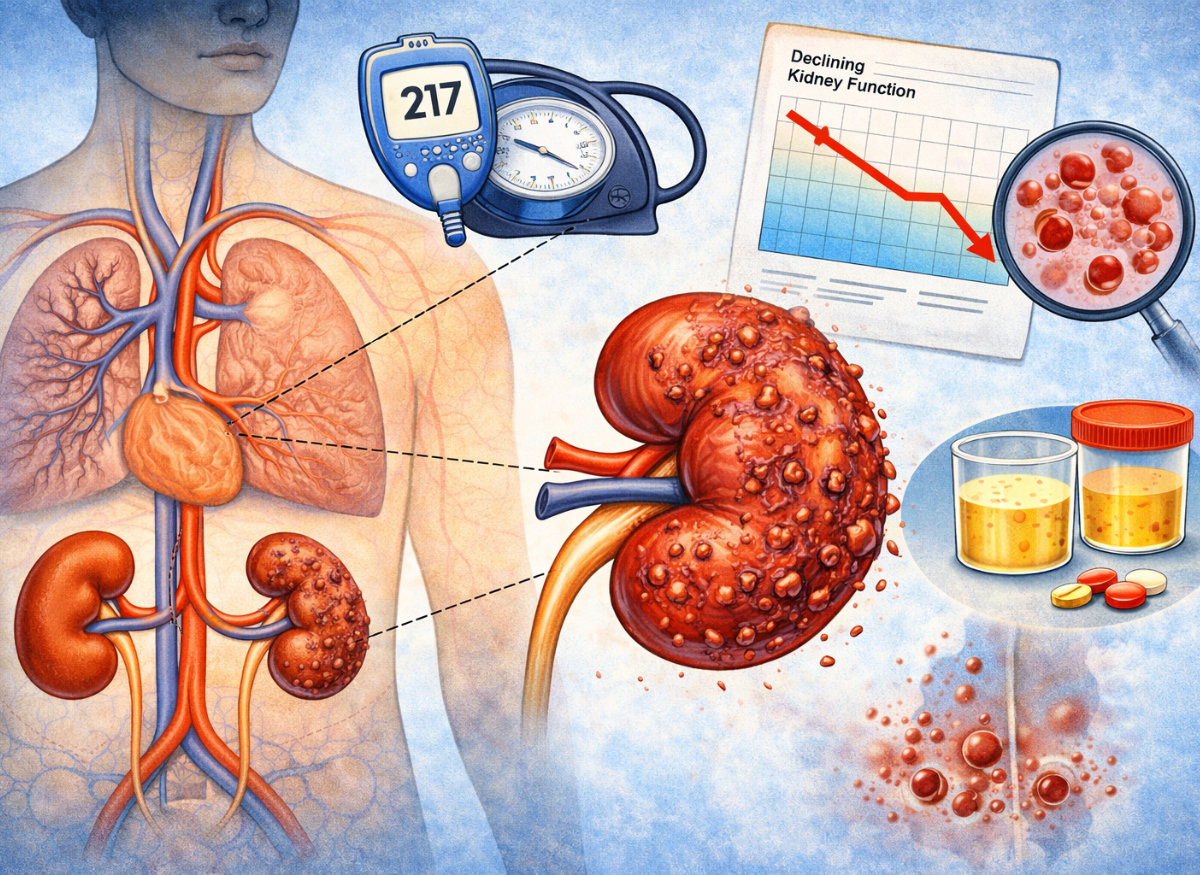
Your kidneys do far more than filter waste. They help control blood pressure, keep fluids balanced, and support your overall metabolic health. When kidney function falls, the effects reach the whole body.
This guide explains what kidney disease is, what damages the kidneys, how symptoms develop over time, and what you can do to manage the condition or slow it down.
What Is Chronic Kidney Disease?
Chronic kidney disease (CKD), also called chronic renal failure, is a long-term condition in which the kidneys slowly lose their ability to work properly.
Healthy kidneys remove waste products and excess fluid from the blood, which leave the body in urine. They also help regulate electrolytes, blood pressure, and the production of red blood cells.
In CKD, this filtering system grows less efficient. Waste and toxins build up in the bloodstream, and the body can no longer keep its internal balance.
CKD is divided into five stages according to kidney function. In the early stages, damage may be present with few or no symptoms. As the disease advances, function drops further and can eventually lead to kidney failure if it isn’t managed well.
What Causes Kidney Disease?
CKD develops when the kidneys suffer long-term damage that gradually reduces how well they work. Usually this damage doesn’t happen all at once but accumulates over time because of underlying health conditions or repeated stress on the kidneys.
Diabetes is the most common cause. High blood sugar harms the tiny blood vessels in the kidneys, making it harder for them to filter waste. Over time this leads to diabetic nephropathy, a leading cause of CKD worldwide.
High blood pressure is another major cause. When blood pressure stays high for a long period, it keeps straining the kidneys’ blood vessels. Blood flow falls, kidney tissue is gradually damaged, and function declines.
Other conditions can also contribute:
- Autoimmune diseases such as lupus can make the immune system attack kidney tissue directly.
- Chronic infections, especially repeated urinary tract infections, can cause lasting damage if not properly treated.
- Certain medications. Long-term use of pain relievers, particularly nonsteroidal anti-inflammatory drugs (NSAIDs), may reduce blood flow to the kidneys and harm them over time. Some antibiotics and the contrast dyes used in imaging tests can also affect kidney function in sensitive people.
- Structural problems in the urinary system. Blockages from kidney stones, an enlarged prostate, or other causes can stop urine from flowing normally, raising pressure in the kidneys and damaging them.
- Genetic conditions such as polycystic kidney disease, in which fluid-filled cysts form in the kidneys and gradually impair their function.
Knowing the causes matters because many of these factors can be controlled. Managing risk factors early can significantly lower the chance of developing chronic kidney damage.
Symptoms of Chronic Kidney Disease
CKD symptoms usually appear slowly and can be hard to recognize early on. Many people notice nothing until kidney function has dropped considerably.
Early Symptoms That Are Easy to Miss
At first, symptoms are subtle and may not seem serious. You might feel more tired than usual or notice a general lack of energy through the day. This fatigue stems from waste products building up in the blood.
Changes in urination are often among the first signs. Some people go more often, especially at night, while others notice darker or foamy urine. Mild swelling in the feet or hands can also occur as fluid is retained.
Symptoms as Damage Progresses
As kidney function declines further, symptoms become more noticeable and start to affect daily life. Fatigue grows more constant, and concentration may suffer. Many people have nausea, a reduced appetite, or an odd metallic taste in the mouth.
Fluid imbalance can cause swelling in the legs, ankles, or around the eyes. High blood pressure often appears or gets worse, setting up a cycle that damages the kidneys further.
Advanced Symptoms and Kidney Failure
In the later stages, symptoms are more severe and may signal kidney failure. They include extreme fatigue, shortness of breath, confusion, and ongoing nausea or vomiting.
At this point the body can no longer clear waste effectively, and medical intervention is needed.
Signs of Kidney Problems
Signs of kidney problems are physical or measurable changes pointing to kidney dysfunction. They may show up in everyday life or be found during routine medical exams.
One of the most common is swelling, especially in the legs, ankles, or face, which happens when the kidneys can’t remove excess fluid.
Another key sign is high blood pressure. Because the kidneys help regulate blood pressure, damage to them can cause it to rise.
Urine changes are also significant, and may include:
- Foamy urine, which can indicate protein loss
- Blood in the urine
- Reduced or increased urine output
Other signs can include pale skin, muscle cramps, and persistent itching, which reflect imbalances of minerals and toxins in the body.
Noticing these signs early can help prevent further damage and allow earlier treatment.
How Chronic Kidney Disease Is Diagnosed
Diagnosis combines clinical assessment with lab testing. Because CKD often causes no clear symptoms early on, routine screening matters, particularly for people at higher risk.
It usually starts with a medical evaluation. A doctor reviews symptoms such as fatigue, swelling, urinary changes, or high blood pressure, and considers risk factors including diabetes, hypertension, family history, and medication use.
Blood tests are among the most important tools. The key measure is the estimated glomerular filtration rate (eGFR), which shows how well the kidneys are filtering waste from the blood. A lower eGFR points to reduced kidney function and helps determine the stage.
Another important marker is creatinine, a waste product the kidneys normally filter out. Raised creatinine means the kidneys aren’t working efficiently.
Urine tests are just as important. They detect protein in the urine (proteinuria), often an early sign of kidney damage, and may also reveal blood in the urine, which can point to underlying kidney problems.
Sometimes imaging such as ultrasound or CT scans is used to assess the size, structure, and condition of the kidneys, helping identify cysts, blockages, or structural damage.
Diagnosis isn’t always made in one visit. Doctors may repeat tests over time to confirm that function is declining, because CKD is defined by persistent changes in kidney function lasting at least three months.
Early diagnosis is critical. Finding CKD in its early stages allows interventions that can slow progression, reduce complications, and improve long-term outcomes.
Treatment and Long-Term Management
CKD has no cure, but treatment aims to slow its progression and manage symptoms.
The most important step is controlling underlying conditions such as diabetes and high blood pressure. Medications may be prescribed to protect kidney function and reduce complications.
Diet matters too. Cutting back on salt helps control blood pressure and fluid retention, and adjusting protein intake may lighten the kidneys’ workload.
Regular monitoring is essential. Doctors track kidney function over time and adjust treatment as needed.
In advanced stages, treatment may include dialysis or a kidney transplant. With proper management, many people can delay progression and keep a good quality of life.
Prevention and Protecting Kidney Health
Preventing kidney disease centers on managing risk factors and staying healthy overall.
Keeping blood sugar and blood pressure under control is the most effective way to lower the risk of kidney damage. A healthy lifestyle, including balanced eating and regular physical activity, supports kidney function.
It’s also important to avoid overusing medications that can harm the kidneys. Staying hydrated and keeping up with regular check-ups can help catch problems early.
Understanding what can damage your kidneys lets you prevent problems before they start.
Potential Complications
Without proper management, CKD can lead to several complications.
High blood pressure and heart disease are among the most common, and cardiovascular risk rises significantly as kidney function declines.
Anemia may develop because red blood cell production falls. Bone health can also suffer, since the kidneys help regulate calcium and phosphorus levels.
Fluid retention can cause swelling and breathing difficulty. In advanced stages, CKD can progress to kidney failure, requiring dialysis or a transplant.
Managing the disease early is key to reducing these risks and protecting long-term health.
Conclusion
Chronic kidney disease is a long-term condition that often develops without obvious warning, yet its effects can be far-reaching if it goes unnoticed. By the time symptoms become clear, kidney function may already be substantially reduced. That is why understanding how CKD progresses, from subtle early changes to advanced symptoms, is essential for protecting your health.
What makes the real difference is early awareness and consistent management. Recognizing common symptoms, identifying risk factors such as diabetes and high blood pressure, and getting tested regularly can help catch kidney disease sooner. With timely action, it’s possible to slow progression, reduce complications, and keep a better quality of life.
CKD usually can’t be reversed, but it can be managed effectively. Medical care, lifestyle changes, and ongoing monitoring allow many people to live well with the condition. Taking proactive steps now can help preserve kidney function and support your health in the years ahead.
FAQs
What are the first signs of kidney disease?
They are often mild and easy to overlook. Many people feel more tired than usual, notice slight swelling in the feet or ankles, or see changes in urination, such as going more often at night or noticing foamy urine.
Because these symptoms aren’t specific, they’re often blamed on stress or tiredness. That is why early-stage CKD is frequently missed without routine testing.
How do I know if my kidneys aren’t working properly?
The most reliable way is medical testing. Blood tests such as eGFR and creatinine show how well the kidneys filter waste, while urine tests can detect protein or blood as early signs of damage.
Symptoms alone aren’t enough to confirm a kidney problem, especially early on. If you have risk factors like diabetes or high blood pressure, regular screening is important.
What are common symptoms of chronic kidney disease?
Common symptoms include fatigue, swelling, urinary changes, and trouble concentrating. As the condition advances, people may also have nausea, loss of appetite, and muscle cramps.
In advanced stages, symptoms become more severe and include shortness of breath, confusion, and fluid buildup, because waste and excess fluid are no longer properly removed.
What foods should be avoided with kidney disease?
People with kidney disease should limit high-sodium foods, such as processed and packaged items, since they can raise blood pressure and fluid retention. Too much protein can also put extra strain on the kidneys.
Depending on the CKD stage, foods high in potassium and phosphorus may need to be limited. A personalized diet plan is usually recommended.
Can chronic kidney disease be prevented?
It can’t always be prevented, but the risk can be lowered by controlling key factors. Managing blood sugar and blood pressure is the most effective way to protect kidney function.
Healthy habits such as balanced nutrition, regular exercise, and routine check-ups also help with prevention and early detection.
Is chronic kidney disease reversible?
Usually not, because the damage to kidney tissue is permanent. Early-stage CKD can often be managed to slow or halt further progression.
With proper treatment and lifestyle changes, many people keep their kidney function stable and avoid serious complications.
What are the signs of kidney failure?
Signs include severe fatigue, swelling throughout the body, shortness of breath, confusion, and persistent nausea or vomiting. These indicate that the kidneys can no longer function properly.
At this stage, immediate medical treatment is needed. Options may include dialysis or a kidney transplant.
When should I see a doctor about kidney problems?
See a doctor if symptoms such as fatigue, swelling, or urinary changes last for several weeks, as they may be early signs of kidney disease.
People with risk factors such as diabetes, high blood pressure, or a family history of kidney problems should have regular check-ups to catch issues early.