
8 Key Symptoms of Acute Diverticulitis and Diet Guide for Relief
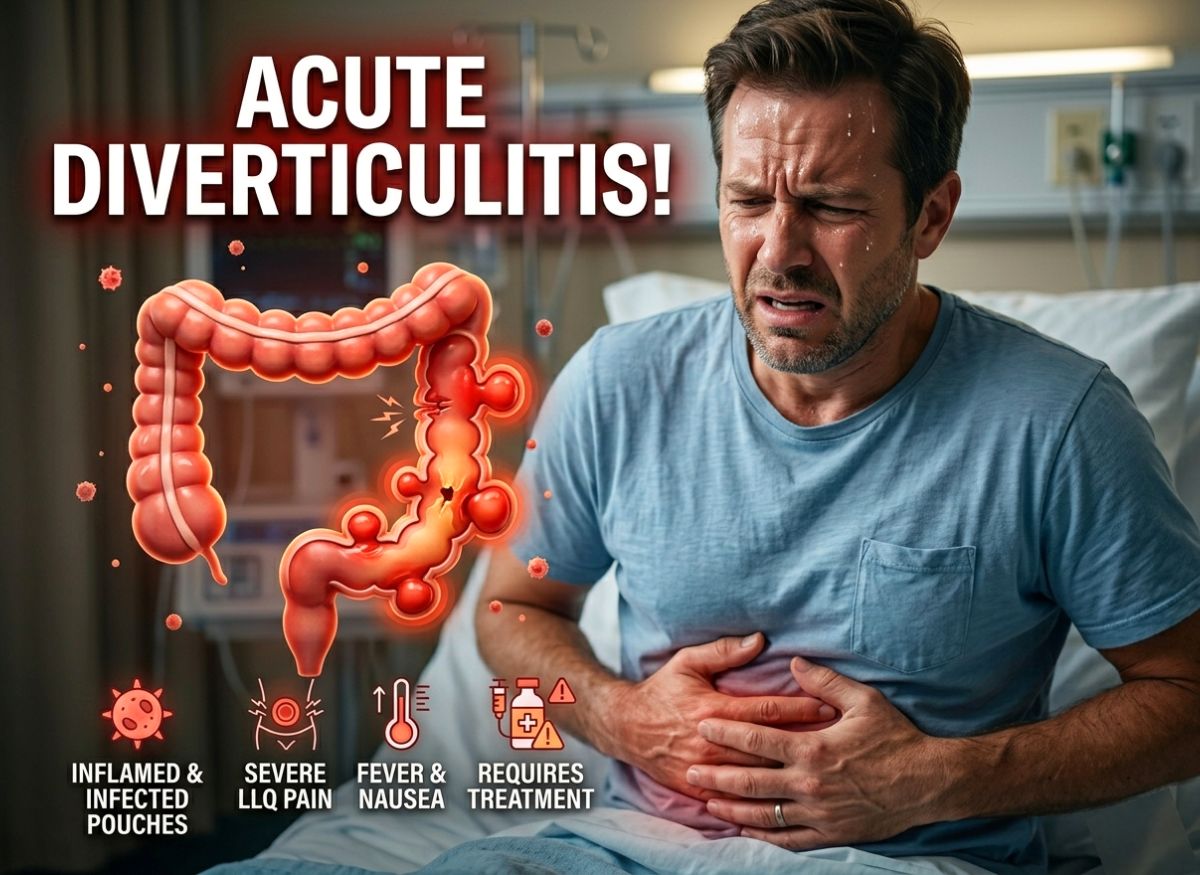
Acute diverticulitis is far more than a digestive inconvenience. It is a serious condition affecting millions of people worldwide, and in the United States alone an estimated 200,000-plus people are hospitalized every year because of its complications. It develops when small pouches (diverticula) in the colon wall become inflamed or infected, causing intense abdominal pain, fever, and other troubling symptoms. Without prompt medical care, it can lead to abscesses, perforations, and even life-threatening infections.
The tricky part is how fast symptoms can escalate. What feels like mild discomfort can turn into a medical emergency, so recognizing the signs early makes a real difference. This article covers the eight key symptoms that signal acute diverticulitis so you know when to get care. They range from persistent abdominal pain to fever and changes in bowel habits, and they are often the first sign that your body is fighting an infection.
You will also find a complete diet guide for recovery, focused on foods that support healing and calm inflammation, and on the foods to avoid because they aggravate the gut. Spotting symptoms early and adjusting your diet are both essential for preventing complications and protecting your long-term digestive health. With the right approach, diverticulitis can be managed well, and you can start feeling better sooner.
8 Symptoms of an Acute Diverticulitis Flare-Up
1. Lower-Left Abdominal Pain
This is the classic symptom of acute diverticulitis. The pain usually sits in the lower-left part of the abdomen, where the sigmoid colon, the most common site for diverticula, is located. It tends to be constant, builds over a day or two, and gets more intense. The area is often tender to the touch, and movement, coughing, or pressure can make it worse.
2. Fever and Chills
The infection triggers an immune response that raises body temperature. A low-grade fever is common and can climb as the infection progresses. Chills or shaking often come with it as the body tries to fight the infection. A fever is a strong sign that this is more than simple digestive upset.
3. Nausea and Vomiting
Inflammation in the colon disrupts normal digestion and can cause nausea. If the discomfort and the effects of the infection are severe enough, vomiting can follow. Vomiting also raises the risk of dehydration, so keeping up your fluid intake matters.
4. Changes in Bowel Habits
Swelling and inflammation in the colon wall can interfere with how stool moves through. Constipation is the most common change, since the inflamed section may spasm or narrow. Some people get diarrhea instead, because irritation can speed up movement in other parts of the colon.
5. Bloating and Gas
When the normal muscle movement of the gut is disrupted, gas and stool travel more slowly through the colon. Trapped gas then causes a feeling of fullness and pressure, along with visible bloating. It can be very uncomfortable, and you may pass a lot of gas or none at all. Digestion is also less efficient, and bacteria ferment the contents of the intestine, producing even more gas.
6. Constipation
This is the most commonly reported bowel change during a flare-up. Swelling and inflammation can narrow the inside channel (lumen) of the colon and make stool hard to pass. Pain can also lead you to hold back bowel movements, consciously or not, which makes things worse. Stools may become hard and dry.
7. Diarrhea
Less common than constipation, but it does happen. Inflammation can irritate the colon lining so that it releases extra mucus and water, giving you looser and more frequent stools. Some people alternate between constipation and diarrhea as the bowel struggles to work properly during inflammation.
What does Acute Diverticulitis Pain Typically Feel Like?
Diverticulitis pain is usually constant, sharp or cramping, and localized, and it doesn’t ease on its own. A general stomach upset tends to feel dull and spread out, but this pain can usually be pinpointed, most often to the lower left of the abdomen. Its character and how it develops are important clues that help doctors tell it apart from other abdominal conditions.
The pain follows a fairly typical pattern. It may start as a mild, nagging ache or tenderness, then intensify over one to three days into something more severe and persistent. It is usually not the kind of pain that comes and goes in waves. It stays constant, though its intensity may vary. Physical activity, pressure on the abdomen, and even deep breathing can make it worse.
- Sharp and Stabbing: Many people describe a sharp or stabbing pain, especially when moving or when the area is touched.
- Cramping and Gnawing: Others feel severe cramping or a deep, gnawing ache that changing position doesn’t relieve.
- Localized Tenderness: A hallmark sign. Pressing on the lower-left abdomen makes the pain noticeably worse, which points to localized inflammation of the abdominal lining.
The lower left is the classic location because of where the sigmoid colon sits, but pain can appear elsewhere. In people of Asian descent, for example, diverticula are more common on the right side of the colon, so the pain can be right-sided and mistaken for appendicitis. In some cases the pain also spreads to the back or groin.
Warning Signs of A Severe or Complicated Acute Diverticulitis Flare-up?
Many cases are mild and can be handled at home, but certain symptoms point to a serious complication: an abscess, a perforation (a tear in the colon), a fistula (an abnormal connection between the colon and another organ), or a bowel obstruction. Recognizing these red flags is critical to preventing life-threatening outcomes. The main warning signs are:
- Severe, Unrelenting Abdominal Pain and Rigidity: Pain that becomes widespread and excruciating, with a rigid, board-like abdomen, may signal peritonitis. This is inflammation of the abdominal lining caused by a perforated colon that lets bacteria and stool leak into the abdomen. It is a medical emergency that needs immediate surgery.
- High Fever and Worsening Systemic Symptoms: A persistent fever above 100.4°F (38°C) with chills, a rapid heart rate, and dizziness suggests a severe infection that may not be responding to oral antibiotics. It could mean a large abscess (a collection of pus) or sepsis, a body-wide infection that can be fatal.
- Inability to Keep Liquids Down (Persistent Vomiting): Some nausea is common, but vomiting that keeps you from staying hydrated is serious. It can cause severe dehydration and electrolyte imbalance, and it may indicate a bowel obstruction, where inflammation has blocked the colon completely.
- Noticeable Rectal Bleeding: Mild bleeding can occur in diverticular disease generally, but a sudden, significant amount of bright red or maroon blood during a painful flare-up is a warning sign. It could point to a more severe inflammatory process or to a blood vessel near a diverticulum that has eroded.
- No Improvement After 2–3 Days of Treatment: If you are following your treatment plan (clear liquids, antibiotics) and symptoms aren’t improving or are getting worse after 48 to 72 hours, contact your doctor. It may mean a complication that needs more aggressive treatment, such as hospitalization for IV antibiotics or abscess drainage.
Recommended Diet for an Acute Diverticulitis Flare-Up
The diet for a flare-up happens in phases. You begin with clear liquids to rest the colon, move to low-fiber foods as symptoms settle, and avoid high-fiber and irritating foods throughout. The idea is to keep colon activity and mechanical stress on the inflamed diverticula to a minimum so they can heal. Staying well hydrated is a cornerstone of the plan. It helps to look at each phase and its food guidelines separately.
Foods and Drinks During The Initial Phase
In the clear liquid phase you can have transparent liquids that leave almost no residue in the digestive tract: water, broth, pulp-free clear juices, gelatin, and ice pops. This phase usually lasts one to three days. Its purpose is to supply hydration and electrolytes while giving the colon complete rest.
Liquids that are easily absorbed and need little digestion sharply reduce bowel activity and inflammation. This stage is a short-term therapeutic tool, not long-term nutrition. Acceptable items include:
Hydrating Fluids:
- Plain water
- Ice chips or ice pops made from clear juices
- Plain, unsweetened tea or coffee (no milk, cream, or sweeteners)
- Clear, pulp-free fruit juices (apple, white grape, white cranberry)
- Clear sports or electrolyte drinks to replace lost minerals
Broths and Gelatins:
- Clear broths (chicken, beef, or vegetable, with all solids strained out)
- Bouillon or consommé
- Plain gelatin (no fruit pieces or whipped topping)
Avoid anything opaque or containing solids, pulp, or dairy. That rules out milk, cream-based soups, orange juice with pulp, tomato juice, and smoothies. The aim is to make the digestive system’s job as easy as possible. As your symptoms, especially the pain, begin to improve, your doctor will guide you to the next phase. This initial rest is a critical first step in calming inflammation and starting to heal.
Low-fiber Foods to Eat
As symptoms improve, you can move to a low-fiber diet of foods like white bread, white rice, cooked vegetables without skins or seeds, and tender proteins such as chicken and fish. This stage gives you more nutrition than clear liquids while still protecting the healing colon.
Low-fiber (low-residue) foods break down easily and leave very little undigested material behind. Move gradually, adding one or two items at a time and watching how you respond. Suitable foods include:
Grains and Starches:
- Refined white bread, bagels, and English muffins (avoid whole grain)
- Plain white rice
- Refined pasta or noodles
- Low-fiber cereals such as Cream of Wheat, puffed rice, or cornflakes
- Crackers or pretzels made with refined white flour
Fruits and Vegetables:
- Vegetables cooked until tender, with skins and seeds removed, such as peeled potatoes, carrots, green beans, and zucchini
- Canned or cooked fruits without skins or seeds, such as applesauce, canned peaches, or pears
- Fruit juices without pulp
Proteins:
- Tender, well-cooked skinless poultry (chicken or turkey)
- Fish (baked, broiled, or steamed)
- Eggs, especially scrambled or poached
- Tofu
Dairy (if tolerated):
- Milk, yogurt, and cheese in moderation if they don’t cause discomfort. Choose plain varieties without added fruit or nuts.
Stay on this diet until you are completely symptom-free, which your doctor will help you judge. It can last from a few days to a couple of weeks. Bringing solid food back carefully helps prevent a relapse and lets the colon recover its normal function.
Foods and Drinks to Avoid
During a flare-up and the early recovery period, avoid high-fiber foods, anything hard to digest, and anything that irritates the gut lining, including nuts, seeds, raw vegetables, red meat, and alcohol. These foods increase colon activity, make stool bulkier, and can physically irritate the inflamed diverticula, which may worsen pain, prolong the flare-up, or lead to complications.
The goal is to keep the bowel as calm and rested as possible. Strictly avoid:
High-Fiber Foods:
- Whole Grains: Whole wheat bread, brown rice, quinoa, oats, barley, and whole-grain cereals.
- Legumes: Beans, lentils, chickpeas, and peas. They are very high in fiber and should be avoided completely.
- Raw Vegetables: Salads, raw broccoli, cauliflower, cabbage, and other cruciferous vegetables are hard to digest.
- Fruits with Skins and Seeds: Fresh apples, pears with skin, berries, and oranges.
Foods with Indigestible Components:
- Nuts and Seeds: All nuts (almonds, walnuts, etc.) and seeds (sunflower, sesame, poppy), since they are hard to digest and may irritate the diverticula.
- Corn and Popcorn: Both are notoriously hard to digest fully and should be cut out during a flare-up.
Other Irritating or Hard-to-Digest Foods:
- Red and Processed Meats: Higher in fat and harder to break down than lean proteins like poultry and fish.
- Fried, Fatty, or Greasy Foods: They slow digestion and increase discomfort.
- Spicy Foods: Spices can irritate the digestive lining and worsen inflammation.
- Alcohol and Caffeinated Beverages: Alcohol irritates the gut and can interfere with antibiotics. Too much caffeine can also stimulate the bowel.
Treat these restrictions as non-negotiable during a flare-up. Cutting these foods gives your colon the best chance to heal without interruption.
How to Reintroduce Fiber Into Your Diet After Recovery
Once you have recovered, bring fiber back slowly, over several weeks, so your digestive system can adapt and symptoms don’t return. Adding too much too fast can overwhelm the colon, causing gas and bloating and possibly triggering another flare-up.
The goal is to build up gradually to the recommended 25–35 grams a day. Be patient and pay attention to your body’s signals. Here is how:
- Start Small: Add just 5 to 10 grams of fiber a day to your current low-fiber diet. Stay at that level for several days to see how you respond. If you feel well, add another small increment.
- Choose Soluble Fiber First: Soluble fiber dissolves in water into a gel and is generally gentler on the gut. Good starting sources are oats, peeled apples, carrots, and psyllium husk supplements.
- Introduce Foods One at a Time: Add one new item every two to three days instead of several at once. For example, swap white bread for a slice of whole wheat, or add a small serving of well-cooked broccoli. This helps you spot any foods that cause trouble.
- Increase Fluids: As fiber goes up, fluids must go up too. Fiber absorbs water in the colon to make soft, bulky stool. Without enough water, more fiber can cause constipation, which puts pressure on the colon and raises the risk of another flare-up. Aim for at least 8 glasses (64 ounces) of water daily.
- Listen to Your Body: Watch for bloating, gas, or cramping. If a new food or a higher fiber amount causes discomfort, back off for a few days and try again with a smaller portion.
The end goal is a long-term high-fiber diet, which is considered the most effective strategy for preventing future episodes.
How to Manage an Acute Diverticulitis Flare-Up at Home
For an uncomplicated case, home care means resting the bowel through diet and resting your body, using safe pain relief, finishing any prescribed antibiotics, and watching closely for symptoms that need immediate medical attention. This approach creates the best conditions for the inflamed colon to heal and for your body to fight the infection without hospitalization. It only works if you follow medical advice precisely and understand each part of the plan.
Getting Rest During a Flare-up
Adequate physical rest, including some time in bed, is strongly recommended during a flare-up. Rest lets your body put its energy into fighting the infection and repairing inflamed tissue, just as it does when you recover from any other infection or injury. It helps in these ways:
- Reduces Intra-abdominal Pressure: Strenuous activity, heavy lifting, and even long spells of sitting upright raise pressure in the abdomen, which stresses the inflamed colon and worsens pain. Lying down and resting lowers that pressure, which can bring real pain relief and support healing.
- Conserves Energy for Healing: Fighting an infection takes a lot of energy, and fever alone burns plenty. Resting keeps that energy available for your immune system, while pushing yourself can drain it and prolong the illness.
- Promotes Overall Recovery: Rest is a basic part of supportive care and works alongside diet changes and medication. Days of strict bed rest usually aren’t needed unless symptoms are severe, but you should cut your activity level significantly. Skip work if possible, along with exercise and household chores, until pain and fever subside. Gentle walking may be fine, but stop anything that causes discomfort.
Safe Over-the-counter pain Relief
The safest over-the-counter option during a flare-up is acetaminophen (Tylenol), because it doesn’t irritate the digestive tract or raise bleeding risk. Pain control is a key part of home care, but the choice of medication matters, since some common painkillers can worsen the condition and cause serious complications.
Safe option: Acetaminophen (Tylenol). It changes how the body senses pain and helps lower fever, so it works for both. Its main advantage here is that it has no anti-inflammatory effect that could damage the stomach and intestinal lining. It is the recommended first choice for pain during a flare-up. Follow the dosage instructions carefully, because too much can damage the liver.
Unsafe options to avoid: NSAIDs (nonsteroidal anti-inflammatory drugs).
- Ibuprofen (Advil, Motrin) and Naproxen (Aleve): Avoid these strictly. NSAIDs block enzymes that cause pain and inflammation, but they also reduce prostaglandins, the compounds that protect the digestive tract lining. That can raise the risk of gastrointestinal bleeding and perforation (a hole in the colon), which are already possible complications of severe diverticulitis.
- Aspirin: Like other NSAIDs, aspirin can irritate the gut lining and increase bleeding risk, so avoid it for pain relief during a flare-up. If you take low-dose aspirin for your heart, ask your doctor whether it is safe to continue.
In short, reach for acetaminophen. If the pain is too severe for it to help, treat that as a strong sign you need immediate medical attention, since it may mean a more serious or complicated case.
Using Probiotics
Interest in probiotics for the long-term management of diverticular disease is growing, but the evidence is still inconclusive. The logic is appealing: probiotics are live “good” bacteria that may help restore a healthy gut microbiome. An imbalanced microbiome (dysbiosis) is thought to add low-grade inflammation to the colon wall, which could make inflamed diverticula and acute flare-ups more likely.
By reintroducing helpful bacteria, probiotics could in theory strengthen the intestinal barrier, regulate the immune response, and reduce the inflammation that triggers flare-ups. Some studies suggest that certain strains, such as Lactobacillus casei, may ease bloating and abdominal pain in people with symptomatic uncomplicated diverticular disease.
Even so, more solid research is needed before probiotics can be recommended as a standard preventive treatment. Many studies are small and their results have been inconsistent.
- Potential Mechanism: Probiotics aim to rebalance gut flora, reduce chronic inflammation in the colon, and improve the strength of the gut lining, which could make diverticula less prone to infection and inflammation.
- Current State of Research: Early studies show possible symptom relief in uncomplicated cases, but large placebo-controlled trials are lacking. There isn’t yet enough high-quality evidence to confirm that probiotics prevent recurrent flare-ups.
- Official Guidelines: Major gastroenterology societies do not currently include probiotics in their guidelines for preventing recurrent diverticulitis. If you’d like to try them, talk to your healthcare provider about benefits, risks, and suitable strains and doses for your situation.
When to Seek Medical Help
See a doctor for a flare-up if the pain is severe and unrelenting, you have a high fever, you can’t keep liquids down, or your symptoms haven’t improved after two days of careful home care. Mild diverticulitis can often be managed at home under a doctor’s guidance, but some symptoms are red flags for a complication or a more severe infection that needs hospital care and IV treatment. Get immediate medical care or go to the emergency room in these situations:
- Severe or Worsening Pain: Excruciating pain, pain that spreads across the abdomen, or pain so intense you can’t get comfortable may signal a perforation or a large abscess.
- High or Persistent Fever: A fever above 100.4°F (38°C), or one that doesn’t come down with acetaminophen, suggests a significant infection that oral antibiotics alone may not control.
- Persistent Nausea and Vomiting: If you vomit repeatedly and can’t tolerate even clear liquids for more than 12–24 hours, you are at high risk of dehydration and electrolyte imbalance. You also can’t take oral antibiotics, so home treatment won’t work.
- Signs of Complications: Any rectal bleeding beyond a streak on toilet paper, a rigid or hard abdomen, dizziness, or fainting needs emergency evaluation.
- Lack of Improvement: If you have been on clear liquids and prescribed antibiotics but pain, fever, and tenderness haven’t started to improve within 48 to 72 hours, contact your doctor. The infection may be more severe than thought, or resistant to the antibiotic.
- Underlying Health Conditions: If your immune system is weakened (chemotherapy, immunosuppressants, HIV), you are pregnant, or you have other significant problems such as chronic kidney disease, get evaluated at the first sign of symptoms instead of trying home care first.
For an uncomplicated flare-up, the usual medical treatment is a course of oral antibiotics to clear the bacterial infection, together with strong advice to rest the bowel through the diet changes described above. Treatment aims to resolve the infection, ease symptoms, and stop the condition from becoming complicated. Typical treatments are:
- Oral Antibiotics: These are the cornerstone of treatment for infectious diverticulitis. The infection usually comes from bacteria that normally live in the colon, so doctors prescribe broad-spectrum antibiotics effective against gram-negative and anaerobic bacteria. A common combination is metronidazole (Flagyl) with a second antibiotic such as ciprofloxacin (Cipro) or trimethoprim-sulfamethoxazole (Bactrim). Another option is a single antibiotic like amoxicillin-clavulanate (Augmentin). A course typically lasts 7 to 10 days, and you should finish all of it even if you feel better, so the infection is fully cleared.
- Bowel Rest and Diet Progression: Your doctor will give specific guidance on the clear liquid and low-fiber diet. This is an active part of treatment, not just support.
- Symptom Management: Along with acetaminophen for pain, a doctor may recommend anti-nausea medication if vomiting is a problem.
Guidelines are evolving. For very mild, uncomplicated cases with no signs of systemic infection such as fever, some doctors may use watchful waiting with a clear liquid diet alone and skip antibiotics at first. Antibiotics remain the standard for most cases with clear signs of infection. Severe or complicated cases are treated in hospital with IV antibiotics, possible abscess drainage, and sometimes emergency surgery.
Long-Term Considerations After Acute Diverticulitis Flare-Up
After a flare-up, the long-term focus is on preventive lifestyle habits, on understanding the difference between the underlying condition and its acute inflammation, and on knowing what role advanced options such as probiotics or surgery might play. Managing the condition over time also means working with your healthcare provider to monitor symptoms and adjust your plan, which lowers the risk of future episodes and protects your digestive health.
Preventing future flare-ups mainly relies on long-term diet and lifestyle changes that support healthy bowel function and reduce pressure in the colon. After you recover and gradually bring fiber back, the cornerstone of prevention is a consistently high-fiber diet. Fiber softens stool and adds bulk so it moves through the colon easily, reducing the strain that can lead to diverticula forming and becoming inflamed.
Aim for 25 to 35 grams of fiber a day from fruits, vegetables, whole grains, beans, and legumes, and increase it slowly so your system can adapt with minimal gas and bloating. Several other habits work alongside a high-fiber diet:
- Adequate Fluid Intake: Fiber needs water to work. Without enough fluid, a high-fiber diet can worsen constipation and raise pressure in the colon. Drink at least eight glasses (about 2 liters) of water and other fluids daily to keep stool soft.
- Regular Physical Activity: Exercise such as brisk walking, jogging, or swimming stimulates normal bowel contractions. That helps prevent constipation and lowers pressure in the colon, reducing the risk of another flare-up. Aim for at least 30 minutes of moderate activity on most days.
- Maintain a Healthy Weight: Obesity is a significant risk factor for both diverticula and acute diverticulitis, because excess weight raises pressure in the abdomen and colon. A balanced diet and regular exercise can significantly lower your risk of recurrence.
When Surgery Needed for Recurrent Acute Diverticulitis?
Surgery is usually reserved for complicated, severe, or recurrent cases, and for situations where conservative treatment hasn’t worked. Its main purpose is to remove the diseased section of the colon, which prevents future flare-ups and life-threatening complications. The procedure is called a colectomy or bowel resection. It is a major step, and the decision depends on your overall health, how often and how severe your attacks are, and how much they affect your quality of life.
Most people who have a single uncomplicated episode never need surgery. For some, though, it becomes an important and occasionally life-saving option. A physician weighs the following situations to decide whether the benefits outweigh the risks:
- Complicated Diverticulitis: Surgery is often needed for severe acute complications. These include a perforation (a tear in the colon wall causing infection in the abdomen, called peritonitis), an abscess (a walled-off pocket of pus that can’t be drained with a needle), a fistula (an abnormal tunnel between the colon and another organ, such as the bladder or vagina), or a bowel obstruction (a blockage of the colon).
- Frequent and Severe Recurrent Episodes: For people with multiple flare-ups, elective surgery may be recommended. Repeated attacks can cause chronic pain, scarring of the colon, and a much lower quality of life. The decision usually considers the number and severity of attacks, plus the patient’s age and health.
- Failure to Respond to Medical Treatment: Sometimes a severe attack doesn’t improve with bowel rest, a liquid diet, and IV antibiotics. If infection and inflammation persist or worsen despite treatment, emergency surgery may be needed to control the infection.
FAQs
1. How serious is acute diverticulitis?
It can be quite serious if not treated promptly. Mild cases may be managed with antibiotics and diet changes. If left untreated, or if complications develop, it can cause abscesses, bowel perforations, and peritonitis, all life-threatening conditions that need emergency care. Prompt diagnosis and treatment are essential to avoid these outcomes.
2. What is the cause of acute diverticulitis?
It happens when the diverticula, the small pouches in the colon wall, become inflamed or infected. This is thought to occur when the pouches get blocked by food particles, stool, or bacteria. A low-fiber diet, chronic constipation, obesity, smoking, and age all raise the likelihood. These factors increase pressure inside the colon, which can lead to diverticula forming and eventually becoming infected.
3. How long does it take to recover from acute diverticulitis?
It depends on how severe the condition is and how early it is treated. Mild cases can take a few days to a week with antibiotics and diet changes. Severe cases, especially those with abscesses, perforations, or obstruction, may need hospitalization and take several weeks or longer. Surgery may be needed in extreme cases, which extends recovery further.
4. What is the best treatment for acute diverticulitis?
Treatment generally combines antibiotics for the infection, pain management, and rest for the digestive system. In mild cases, a clear liquid or low-fiber diet is often recommended first to reduce stress on the colon. As symptoms improve, a gradual return to a high-fiber diet helps prevent future flare-ups. If complications such as abscesses, perforations, or blockages occur, more aggressive treatment, including surgery, may be needed.
Conclusion
Acute diverticulitis is a serious condition that needs timely recognition and treatment to prevent complications. Knowing the key symptoms, such as persistent abdominal pain, fever, changes in bowel habits, and nausea, helps you get medical help quickly and may spare you outcomes like abscesses or colon perforation.
Diet plays an essential role in both recovery and preventing future flare-ups. A high-fiber diet and good hydration reduce strain on the colon and support long-term digestive health. By recognizing symptoms early and making the right food choices, you can manage acute diverticulitis effectively, promote healing, and protect your overall.
- Title mein “8 symptoms” hai lekin list mein sirf 7 unique symptoms thi (source mein number 3 missing tha). Maine numbering 1–7 kar di hai. Title/H2 same rakhe hain, isliye ya to ek symptom add kar dein (jaise loss of appetite) ya title ko 7 kar dein.
- Intro mein “four critical symptoms” likha tha, jo maine “eight” kar diya.
- Source mein constipation aur diarrhea “Changes in Bowel Habits” ke andar bhi thay aur alag bhi. Maine dono rakhe hain, kyunke list ka structure same rakhna tha.
Medical content (antibiotics ke naam, NSAIDs se parhez, probiotics) source ke mutabiq hi hai, isliye publish se pehle medical review behtar rahega.