
7 Proven Daily Habits for Managing Autoimmune Thyroid Disease at Home

Living with autoimmune thyroid disease can feel confusing and, at times, genuinely exhausting. Your energy might feel steady one day and then, seemingly out of nowhere, you’re dealing with fatigue, brain fog, or unexplained weight shifts that throw off your whole routine. If you’ve been looking for ways to feel more in control beyond just adjusting medication, you’re not alone.
Here’s the thing: managing autoimmune thyroid disease isn’t only about prescriptions or lab numbers. What you do day to day has a real impact on how your body responds, recovers, and stays balanced over time. Small, steady changes to your routine can support your immune system, ease inflammation, and help your thyroid function more naturally.
This guide walks through 7 proven daily habits for managing autoimmune thyroid disease at home, drawn from research and real-world experience. These habits are practical and realistic, built to fit into everyday life without adding more stress to it. If you’re ready to feel steadier, more energized, and more in control of your health, these strategies are a good place to start.
What Is Autoimmune Thyroid Disease and How Does It Affect the Body?
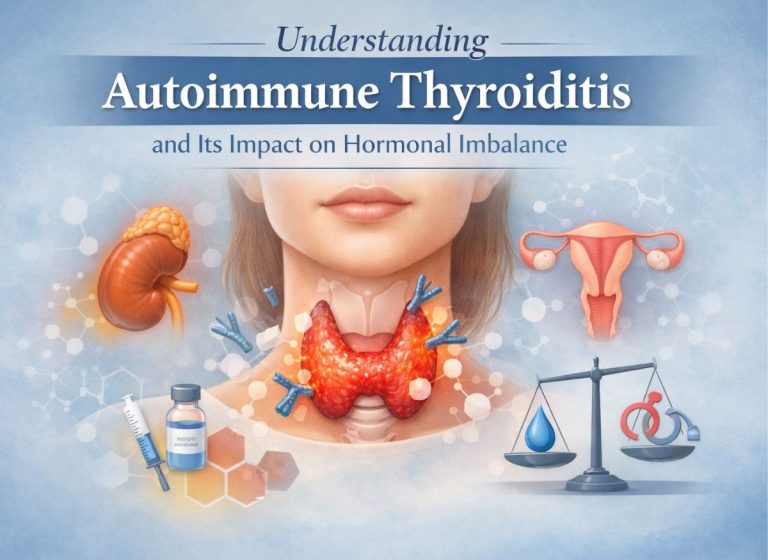
Autoimmune thyroid disease refers to a group of organ-specific autoimmune conditions in which the immune system mistakenly targets the thyroid gland, causing ongoing inflammation and disrupting hormone production. Rather than defending the body against outside threats, the immune system produces antibodies that attack the thyroid’s own structures, gradually undermining its ability to function.
The thyroid gland is central to regulating metabolism, largely through two hormones: thyroxine (T4) and triiodothyronine (T3). These hormones affect nearly every system in the body, energy levels, heart rate, body temperature, digestion, and brain function included. When autoimmune thyroid disease throws hormone levels out of balance, the ripple effects can be significant.
As thyroid hormone levels fluctuate, a wide range of symptoms can show up. These include ongoing fatigue that rest doesn’t fix, unexplained weight gain or loss, mood shifts like anxiety or depression, thinning hair, and the kind of cognitive fog often described as “brain fog.” Because these symptoms build gradually and touch multiple body systems, autoimmune thyroid disease often goes unnoticed or misdiagnosed early on.
At its root, autoimmune thyroid disease develops when the immune system loses its ability to tell “self” from “non-self.” In this state, the body starts treating normal thyroid proteins as threats. In Hashimoto’s thyroiditis, for instance, the immune system targets proteins like thyroid peroxidase (TPO) and thyroglobulin, gradually breaking down thyroid tissue over time. Graves’ disease works differently, the immune system produces antibodies that overstimulate the thyroid rather than destroying it.
This continuous immune activity creates chronic inflammation in the thyroid gland, which either reduces hormone output over time or causes it to surge. As a result, autoimmune thyroid disease can lead to either hypothyroidism (an underactive thyroid) or hyperthyroidism (an overactive one), each bringing its own set of symptoms and challenges.
Beyond the physical symptoms, autoimmune thyroid disease can take a real toll on emotional wellbeing and daily life. Fatigue can feel relentless, making even small tasks feel like a lot. Brain fog can make it hard to concentrate or remember things, affecting both work and personal life. Mood swings can strain relationships, and visible changes like weight fluctuations or hair loss can chip away at confidence.
Managing this condition takes more than correcting hormone levels alone. Medication is essential, but so is addressing the underlying immune imbalance and inflammation driving it. A well-rounded approach, one that includes lifestyle changes, stress management, good nutrition, and consistent daily habits, can meaningfully improve long-term outcomes and quality of life.
What Is the Difference Between Hashimoto’s and Graves’ Disease?
The core difference between Hashimoto’s thyroiditis and Graves’ disease comes down to how each condition affects thyroid hormone production. Both involve the immune system attacking the thyroid, but the mechanisms, and the outcomes, are essentially opposite.
Hashimoto’s Thyroiditis (Hypothyroidism)
Hashimoto’s thyroiditis is the most common form of autoimmune thyroid disease, marked by the gradual breakdown of thyroid tissue. In this condition, the immune system produces antibodies, thyroid peroxidase antibodies (TPOAb) and thyroglobulin antibodies (TgAb), that target key components involved in producing thyroid hormone.
This immune response causes ongoing inflammation and a buildup of immune cells within the thyroid gland. Over time, this sustained attack chips away at the gland’s ability to produce enough T4 and T3. As hormone output drops, metabolism slows, leading to hypothyroidism.
Common Hashimoto’s symptoms include persistent fatigue, sluggishness, unexplained weight gain, and increased sensitivity to cold. Many people also deal with depression, reduced mental clarity, and memory issues. Dry skin, constipation, muscle aches, and thinning hair are also common. Because this often develops slowly, symptoms can go unnoticed until thyroid function has already declined significantly.
Graves’ Disease (Hyperthyroidism)
Graves’ disease represents the opposite dynamic, here, the immune system overstimulates the thyroid rather than damaging it. The body produces an antibody called thyroid-stimulating immunoglobulin (TSI), which mimics thyroid-stimulating hormone (TSH).
TSI attaches to TSH receptors on the thyroid and continuously signals it to churn out more hormones. This overstimulation results in hyperthyroidism, marked by a sped-up metabolism.
Symptoms of Graves’ disease often include anxiety, irritability, and a persistent restlessness. People may lose weight unintentionally despite eating more, along with heat intolerance, excessive sweating, and a rapid or irregular heartbeat. One distinctive feature of Graves’ disease is Graves’ ophthalmopathy, where inflammation behind the eyes causes them to bulge, leading to discomfort and changes in vision.
Why Does Managing Inflammation Matter for Autoimmune Thyroid Disease?
Managing inflammation is one of the most important pieces of supporting thyroid health, particularly with autoimmune thyroid disease. Chronic, low-grade inflammation isn’t just a byproduct of these conditions, it’s actually a major driver of the immune dysfunction that damages or overstimulates the thyroid in conditions like Hashimoto’s and Graves’.
At its core, autoimmune thyroid disease develops in an environment shaped by immune imbalance and persistent inflammation. When the body stays in a prolonged inflammatory state, the immune system becomes overly reactive and struggles to accurately tell harmful invaders apart from healthy tissue. That’s when it starts mistakenly attacking the thyroid, either gradually breaking it down or pushing it into overdrive.
This creates a self-reinforcing cycle. The immune system’s attack on the thyroid drives more inflammation, and that inflammation, in turn, intensifies the autoimmune response further. Over time, this cycle can worsen symptoms, trigger more frequent flare-ups, and cause progressive damage to thyroid tissue. Without addressing this underlying inflammation, managing the condition becomes much harder.
A number of everyday factors can fuel this chronic inflammatory state. Diets high in processed foods, refined sugar, and industrial seed oils encourage the production of pro-inflammatory cytokines, signaling molecules that keep the immune system on high alert. Chronic psychological stress plays a big role too. Sustained high cortisol levels can throw off immune regulation, making inflammation harder to manage and increasing vulnerability to autoimmune flare-ups.
Gut health matters here as well. An imbalanced gut microbiome, often called gut dysbiosis, can weaken the integrity of the intestinal lining. This condition, sometimes referred to as increased intestinal permeability or “leaky gut,” lets partially digested food particles and toxins slip into the bloodstream. The immune system responds aggressively to this, triggering widespread inflammation that can worsen autoimmune thyroid disease.
Environmental exposures, things like toxins and endocrine-disrupting chemicals, add to immune activation and inflammatory stress too. Over time, the combined weight of these factors keeps the immune system under continuous strain, raising the odds of ongoing thyroid damage.
The encouraging part is that inflammation responds well to lifestyle changes. Adopting targeted, anti-inflammatory habits can help calm the immune system and reduce autoimmune activity. A nutrient-dense, whole-food diet rich in antioxidants helps regulate inflammatory pathways. Stress management practices, mindfulness, gentle movement, adequate rest, support hormonal balance and immune stability. And improving gut health through good nutrition and supportive habits can strengthen the body’s natural defenses and reduce immune triggers.
7 Daily Habits to Naturally Manage Autoimmune Thyroid Symptoms
Managing autoimmune thyroid disease naturally starts with consistent daily habits that reduce inflammation, support hormone balance, and calm the immune system. The seven most effective habits are: following an anti-inflammatory diet, managing stress, improving sleep quality, supporting gut health, reducing toxin exposure, engaging in gentle movement, and getting the right nutrients.
These habits work together to address root causes rather than just masking symptoms. Practiced consistently, they help lower inflammation, stabilize energy, reduce flare-ups, and support overall wellbeing.
Rather than relying on one single fix, this approach is about building a sustainable routine that supports your body every day.
What Foods Should You Eat and Avoid for an Anti-Inflammatory Diet?
Diet plays a major role in managing autoimmune thyroid disease, since what you eat directly affects inflammation and immune activity. An anti-inflammatory diet centers on whole, nutrient-dense foods while cutting out common triggers that tend to worsen symptoms.
A supportive diet should include plenty of vegetables, leafy greens, broccoli, and cauliflower especially, along with low-glycemic fruits like berries. Healthy fats, olive oil, avocados, nuts, and omega-3-rich fish like salmon, help reduce inflammation. High-quality protein from clean sources supports hormone production and tissue repair.
At the same time, it’s worth limiting or avoiding foods that commonly trigger inflammation. Gluten may cause immune confusion due to its structural similarity to thyroid tissue. Dairy can be a trigger for some people too. Processed foods, refined sugar, and industrial oils drive up inflammation and disrupt hormone balance. For some, a short-term elimination approach like the Autoimmune Protocol (AIP) can help pinpoint personal food sensitivities and reduce flare-ups.
How Can You Effectively Manage Daily Stress?
Managing stress is essential for controlling autoimmune thyroid disease, since chronic stress directly disrupts hormone balance and immune function. When stress stays elevated, the body produces excess cortisol, which can interfere with thyroid hormone production and worsen symptoms like fatigue and brain fog.
Simple daily habits can help calm the nervous system and offset this effect. Mindfulness or meditation, even just 10 to 15 minutes a day, can lower stress and improve emotional balance. Deep breathing exercises activate the body’s relaxation response and can be used anytime things feel overwhelming.
Time outdoors, even a short walk, can meaningfully reduce stress and improve overall wellbeing. Making room for activities you genuinely enjoy also helps shift your body out of constant “high alert” mode and supports long-term recovery. Managing stress consistently helps stabilize both your immune system and thyroid function, making the condition easier to manage over time.
What Constitutes Optimal Sleep Hygiene for Hormone Balance?
Good sleep hygiene is essential for managing autoimmune thyroid disease, since quality sleep directly regulates hormones, reduces inflammation, and supports immune balance. During deep sleep, the body repairs tissue, processes stress, and converts thyroid hormone T4 into its active form, T3. When sleep is poor or inconsistent, cortisol rises, circadian rhythms get thrown off, and thyroid function can decline.
To support hormone balance and ease symptoms, aim for a consistent, calming sleep routine. Going to bed and waking up at the same time each day helps regulate your internal clock. A dark, quiet, cool sleep environment encourages deeper, uninterrupted rest.
Limiting screen time before bed matters too, blue light can suppress melatonin and delay sleep. Instead, build a relaxing wind-down routine, reading, stretching, or a warm bath work well. These small, consistent habits signal to your body that it’s time to rest, letting your hormones and immune system properly reset.
How Do You Support and Heal Your Gut Microbiome?
Supporting gut health is a key piece of managing autoimmune thyroid disease, since the gut plays a major role in immune regulation and thyroid hormone activation. A healthy gut microbiome helps convert T4 into active T3 and helps prevent the immune overreaction that can worsen thyroid damage.
When the gut is out of balance, a condition called dysbiosis can develop, often leading to increased intestinal permeability, or “leaky gut.” This lets unwanted particles into the bloodstream, triggering inflammation and intensifying autoimmune activity. That’s why improving gut health is such an important piece of reducing symptoms and stabilizing autoimmune thyroid disease.
To support your gut microbiome, make a habit of eating probiotic-rich foods regularly, fermented vegetables, yogurt, kefir, or kombucha all work well. These introduce beneficial bacteria that help restore balance. Pair them with prebiotic foods like garlic, onions, asparagus, and bananas, which feed those good bacteria and support their growth.
Nutrients that support gut lining repair, like those found in bone broth or collagen-rich foods, can help too. Slowing down and eating mindfully also improves digestion and nutrient absorption, further supporting gut health. Strengthening your gut helps reduce inflammation, improve immune balance, and create a more stable foundation for managing autoimmune thyroid disease.
What Steps Can You Take to Reduce Your Daily Toxin Load?
Reducing daily toxin exposure is an important part of managing autoimmune thyroid disease, since many environmental chemicals can disrupt hormones and worsen immune imbalance. These substances, known as endocrine-disrupting chemicals (EDCs), interfere with thyroid function and can add to inflammation.
Common culprits include chlorine and fluoride in water, which can compete with iodine, something the thyroid needs to produce hormones. Others, like BPA, parabens, and phthalates found in plastics and personal care products, can mimic hormones and throw off the body’s natural balance. Over time, ongoing exposure adds stress to the immune system and can make autoimmune thyroid disease harder to manage.
To reduce this burden, start with your water quality. A reliable water filter, and a shower filter, can help remove common contaminants. Choosing organic produce where possible, especially for items known to carry higher pesticide residue, also cuts down on chemical exposure.
Switching to cleaner personal care and household products can make a real difference too. Many conventional products contain hidden toxins, so natural alternatives help lower overall exposure. Small swaps, like using glass or stainless steel instead of plastic for food storage, can further support hormone health.
Gradually reducing toxin exposure helps build a healthier internal environment, making it easier to manage inflammation and support your body through autoimmune thyroid disease.
What Type of Exercise Is Best for Autoimmune Conditions?
The best exercise for managing autoimmune thyroid disease is gentle, low-impact movement that supports the body without adding extra stress or inflammation. Staying active matters, but overly intense workouts can place added strain on the immune system and potentially worsen symptoms.
High-intensity exercise can raise cortisol and inflammatory activity, which may lead to fatigue, joint discomfort, or flare-ups. For people managing this condition, the goal is movement that supports recovery rather than depleting the body further.
Gentle activities like walking, yoga, swimming, or tai chi tend to work especially well. These forms of movement improve circulation, support metabolism, and help regulate stress without overwhelming the system. They also promote relaxation, which plays an important role in hormone balance.
A daily walk or a short yoga session can offer real, consistent benefits without adding strain. The most important thing is listening to your body. On lower-energy days, lighter movement or stretching is enough. On better days, slightly longer sessions can help. Choosing the right kind of exercise supports your energy, reduces inflammation, and makes managing autoimmune thyroid disease more sustainable over time.
Which Key Nutrients Support Thyroid Function?
Supporting thyroid function in autoimmune thyroid disease requires getting enough of certain key nutrients that help regulate hormone production, conversion, and immune balance. The most important ones are selenium, zinc, vitamin D, and magnesium, each playing an essential role in maintaining thyroid health.
A balanced, whole-food diet should always come first, but deficiencies in these nutrients are common among people with autoimmune thyroid disease and can worsen symptoms if left unaddressed.
Selenium is one of the most critical nutrients for thyroid health. It helps protect the thyroid from oxidative stress and supports converting inactive T4 into active T3. Brazil nuts, seafood, and mushrooms are all excellent sources and easy to work into your routine.
Zinc also plays a key role in thyroid hormone conversion and immune regulation. It helps the body produce TSH, which signals the thyroid to function properly. Good sources include oysters, red meat, pumpkin seeds, and nuts.
Vitamin D acts as a powerful immune regulator and is strongly linked to autoimmune thyroid disease. Low levels are common and may contribute to heightened immune activity. Sun exposure is the most effective source, while foods like fatty fish and egg yolks provide smaller amounts.
Magnesium supports hundreds of processes in the body, hormone production and nervous system balance included. It can also help ease symptoms like fatigue, muscle tension, and poor sleep. Leafy greens, nuts, seeds, and avocados are all good sources.
Focusing on these nutrients helps support thyroid function, reduce inflammation, and improve overall wellbeing. Aim to get them from whole foods first, and consider supplementation only when needed and guided by proper testing.
Can These Natural Habits Replace Conventional Medical Treatment?
No, natural habits can’t replace medical treatment for autoimmune thyroid disease. They work best as supportive strategies alongside medical therapy, which manages hormone levels directly.
Conditions like Hashimoto’s and Graves’ disease often require prescribed medication to stabilize thyroid hormones and prevent serious complications. Without proper treatment, autoimmune thyroid disease can lead to worsening symptoms, severe fatigue, heart issues, and metabolic imbalance among them.
Lifestyle habits, improving diet, reducing stress, supporting gut health, play a different but equally important role. They help reduce inflammation and calm the immune system, which can ease symptom intensity and improve day-to-day wellbeing.
The most effective approach combines both. Medical treatment corrects hormone levels, while daily habits support the underlying immune imbalance. Together, they create a more stable, sustainable way to manage the condition. Always work with a qualified healthcare provider before changing your treatment plan, and use these habits to support, not replace, professional care.
How Do You Start Implementing These Habits Without Feeling Overwhelmed?
Starting new routines when you’re managing autoimmune thyroid disease can feel like a lot, especially on top of fatigue or brain fog. The key is a gradual approach, focus on one small change at a time rather than overhauling everything at once.
Instead of chasing perfection, aim for consistency. Pick whichever habit feels easiest or most impactful and build from there. If poor sleep is your biggest struggle, for example, start there before tackling anything else.
A step-by-step approach makes this more manageable. Start with a consistent bedtime and less screen time before sleep. Once that feels natural, add a short daily walk or some gentle movement. From there, focus on one dietary change, cutting back on processed foods or removing a known trigger. Then bring in a simple stress management habit, a few minutes of deep breathing daily works well. Building habits slowly creates momentum without burnout, making the whole process feel a lot more doable over time.
How Long Does It Take to See Improvements from These Lifestyle Changes?
Improving autoimmune thyroid disease symptoms takes time, and results vary quite a bit from person to person. Some small changes might be noticeable within a few weeks, but real, lasting improvement usually takes several months of consistent effort.
In the first few weeks, you might notice better digestion, improved sleep, or slightly more stable energy. After a few months, many people start experiencing clearer thinking, fewer flare-ups, and a better overall mood. Longer-term changes, shifts in inflammation and thyroid markers, often take six months or more to show up.
Progress isn’t always a straight line, and that’s completely normal. There will be good days and harder ones. Healing from autoimmune thyroid disease is a gradual process built on consistency, not quick fixes. Tracking your symptoms, energy, and mood can help you notice progress along the way. Even small wins matter and can help keep you motivated to stick with your habits.
Other Important Factors and Advanced Concepts in Thyroid Health
Beyond daily habits, effectively managing autoimmune thyroid disease means understanding how different systems in the body interact and influence thyroid function. Thyroid health doesn’t exist in isolation, it’s closely tied to the immune system, gut health, hormones, and even environmental exposures.
One important piece is the gut-thyroid connection. A large share of thyroid hormone conversion actually happens in the gut, and imbalances in gut bacteria can raise inflammation and worsen autoimmune thyroid disease. That’s why long-term gut support often plays such a significant role in improving symptoms.
Another key factor is the hormonal network, particularly the relationship between the thyroid and adrenal glands. Chronic stress can disrupt this balance, affecting cortisol levels and interfering with thyroid hormone conversion. Over time, this can make symptoms like fatigue and brain fog stick around longer.
Advanced testing can offer deeper insight too. Standard thyroid tests don’t always reveal the full picture, especially with autoimmune thyroid disease. Looking at markers like thyroid antibodies, free T3, free T4, and inflammatory indicators can help identify issues basic testing might miss.
It also helps to understand that autoimmune thyroid disease often moves in cycles, with periods of flare-up and remission. Learning to recognize your own triggers, stress, poor sleep, diet changes, illness, can help reduce how often and how severely flare-ups occur.
Finally, personalization matters a lot here. No single approach works for everyone. Genetics, lifestyle, and environmental exposure all shape how autoimmune thyroid disease develops and responds to treatment. Adjusting your routine based on your own body’s signals is essential for lasting success.
Understanding these deeper connections moves you beyond basic symptom management and toward a more complete, sustainable approach to thyroid health.
Conclusion
Managing autoimmune thyroid disease doesn’t happen overnight, and it rarely comes down to one single change. It’s the result of consistent daily habits that gently support your body over time.
Focusing on small, sustainable actions, nourishing your body well, reducing stress, improving sleep, building a balanced routine, gives your thyroid and immune system the support they genuinely need. These habits might seem small on their own, but together they can make a real difference in how you feel day to day.
What matters most isn’t perfection, it’s consistency. Even one or two small changes can start shifting your energy, mood, and overall wellbeing in the right direction. If you’ve been feeling stuck or discouraged, let this be a reminder that progress is possible. With the right daily habits, managing autoimmune thyroid disease at home can feel a lot more achievable, natural, and far less overwhelming than it might seem right now.
Frequently Asked Questions About Autoimmune Thyroid Disease
Can autoimmune thyroid disease go into remission naturally? Yes, it can enter periods of remission where symptoms ease and antibody levels drop. It may not disappear completely, but consistent habits, reducing inflammation, managing stress, supporting gut health, can help calm the immune response and extend these remission periods.
Why do symptoms persist even when thyroid lab results look normal? Many people continue to experience fatigue, brain fog, or mood changes even with “normal” lab results. This often happens because standard tests focus on hormone levels but don’t fully capture immune activity, inflammation, or how well your body is using those hormones at the cellular level.
Is fasting safe for people with autoimmune thyroid disease? Fasting can affect hormone balance, so it’s worth approaching carefully. For some people, long or aggressive fasting may raise stress hormones and worsen symptoms. A gentler approach, balanced meals and stable blood sugar, tends to be more supportive.
Can autoimmune thyroid disease affect mental health? Yes, it can have a real impact on mental health. Hormonal imbalances and chronic inflammation can contribute to anxiety, depression, and difficulty concentrating. Supporting both thyroid function and emotional wellbeing is an important part of managing the condition.
Why do symptoms flare up suddenly even when habits stay consistent? Flare-ups can be triggered by hidden factors like infections, hormonal shifts, poor sleep, or increased stress. Even with stable daily habits, these internal or external triggers can temporarily ramp up immune activity and worsen symptoms.
Do weather or seasonal changes affect autoimmune thyroid disease symptoms? Seasonal shifts can play a role, especially through changes in sunlight exposure, vitamin D levels, and temperature. Some people notice more fatigue in colder months or mood changes during darker seasons, which can affect overall symptom severity.